
Top Stories
Fed Officials Divided as Miran Advocates for Aggressive Rate Cuts

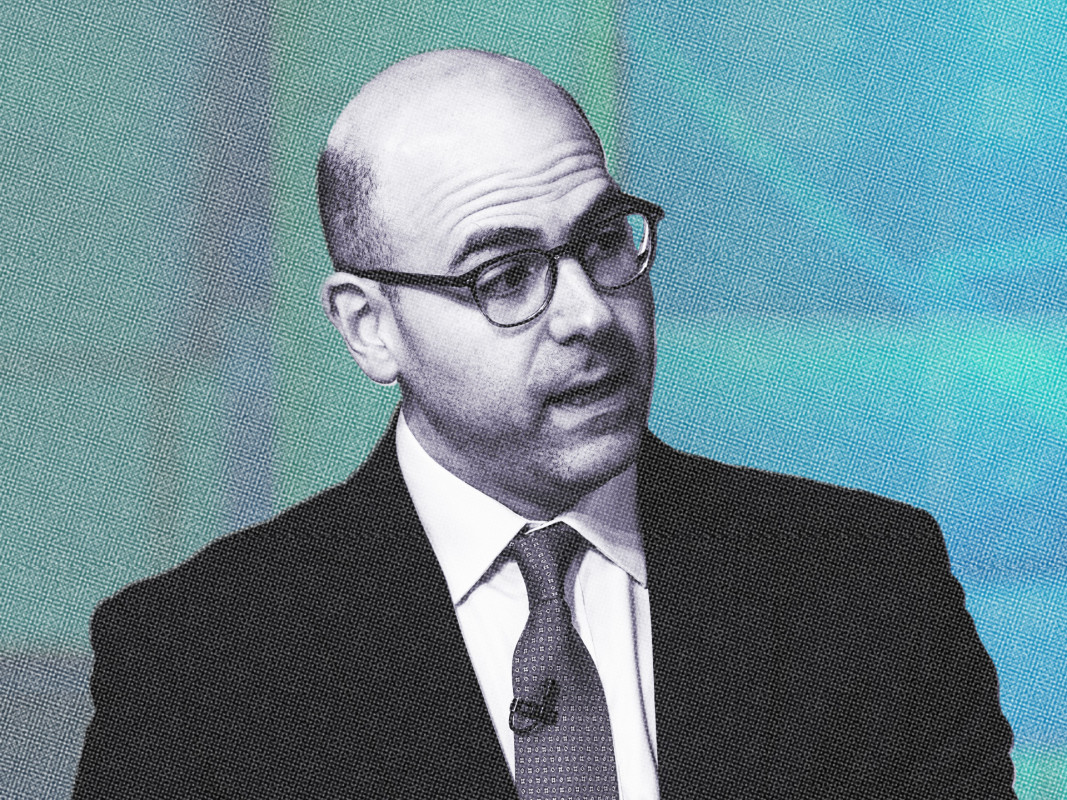
Federal Reserve officials are grappling with divergent views on interest rate adjustments as they enter 2026. Following three consecutive rate cuts last year, the debate over future reductions is intensifying. A faction, primarily composed of regional Federal Reserve bank presidents, advocates for a cautious approach, emphasizing the need for more data on inflation and employment before making further changes. In contrast, Fed Governor Stephen Miran argues for substantial cuts, proposing a reduction of at least 1.5 percentage points this year.
Miran’s advocacy for aggressive interest rate reductions comes amid a cooling labor market, which he believes necessitates immediate action. In a recent interview with Bloomberg Television on January 8, 2026, he stated, “I’m looking for about a point and a half of cuts. A lot of that is driven by my view of inflation.” He estimates that underlying inflation is currently around 2.3%, suggesting that the Federal Reserve has room to maneuver.
While the current Federal Funds Rate stands between 3.50% and 3.75%, the Federal Open Market Committee (FOMC) has already executed three rate cuts totaling 75 basis points in 2025. Fed Chair Jerome Powell indicated that these adjustments brought monetary policy within a “broad range of neutral,” but Miran contends that rates remain excessively high.
Miran’s Call for Action and Its Implications
Miran has been vocal about his desire for significant cuts since his appointment in September 2025. He suggests that reducing rates could alleviate unemployment, currently affecting approximately one million Americans. “There’s about a million Americans who don’t have jobs, who could have jobs without causing unwanted inflation,” Miran remarked. His assertions come against a backdrop of pressure from the White House, which has been critical of the Fed’s rate-setting decisions, calling for reductions to stimulate economic growth.
Economists define the neutral rate, or r-star (r*), as the interest rate that supports full employment while keeping inflation stable around the Fed’s target of 2%. Currently, many Fed officials estimate this neutral rate to be between 2.5% and 3%, adjusted for inflation. Miran’s proposal would push rates below these estimates, raising concerns about the potential impact on economic stability.
As the FOMC prepares for its upcoming meetings on January 27-28, 2026, market expectations lean towards a more dovish approach. Current projections suggest the possibility of only one additional quarter-point cut in 2026, contrary to Miran’s push for multiple reductions. The CME Group’s FedWatch Tool shows an 11.6% chance of a rate cut at the next meeting.
Diverse Perspectives Within the Fed
Several Federal Reserve officials, including Richmond Fed President Tom Barkin and Minneapolis Fed Chief Neel Kashkari, advocate for a more measured stance. Barkin stated that the current rates are “within the range of its estimates of neutral,” implying a cautious approach. Similarly, Kashkari expressed that the Fed is “pretty close to neutral right now,” suggesting that any adjustments should be made carefully based on economic indicators.
On the other hand, Philadelphia Fed President Anna Paulson, a voting member of the FOMC, indicated that “some modest further adjustments to the policy rate would likely be appropriate later in the year” if her economic expectations materialize. This indicates that while there is a call for caution, there is also openness to rate adjustments depending on economic developments.
As Miran’s term is set to expire on January 31, 2026, uncertainty looms regarding his future role within the Federal Reserve. Speculation surrounds whether President Trump will appoint a new candidate to lead the Fed, with the administration emphasizing loyalty to its monetary policy framework. The potential departure of Powell as chair later this year could further alter the dynamics within the central bank.
Miran’s insistence on aggressive rate cuts poses significant implications for the Fed’s independence and its approach to monetary policy amidst political pressures. With mixed signals from various officials, the path forward remains complex as the economy navigates through uncertain waters.

Cosmic Mystery Deepens: Where Are the Universe’s Defects?

Lady Bulldogs Shine in Postseason Awards Following Final Four Run

CALV Hosts Essential Class for Local Real Estate Professionals

Urgent Alert: “Spaving” Surges as Shoppers Overspend Online

Jefferies Initiates Coverage on Insmed with “Buy” Rating

Three Dog Night to Perform with Ambrosia at Mayo Civic Center

Urgent Announcement: Charles M. Payment Passes Away at 78

Houston Education Foundation Donates $4,592 for Student Programs

Beeks Financial Cloud Shares Drop 7% Amid Increased Trading Volume

Foreign Inflows into Japan Stocks Surge to ¥1.34 Trillion

University of Hawaiʻi Joins $25.6M AI Project to Monitor Disasters

Sydney Sweeney Embraces Body Positivity Amid Hollywood Challenges

Hudson Williams Gains Popularity as Breakout Star on Heated Rivalry

Urgent Farewell: Joleen Chaney Leaves Legacy at KFOR

Boeing’s Merger with McDonnell Douglas: A Strategic Move Explained

$1.25M Grant Advances Hawaiʻi’s Real-Time Hazard Monitoring

Derrick Dove and ABAC Band Set for Free Americana Concert

BOYNEXTDOOR’s Jaehyun Faces Backlash Amid BTS-TWICE Controversy
-
Business9 months ago
Foreign Inflows into Japan Stocks Surge to ¥1.34 Trillion
-
Science9 months ago
University of Hawaiʻi Joins $25.6M AI Project to Monitor Disasters
-
 Entertainment9 months ago
Sydney Sweeney Embraces Body Positivity Amid Hollywood Challenges
-
 Entertainment8 months ago
Hudson Williams Gains Popularity as Breakout Star on Heated Rivalry
-
 Top Stories9 months ago
Urgent Farewell: Joleen Chaney Leaves Legacy at KFOR
-
 World9 months ago
Boeing’s Merger with McDonnell Douglas: A Strategic Move Explained
-
 Science8 months ago
$1.25M Grant Advances Hawaiʻi’s Real-Time Hazard Monitoring
-
 Entertainment8 months ago
Derrick Dove and ABAC Band Set for Free Americana Concert
-
 Top Stories9 months ago
BOYNEXTDOOR’s Jaehyun Faces Backlash Amid BTS-TWICE Controversy
-

 Health6 months ago
Bodybuilder Eugene Teo Transitions to Mindful Movement for Health
-

 World7 months ago
San Francisco Airport to Host 16 Nonstop Airlines to Europe in 2026
-

 Top Stories7 months ago
National Coast Guard Museum Set to Open in 2027 After Funding Secured