
Science
Uncertainty Surrounds US Science Funding as 2026 Approaches

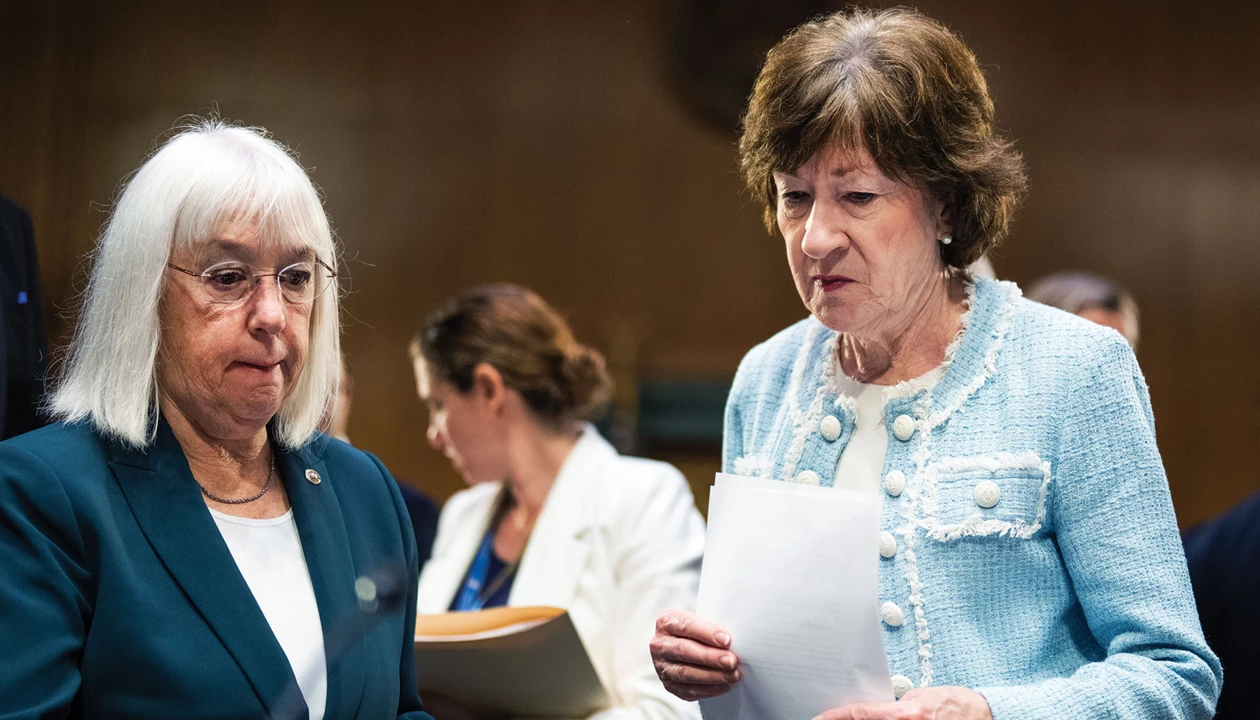
As the administration of Donald J. Trump and the 119th Congress enter their second year, the outlook for science funding in the United States remains uncertain for fiscal year 2026. Congress is under pressure to finalize appropriations bills, including crucial funding for federal science agencies like the National Science Foundation (NSF) and the National Institutes of Health (NIH). The deadline for these bills is January 30, 2026, but analysts express skepticism about whether this timeline can be met.
Alessandra Zimmermann, project director of research and development (R&D) policy at the American Association for the Advancement of Science, highlights the ongoing negotiations between the House and Senate regarding their funding proposals for the NSF. While both versions of the bill do not cut NSF funding by the 57% suggested in the president’s May budget request, stability in funding does not guarantee ease in securing federal grants.
The process for obtaining NIH funding is likely to become more challenging. In 2025, the NIH implemented a strategy of forward funding for many grants, providing researchers with a lump sum rather than distributing payments over time. Robert “Bob” Cook-Deegan, a professor at Arizona State University, notes that while this method could yield benefits in the future, it will likely result in fewer new projects being funded in the interim. The NIH’s congressional budget justification indicates that the administration plans to allocate 50% of appropriated funds to forward fund grants, potentially reducing the total number of grants awarded from approximately 10,000 to around 6,200, according to an analysis by Jeremy M. Berg, a former director of the US National Institute of General Medical Sciences.
Impact of Administration Priorities on Research Funding
The administration’s funding priorities focus on areas such as artificial intelligence, quantum science, and nuclear energy. As a result, fields that do not align with these priorities are likely to experience cuts in funding, according to Zimmermann. In December, both the NIH and the NSF announced changes to their grant review processes aimed at expediting the approval of research in these designated priority areas. This formalization of procedures addresses previous criticisms of arbitrary grant cuts made by the administration, as noted by Berg.
“The problem last year is they were making it up as they went along,” Berg said. “They’re correcting that so they can now do what they were doing but do it in a way that’s much more explicit and transparent and legally protected.”
Researchers in fields not favored by the current administration may increasingly seek funding from private sources. Cook-Deegan suggests that this shift toward privately funded research and development could become more pronounced as federal support wanes.
Ongoing Debates Over Indirect Costs in Grants
Another contentious issue involves indirect costs provided alongside research grants to cover administrative and infrastructure expenses. The administration has proposed capping these costs at 15% of the total grant amount, a plan that has faced legal challenges from federal judges. In response, the Association of American Universities is presenting an alternative model to Congress, as indicated by Tobin Smith, senior vice president for government relations and public policy at the association.
The US Office of Management and Budget is expected to release guidance on indirect costs by the end of January 2026. The outcome of these discussions and the overall funding landscape will significantly impact the future of scientific research in the United States, further underscoring the importance of government support in this field.
With the deadline approaching, the decisions made in the coming weeks will likely have lasting implications for researchers and institutions nationwide. The uncertainty surrounding fiscal year 2026 funding raises important questions about the future of scientific progress in the United States.

Cosmic Mystery Deepens: Where Are the Universe’s Defects?

Lady Bulldogs Shine in Postseason Awards Following Final Four Run

CALV Hosts Essential Class for Local Real Estate Professionals

Urgent Alert: “Spaving” Surges as Shoppers Overspend Online

Jefferies Initiates Coverage on Insmed with “Buy” Rating

Three Dog Night to Perform with Ambrosia at Mayo Civic Center

Urgent Announcement: Charles M. Payment Passes Away at 78

Houston Education Foundation Donates $4,592 for Student Programs

Beeks Financial Cloud Shares Drop 7% Amid Increased Trading Volume

Foreign Inflows into Japan Stocks Surge to ¥1.34 Trillion

University of Hawaiʻi Joins $25.6M AI Project to Monitor Disasters

Sydney Sweeney Embraces Body Positivity Amid Hollywood Challenges

Hudson Williams Gains Popularity as Breakout Star on Heated Rivalry

Urgent Farewell: Joleen Chaney Leaves Legacy at KFOR

Boeing’s Merger with McDonnell Douglas: A Strategic Move Explained

$1.25M Grant Advances Hawaiʻi’s Real-Time Hazard Monitoring

Derrick Dove and ABAC Band Set for Free Americana Concert

BOYNEXTDOOR’s Jaehyun Faces Backlash Amid BTS-TWICE Controversy
-
Business9 months ago
Foreign Inflows into Japan Stocks Surge to ¥1.34 Trillion
-
Science9 months ago
University of Hawaiʻi Joins $25.6M AI Project to Monitor Disasters
-
 Entertainment9 months ago
Sydney Sweeney Embraces Body Positivity Amid Hollywood Challenges
-
 Entertainment7 months ago
Hudson Williams Gains Popularity as Breakout Star on Heated Rivalry
-
 Top Stories8 months ago
Urgent Farewell: Joleen Chaney Leaves Legacy at KFOR
-
 World9 months ago
Boeing’s Merger with McDonnell Douglas: A Strategic Move Explained
-
 Science7 months ago
$1.25M Grant Advances Hawaiʻi’s Real-Time Hazard Monitoring
-
 Entertainment8 months ago
Derrick Dove and ABAC Band Set for Free Americana Concert
-
 Top Stories9 months ago
BOYNEXTDOOR’s Jaehyun Faces Backlash Amid BTS-TWICE Controversy
-

 Health6 months ago
Bodybuilder Eugene Teo Transitions to Mindful Movement for Health
-

 World6 months ago
San Francisco Airport to Host 16 Nonstop Airlines to Europe in 2026
-

 Top Stories7 months ago
National Coast Guard Museum Set to Open in 2027 After Funding Secured