
Science
UC San Diego Professors Pursue Telepathy Study with Epstein’s Funding

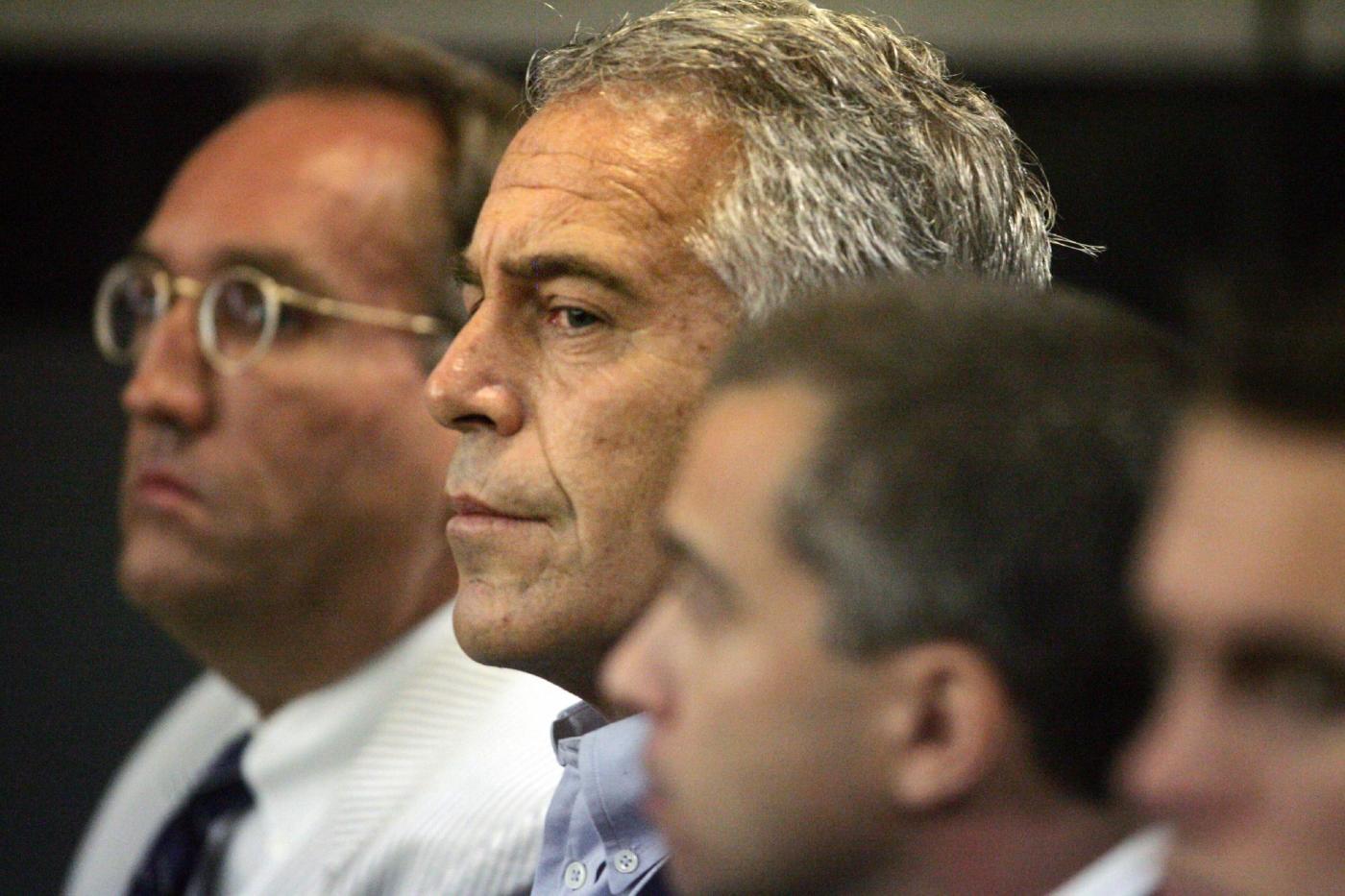
Professors at the University of California, San Diego (UCSD) sought funding for their research into telepathy, turning to the controversial figure of Jeffrey Epstein, who had a well-documented history as a convicted sex offender. In 2017, Epstein provided a $50,000 check to support a study led by V.S. Ramachandran, Paul Mills, and Deepak Chopra, focusing on autistic children believed to possess unique abilities, including telepathy.
The relationship between UCSD faculty and Epstein has come under scrutiny following the release of a significant cache of documents by the U.S. Department of Justice in January 2023. This collection included emails highlighting Epstein’s interactions with various UCSD professors, raising ethical questions about funding sources for academic research. Ramachandran, a prominent neuroscientist, had previously requested donations for UCSD’s Center for Brain and Cognition from Epstein as early as 2010.
In the 2017 project, Ramachandran and Mills collaborated with Chopra to explore claims that certain autistic children might exhibit telepathic skills. In an email to Chopra, Ramachandran expressed no qualms about Epstein’s funding, stating, “I don’t have a problem with my lab being funded by Epstein.” This correspondence, first reported by The Guardian, has sparked widespread concern about the ethical implications of accepting such support.
Chopra’s spokesperson, Aaron Marion, stated that the $50,000 check was ultimately returned, although he could not provide documentation of the refund. UCSD spokesperson Laura Margoni confirmed that the university does not endorse fundraising from convicted felons and reiterated that there is no record of a donation from Epstein or his foundation to the university. The university is currently reviewing the matter, but further details about the review’s scope and findings remain undisclosed.
The implications of Epstein’s involvement extend beyond UCSD, as emails have surfaced showing connections between Epstein and faculty members at prestigious institutions like Harvard, Yale, and Stanford. Some academics engaged in discussions with Epstein that included inappropriate topics related to sex and young women, raising alarms about the influence of private funding in academia.
Following the release of these documents, several prominent figures have faced professional repercussions. Larry Summers, a former Treasury Secretary, resigned from his position at Harvard due to his ties with Epstein. Duke University has also closed three centers overseen by Dan Ariely, a business professor with connections to Epstein.
While some researchers, like Craig Venter, were wary of Epstein’s intentions, others, including Mills, who was unaware of Epstein’s criminal background until contacted by a reporter, expressed their shock. Mills described the situation as “utterly disturbing,” reflecting a growing unease within the academic community regarding Epstein’s influence.
As the fallout from Epstein’s connections continues, the nature of the research funded raises questions about academic integrity. Mills, who has since retired, stated that the pilot study examining telepathy in autistic children yielded results that he found “remarkable.” He noted that the project involved testing children under controlled conditions, but skepticism remains among many in the scientific community.
Critics, including Ari Ne’eman, a professor of health policy at Harvard, caution against unverified claims of telepathy, emphasizing the importance of rigorous scientific standards. Ne’eman stated, “Needless to say, autistic people are not telepathic,” reinforcing the need for a critical approach to such controversial research.
The broader implications of Epstein’s funding practices have prompted discussions about the ethical considerations of accepting money from private donors, especially those with questionable backgrounds. Steve Brint, a professor studying fundraising in higher education, pointed out the lack of peer review typically associated with private funding compared to government sources like the National Institutes of Health.
The Science of Consciousness conference held in June 2017, which featured several UCSD faculty members, also received financial support from Epstein. The event highlighted the intersection of academic research and controversial funding sources, prompting ongoing discussions about the integrity of scholarly work.
As UCSD faces increased scrutiny over its past associations with Epstein, the university’s administration has yet to clarify how it will address these issues moving forward. The situation underscores the complexities of academic funding and the ethical responsibilities of institutions in navigating relationships with figures like Epstein.
In light of these developments, the future of research into telepathy and similar topics may be impacted by public perception and the ongoing discourse surrounding ethical funding practices. The revelations surrounding Epstein’s connections to academia serve as a cautionary tale about the potential consequences of accepting financial support from sources with dubious histories.

Cosmic Mystery Deepens: Where Are the Universe’s Defects?

Lady Bulldogs Shine in Postseason Awards Following Final Four Run

CALV Hosts Essential Class for Local Real Estate Professionals

Urgent Alert: “Spaving” Surges as Shoppers Overspend Online

Jefferies Initiates Coverage on Insmed with “Buy” Rating

Three Dog Night to Perform with Ambrosia at Mayo Civic Center

Urgent Announcement: Charles M. Payment Passes Away at 78

Houston Education Foundation Donates $4,592 for Student Programs

Beeks Financial Cloud Shares Drop 7% Amid Increased Trading Volume

Foreign Inflows into Japan Stocks Surge to ¥1.34 Trillion

University of Hawaiʻi Joins $25.6M AI Project to Monitor Disasters

Sydney Sweeney Embraces Body Positivity Amid Hollywood Challenges

Hudson Williams Gains Popularity as Breakout Star on Heated Rivalry

Urgent Farewell: Joleen Chaney Leaves Legacy at KFOR

Boeing’s Merger with McDonnell Douglas: A Strategic Move Explained

$1.25M Grant Advances Hawaiʻi’s Real-Time Hazard Monitoring

Derrick Dove and ABAC Band Set for Free Americana Concert

BOYNEXTDOOR’s Jaehyun Faces Backlash Amid BTS-TWICE Controversy
-
Business9 months ago
Foreign Inflows into Japan Stocks Surge to ¥1.34 Trillion
-
Science8 months ago
University of Hawaiʻi Joins $25.6M AI Project to Monitor Disasters
-
 Entertainment9 months ago
Sydney Sweeney Embraces Body Positivity Amid Hollywood Challenges
-
 Entertainment7 months ago
Hudson Williams Gains Popularity as Breakout Star on Heated Rivalry
-
 Top Stories8 months ago
Urgent Farewell: Joleen Chaney Leaves Legacy at KFOR
-
 World9 months ago
Boeing’s Merger with McDonnell Douglas: A Strategic Move Explained
-
 Science7 months ago
$1.25M Grant Advances Hawaiʻi’s Real-Time Hazard Monitoring
-
 Entertainment8 months ago
Derrick Dove and ABAC Band Set for Free Americana Concert
-
 Top Stories9 months ago
BOYNEXTDOOR’s Jaehyun Faces Backlash Amid BTS-TWICE Controversy
-

 Health6 months ago
Bodybuilder Eugene Teo Transitions to Mindful Movement for Health
-

 World6 months ago
San Francisco Airport to Host 16 Nonstop Airlines to Europe in 2026
-

 Top Stories7 months ago
National Coast Guard Museum Set to Open in 2027 After Funding Secured