
Science
Texas Voters Face $3 Billion Proposition for Dementia Research

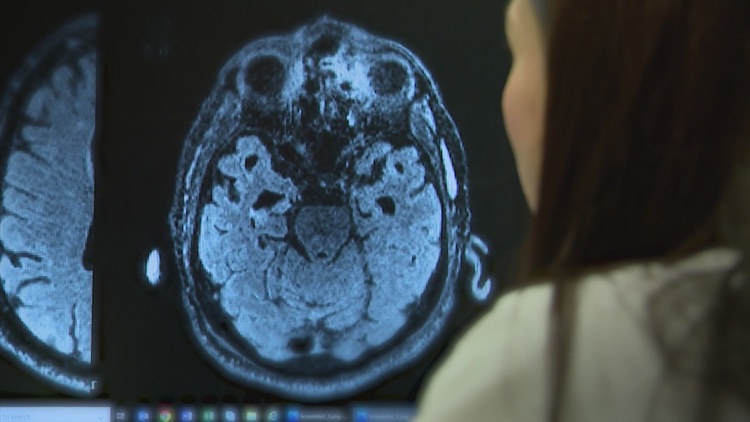
A significant decision awaits Texas voters on November 5, 2024, as Proposition 14 seeks approval for a transformative investment of $3 billion aimed at enhancing dementia and Alzheimer’s research. If passed, this funding could lead to groundbreaking advancements in understanding and treating these conditions, reshaping the future of healthcare in the state.
The proposition has emerged from a growing recognition of the urgent need to address dementia, which affects millions of individuals and their families. Current estimates suggest that over 450,000 Texans are living with Alzheimer’s disease, a number that is expected to rise sharply in the coming years. The proposed funding aims to not only support ongoing research in Texas but also attract global talent and investment in the state’s healthcare sector.
Investment Aims to Revolutionize Research
One of the central goals of Proposition 14 is to establish a comprehensive funding structure that can facilitate innovative research projects focused on dementia and Alzheimer’s. This initiative represents a potential shift in how Texas approaches these complex health issues. By investing heavily in research, proponents argue that Texas can become a leader in identifying new treatments and care strategies.
The funds would be allocated to various Texas universities and research institutions, promoting collaboration among scientists, clinicians, and policymakers. This collaborative environment is expected to yield significant scientific breakthroughs, enhancing the quality of life for patients and their families.
Moreover, the proposition includes provisions for public engagement, ensuring that the voices of those affected by dementia are heard in shaping research priorities. Advocacy groups have indicated that this focus on community involvement is crucial for developing effective solutions that truly address the challenges faced by patients and caregivers.
Broad Support and Future Implications
Support for Proposition 14 has grown among various stakeholders, including healthcare professionals, researchers, and advocacy organizations. Many see it as a pivotal moment for dementia research in Texas, with the potential to significantly impact both local economies and public health.
If passed, the expected economic benefits could be substantial. The influx of research funding could lead to job creation in various sectors, ranging from healthcare to biotechnology. Furthermore, advancements in dementia research could reduce long-term healthcare costs associated with caring for patients, ultimately benefiting taxpayers and the state’s economy.
Critics of the proposition have raised concerns about the management of such a large investment and the accountability measures in place to ensure funds are used effectively. Addressing these concerns will be vital for building public trust in the initiative.
As Texas prepares for this crucial vote, the implications of Proposition 14 extend beyond state lines. The outcome may influence similar initiatives across the United States and potentially impact global dementia research efforts. The decision to invest in this area of health could set a precedent for how other states and countries prioritize research funding for critical health challenges.
In conclusion, Texas voters face a momentous choice that could redefine the landscape of dementia research. With $3 billion on the line, the passage of Proposition 14 could usher in a new era of hope for those affected by Alzheimer’s and dementia, marking a significant commitment to addressing one of the most pressing health issues of our time.

Cosmic Mystery Deepens: Where Are the Universe’s Defects?

Lady Bulldogs Shine in Postseason Awards Following Final Four Run

CALV Hosts Essential Class for Local Real Estate Professionals

Urgent Alert: “Spaving” Surges as Shoppers Overspend Online

Jefferies Initiates Coverage on Insmed with “Buy” Rating

Three Dog Night to Perform with Ambrosia at Mayo Civic Center

Urgent Announcement: Charles M. Payment Passes Away at 78

Houston Education Foundation Donates $4,592 for Student Programs

Beeks Financial Cloud Shares Drop 7% Amid Increased Trading Volume

Foreign Inflows into Japan Stocks Surge to ¥1.34 Trillion

University of Hawaiʻi Joins $25.6M AI Project to Monitor Disasters

Sydney Sweeney Embraces Body Positivity Amid Hollywood Challenges

Hudson Williams Gains Popularity as Breakout Star on Heated Rivalry

Urgent Farewell: Joleen Chaney Leaves Legacy at KFOR

Boeing’s Merger with McDonnell Douglas: A Strategic Move Explained

$1.25M Grant Advances Hawaiʻi’s Real-Time Hazard Monitoring

Derrick Dove and ABAC Band Set for Free Americana Concert

BOYNEXTDOOR’s Jaehyun Faces Backlash Amid BTS-TWICE Controversy
-
Business9 months ago
Foreign Inflows into Japan Stocks Surge to ¥1.34 Trillion
-
Science9 months ago
University of Hawaiʻi Joins $25.6M AI Project to Monitor Disasters
-
 Entertainment9 months ago
Sydney Sweeney Embraces Body Positivity Amid Hollywood Challenges
-
 Entertainment7 months ago
Hudson Williams Gains Popularity as Breakout Star on Heated Rivalry
-
 Top Stories8 months ago
Urgent Farewell: Joleen Chaney Leaves Legacy at KFOR
-
 World9 months ago
Boeing’s Merger with McDonnell Douglas: A Strategic Move Explained
-
 Science7 months ago
$1.25M Grant Advances Hawaiʻi’s Real-Time Hazard Monitoring
-
 Entertainment8 months ago
Derrick Dove and ABAC Band Set for Free Americana Concert
-
 Top Stories9 months ago
BOYNEXTDOOR’s Jaehyun Faces Backlash Amid BTS-TWICE Controversy
-

 Health6 months ago
Bodybuilder Eugene Teo Transitions to Mindful Movement for Health
-

 World6 months ago
San Francisco Airport to Host 16 Nonstop Airlines to Europe in 2026
-

 Top Stories7 months ago
National Coast Guard Museum Set to Open in 2027 After Funding Secured