
Science
Scientists Transform Human Brain Cells into Functional Biocomputers

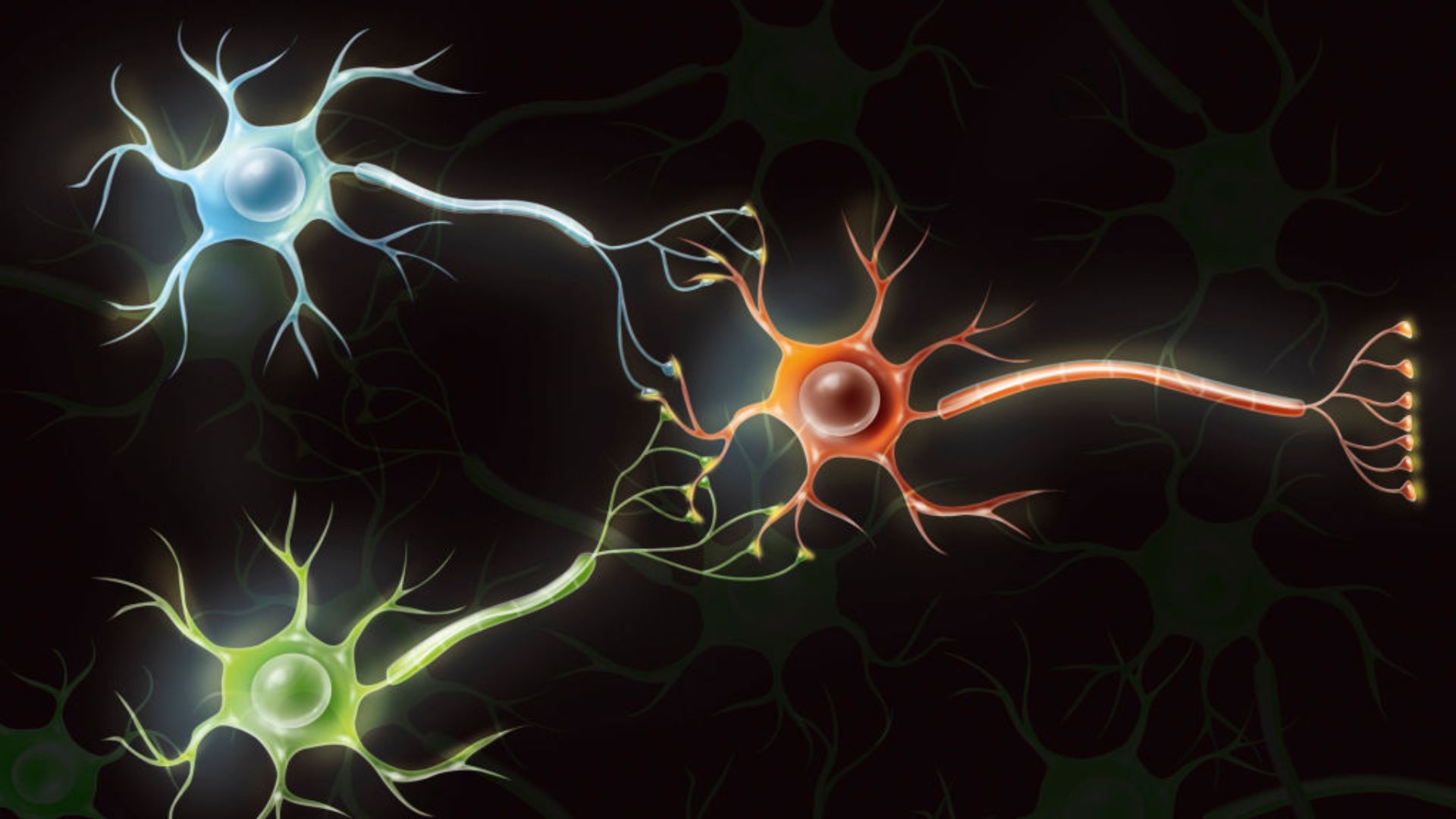
Researchers at the University of California, San Diego, have made significant strides in the field of biotechnology by successfully converting human brain cells into functional biocomputers. This innovative approach utilizes biologically derived materials, such as DNA, proteins, and lab-grown neurons, to perform computational tasks typically associated with traditional silicon-based computers.
The development marks a pioneering achievement in harnessing the capabilities of living cells for computational purposes. By integrating biological systems with computer technology, scientists aim to create devices that could potentially revolutionize data processing and storage. This could lead to advancements in various fields, including medicine, environmental science, and artificial intelligence.
How Biocomputers Work
A biocomputer operates fundamentally differently from conventional computers. Traditional computers rely on binary code and silicon-based circuitry, while biocomputers leverage the natural properties of biological materials. The researchers demonstrated that lab-grown neurons can process information by mimicking neural networks found in the human brain.
This approach not only enhances computational efficiency but also allows for more complex problem-solving capabilities. By using living cells, researchers can create systems that adapt and learn over time, similar to how biological brains function. This adaptability could open new avenues for creating smarter and more efficient technologies.
Potential Applications and Future Directions
The implications of this research extend beyond theoretical applications. Scientists envision using biocomputers in a range of sectors, from healthcare, where they could assist in real-time diagnostics and treatment personalization, to environmental monitoring, where they could help detect pollutants or changes in ecosystems.
According to the findings published in the journal Nature in March 2024, biocomputers might also enhance artificial intelligence systems by providing a biological component that complements traditional computational methods. This integration could result in machines that are not only faster but also more efficient at processing complex, multi-dimensional data.
The research team continues to explore the scalability of these biocomputers. They aim to refine the technology to ensure it can be effectively integrated into existing systems. As they progress, the hope is that these innovations will lead to practical applications that could transform industries and improve quality of life.
This groundbreaking work underscores the potential of biotechnology to reshape our understanding of computation. As scientists continue to investigate the capabilities of living cells, the future of biocomputers appears promising, potentially blurring the lines between biology and technology.

Cosmic Mystery Deepens: Where Are the Universe’s Defects?

Lady Bulldogs Shine in Postseason Awards Following Final Four Run

CALV Hosts Essential Class for Local Real Estate Professionals

Urgent Alert: “Spaving” Surges as Shoppers Overspend Online

Jefferies Initiates Coverage on Insmed with “Buy” Rating

Three Dog Night to Perform with Ambrosia at Mayo Civic Center

Urgent Announcement: Charles M. Payment Passes Away at 78

Houston Education Foundation Donates $4,592 for Student Programs

Beeks Financial Cloud Shares Drop 7% Amid Increased Trading Volume

Foreign Inflows into Japan Stocks Surge to ¥1.34 Trillion

University of Hawaiʻi Joins $25.6M AI Project to Monitor Disasters

Sydney Sweeney Embraces Body Positivity Amid Hollywood Challenges

Hudson Williams Gains Popularity as Breakout Star on Heated Rivalry

Urgent Farewell: Joleen Chaney Leaves Legacy at KFOR

Boeing’s Merger with McDonnell Douglas: A Strategic Move Explained

$1.25M Grant Advances Hawaiʻi’s Real-Time Hazard Monitoring

Derrick Dove and ABAC Band Set for Free Americana Concert

BOYNEXTDOOR’s Jaehyun Faces Backlash Amid BTS-TWICE Controversy
-
Business9 months ago
Foreign Inflows into Japan Stocks Surge to ¥1.34 Trillion
-
Science8 months ago
University of Hawaiʻi Joins $25.6M AI Project to Monitor Disasters
-
 Entertainment9 months ago
Sydney Sweeney Embraces Body Positivity Amid Hollywood Challenges
-
 Entertainment7 months ago
Hudson Williams Gains Popularity as Breakout Star on Heated Rivalry
-
 Top Stories8 months ago
Urgent Farewell: Joleen Chaney Leaves Legacy at KFOR
-
 World9 months ago
Boeing’s Merger with McDonnell Douglas: A Strategic Move Explained
-
 Science7 months ago
$1.25M Grant Advances Hawaiʻi’s Real-Time Hazard Monitoring
-
 Entertainment8 months ago
Derrick Dove and ABAC Band Set for Free Americana Concert
-
 Top Stories9 months ago
BOYNEXTDOOR’s Jaehyun Faces Backlash Amid BTS-TWICE Controversy
-

 Health6 months ago
Bodybuilder Eugene Teo Transitions to Mindful Movement for Health
-

 World6 months ago
San Francisco Airport to Host 16 Nonstop Airlines to Europe in 2026
-

 Top Stories7 months ago
National Coast Guard Museum Set to Open in 2027 After Funding Secured