
Science
Salmon Return to Klamath River After Dam Removal in Oregon

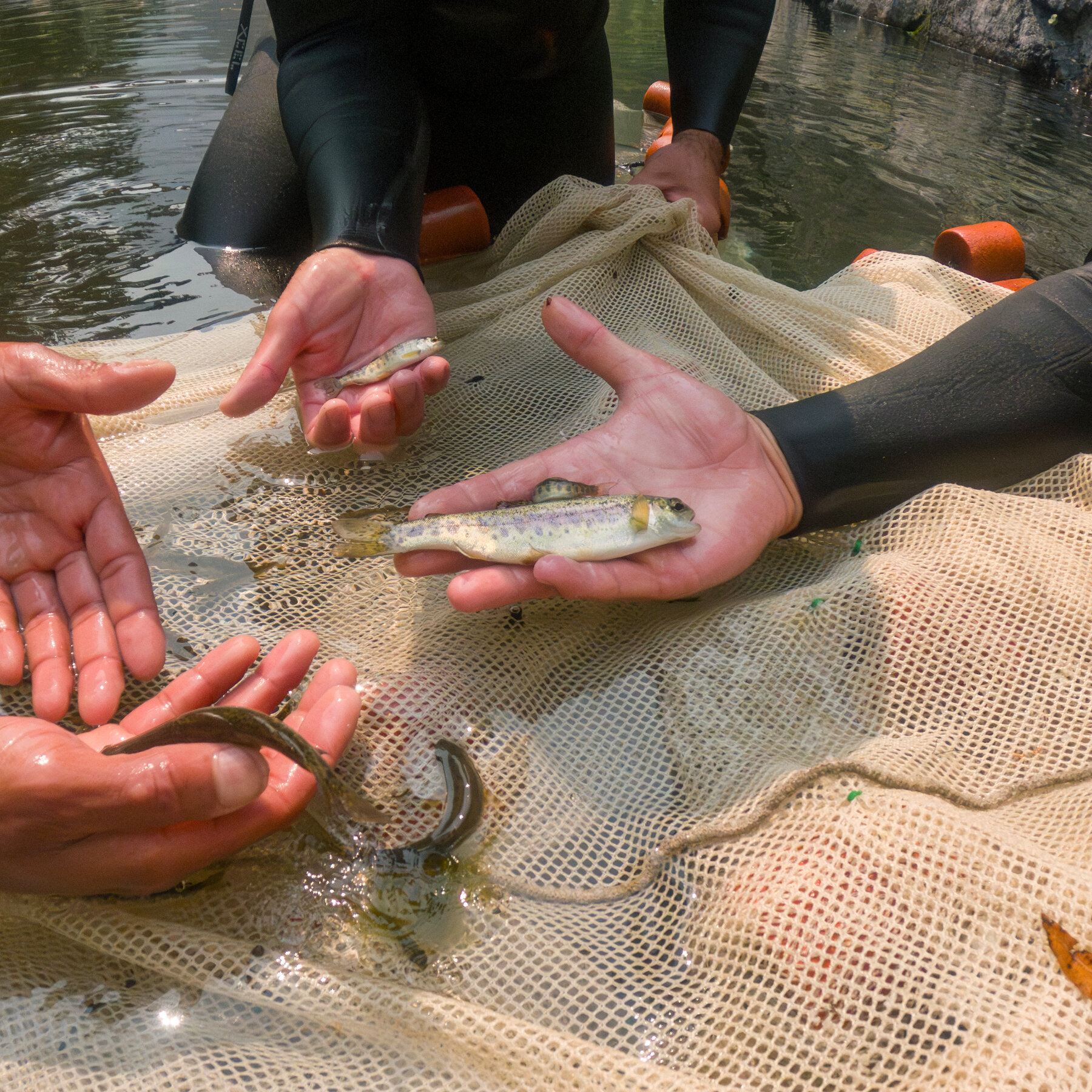
The headwaters of the Klamath River in Oregon are witnessing a significant ecological revival, marked by the return of salmon after more than a century of absence. Following the removal of a final dam in 2022, the river’s ecosystem is reestablishing itself, leading to the reappearance of these vital fish species within just one year.
The Klamath River has long been a vital habitat for various salmon species. Over the past century, dam constructions severely impacted the river’s health and the fish populations that depended on it. The removal of the last of the four dams, which was completed in 2022, set the stage for a transformative restoration process, allowing for the natural flow of water and the revitalization of spawning habitats.
This remarkable turnaround was spearheaded by the Klamath River Renewal Corporation in collaboration with the U.S. Bureau of Reclamation and local stakeholders. Their efforts aimed not only to restore fish populations but also to improve water quality for surrounding communities. The successful return of salmon has sparked optimism among environmentalists, local fishermen, and indigenous communities who have advocated for the river’s health for decades.
The significance of this event extends beyond the immediate ecological benefits. Salmon are not only crucial for biodiversity; they also play an essential role in the local economy. The fish support commercial and recreational fishing, which are vital to livelihoods in the region. As salmon populations begin to stabilize, there is hope that this will lead to a more sustainable fishing industry.
According to the Klamath River Renewal Corporation, the return of salmon signifies a successful milestone in ongoing restoration efforts. The organization noted that the salmon’s return is a positive indicator of the health of the entire river ecosystem. Restoration initiatives are expected to continue, with monitoring of fish populations and water quality remaining a priority.
The Klamath River’s revival is a testament to the power of environmental restoration. The collaboration between governmental agencies, non-profits, and local communities showcases how concerted efforts can lead to tangible improvements in nature. As salmon once again swim upstream, they symbolize resilience and the potential for recovery in ecosystems previously disrupted by human activity.
The local community is encouraged by these developments, as they reflect a renewed commitment to preserving the river. Residents have expressed hope that the presence of salmon will foster increased interest in conservation efforts and environmental education, ultimately benefiting future generations.
In summary, the return of salmon to the Klamath River marks a significant achievement in ecological restoration. This success story serves as an example of how targeted actions can lead to the recovery of vital species and the revitalization of ecosystems, benefiting both nature and local communities alike.

Cosmic Mystery Deepens: Where Are the Universe’s Defects?

Lady Bulldogs Shine in Postseason Awards Following Final Four Run

CALV Hosts Essential Class for Local Real Estate Professionals

Urgent Alert: “Spaving” Surges as Shoppers Overspend Online

Jefferies Initiates Coverage on Insmed with “Buy” Rating

Three Dog Night to Perform with Ambrosia at Mayo Civic Center

Urgent Announcement: Charles M. Payment Passes Away at 78

Houston Education Foundation Donates $4,592 for Student Programs

Beeks Financial Cloud Shares Drop 7% Amid Increased Trading Volume

Foreign Inflows into Japan Stocks Surge to ¥1.34 Trillion

University of Hawaiʻi Joins $25.6M AI Project to Monitor Disasters

Sydney Sweeney Embraces Body Positivity Amid Hollywood Challenges

Hudson Williams Gains Popularity as Breakout Star on Heated Rivalry

Urgent Farewell: Joleen Chaney Leaves Legacy at KFOR

Boeing’s Merger with McDonnell Douglas: A Strategic Move Explained

$1.25M Grant Advances Hawaiʻi’s Real-Time Hazard Monitoring

Derrick Dove and ABAC Band Set for Free Americana Concert

BOYNEXTDOOR’s Jaehyun Faces Backlash Amid BTS-TWICE Controversy
-
Business9 months ago
Foreign Inflows into Japan Stocks Surge to ¥1.34 Trillion
-
Science9 months ago
University of Hawaiʻi Joins $25.6M AI Project to Monitor Disasters
-
 Entertainment9 months ago
Sydney Sweeney Embraces Body Positivity Amid Hollywood Challenges
-
 Entertainment7 months ago
Hudson Williams Gains Popularity as Breakout Star on Heated Rivalry
-
 Top Stories8 months ago
Urgent Farewell: Joleen Chaney Leaves Legacy at KFOR
-
 World9 months ago
Boeing’s Merger with McDonnell Douglas: A Strategic Move Explained
-
 Science7 months ago
$1.25M Grant Advances Hawaiʻi’s Real-Time Hazard Monitoring
-
 Entertainment8 months ago
Derrick Dove and ABAC Band Set for Free Americana Concert
-
 Top Stories9 months ago
BOYNEXTDOOR’s Jaehyun Faces Backlash Amid BTS-TWICE Controversy
-

 Health6 months ago
Bodybuilder Eugene Teo Transitions to Mindful Movement for Health
-

 World6 months ago
San Francisco Airport to Host 16 Nonstop Airlines to Europe in 2026
-

 Top Stories7 months ago
National Coast Guard Museum Set to Open in 2027 After Funding Secured