
Science
Researchers Uncover Five Sleep Patterns Impacting Brain Health

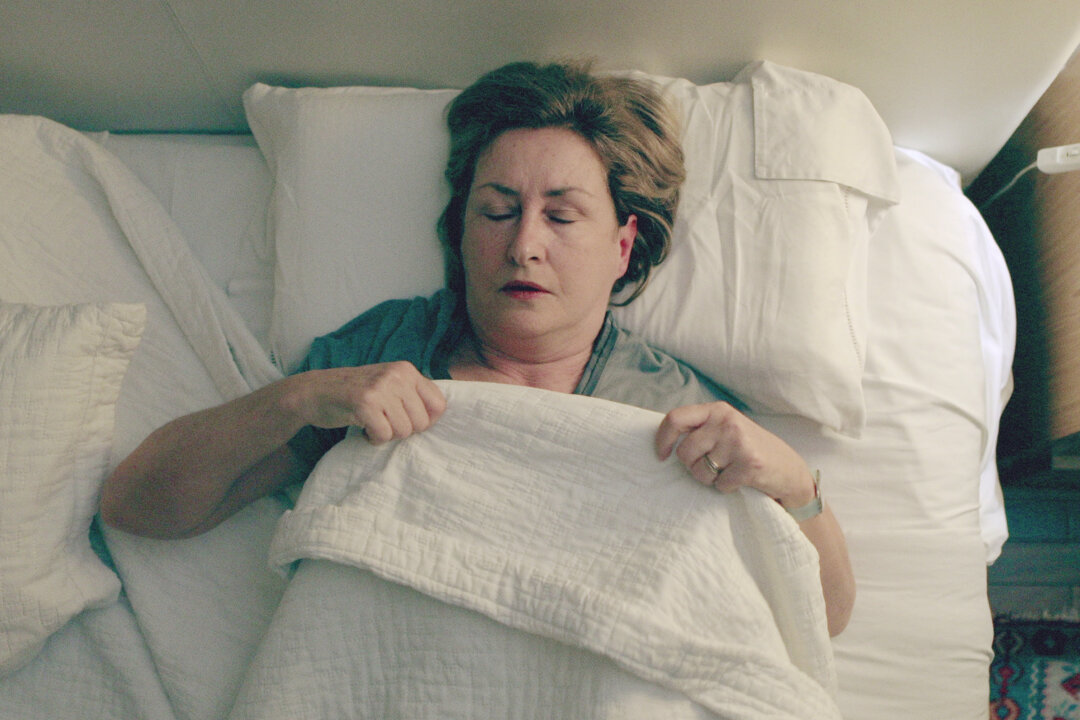
Recent research has identified five distinct sleep patterns in healthy adults, each with unique effects on brain activity and health. This study, published in PLOS Biology, reveals that variations in sleep are not merely signs of poor rest but represent distinct profiles, each influencing cognitive function and well-being differently.
According to Aurore Perrault, a neuroscientist and postdoctoral researcher at the Woolcock Institute of Medical Research in Sydney, “Your sleep is not the same as your neighbor’s, and neither are the impacts on your health and functioning.” This statement underscores the complexity of sleep and its profound implications for individual health.
Understanding the Five Sleep Profiles
The study categorizes the five sleep patterns, each linked to specific brain activity and associated health risks. The researchers found that the traditional binary view of sleep—labeling it simply as “good” or “bad”—is overly simplistic. Each of the identified profiles demonstrates a unique brain signature that influences how individuals experience sleep and its effects on their bodies.
While the research does not detail the specific characteristics of each sleep pattern, it emphasizes the need for personalized approaches to sleep health. Individuals may experience varying levels of cognitive impairment or health risks based on their specific sleep profile.
Implications for Health and Well-being
The findings have significant implications for understanding sleep disorders and their treatment. By recognizing that not all disturbances in sleep are alike, healthcare professionals can better tailor interventions to individual needs. For instance, someone who frequently wakes during the night may require a different approach than someone who struggles with racing thoughts that keep them awake.
Furthermore, the research highlights the importance of sleep education. Many people may not realize that their nighttime experiences can profoundly affect their daily functioning and overall health. By promoting awareness of the different sleep profiles, individuals can take proactive steps toward improving their sleep quality.
This study adds to a growing body of literature that seeks to redefine our understanding of sleep. More research may be necessary to explore the long-term impacts of these sleep patterns on mental and physical health. As scientists continue to delve into the complexities of sleep, it becomes increasingly clear that achieving restful sleep is not simply a matter of duration but also of understanding one’s unique sleep profile.
In conclusion, the work led by Aurore Perrault and her team at the Woolcock Institute opens up new avenues for sleep research and health intervention strategies. It encourages a more nuanced understanding of sleep, pushing us to recognize that what happens at night is just as important as what we do during the day.

Cosmic Mystery Deepens: Where Are the Universe’s Defects?

Lady Bulldogs Shine in Postseason Awards Following Final Four Run

CALV Hosts Essential Class for Local Real Estate Professionals

Urgent Alert: “Spaving” Surges as Shoppers Overspend Online

Jefferies Initiates Coverage on Insmed with “Buy” Rating

Three Dog Night to Perform with Ambrosia at Mayo Civic Center

Urgent Announcement: Charles M. Payment Passes Away at 78

Houston Education Foundation Donates $4,592 for Student Programs

Beeks Financial Cloud Shares Drop 7% Amid Increased Trading Volume

Foreign Inflows into Japan Stocks Surge to ¥1.34 Trillion

University of Hawaiʻi Joins $25.6M AI Project to Monitor Disasters

Sydney Sweeney Embraces Body Positivity Amid Hollywood Challenges

Hudson Williams Gains Popularity as Breakout Star on Heated Rivalry

Urgent Farewell: Joleen Chaney Leaves Legacy at KFOR

Boeing’s Merger with McDonnell Douglas: A Strategic Move Explained

$1.25M Grant Advances Hawaiʻi’s Real-Time Hazard Monitoring

Derrick Dove and ABAC Band Set for Free Americana Concert

BOYNEXTDOOR’s Jaehyun Faces Backlash Amid BTS-TWICE Controversy
-
Business9 months ago
Foreign Inflows into Japan Stocks Surge to ¥1.34 Trillion
-
Science9 months ago
University of Hawaiʻi Joins $25.6M AI Project to Monitor Disasters
-
 Entertainment9 months ago
Sydney Sweeney Embraces Body Positivity Amid Hollywood Challenges
-
 Entertainment8 months ago
Hudson Williams Gains Popularity as Breakout Star on Heated Rivalry
-
 Top Stories9 months ago
Urgent Farewell: Joleen Chaney Leaves Legacy at KFOR
-
 World9 months ago
Boeing’s Merger with McDonnell Douglas: A Strategic Move Explained
-
 Science8 months ago
$1.25M Grant Advances Hawaiʻi’s Real-Time Hazard Monitoring
-
 Entertainment8 months ago
Derrick Dove and ABAC Band Set for Free Americana Concert
-
 Top Stories9 months ago
BOYNEXTDOOR’s Jaehyun Faces Backlash Amid BTS-TWICE Controversy
-

 Health6 months ago
Bodybuilder Eugene Teo Transitions to Mindful Movement for Health
-

 World6 months ago
San Francisco Airport to Host 16 Nonstop Airlines to Europe in 2026
-

 Top Stories7 months ago
National Coast Guard Museum Set to Open in 2027 After Funding Secured