
Science
Neuroscientist Explores Memory Manipulation in New Book

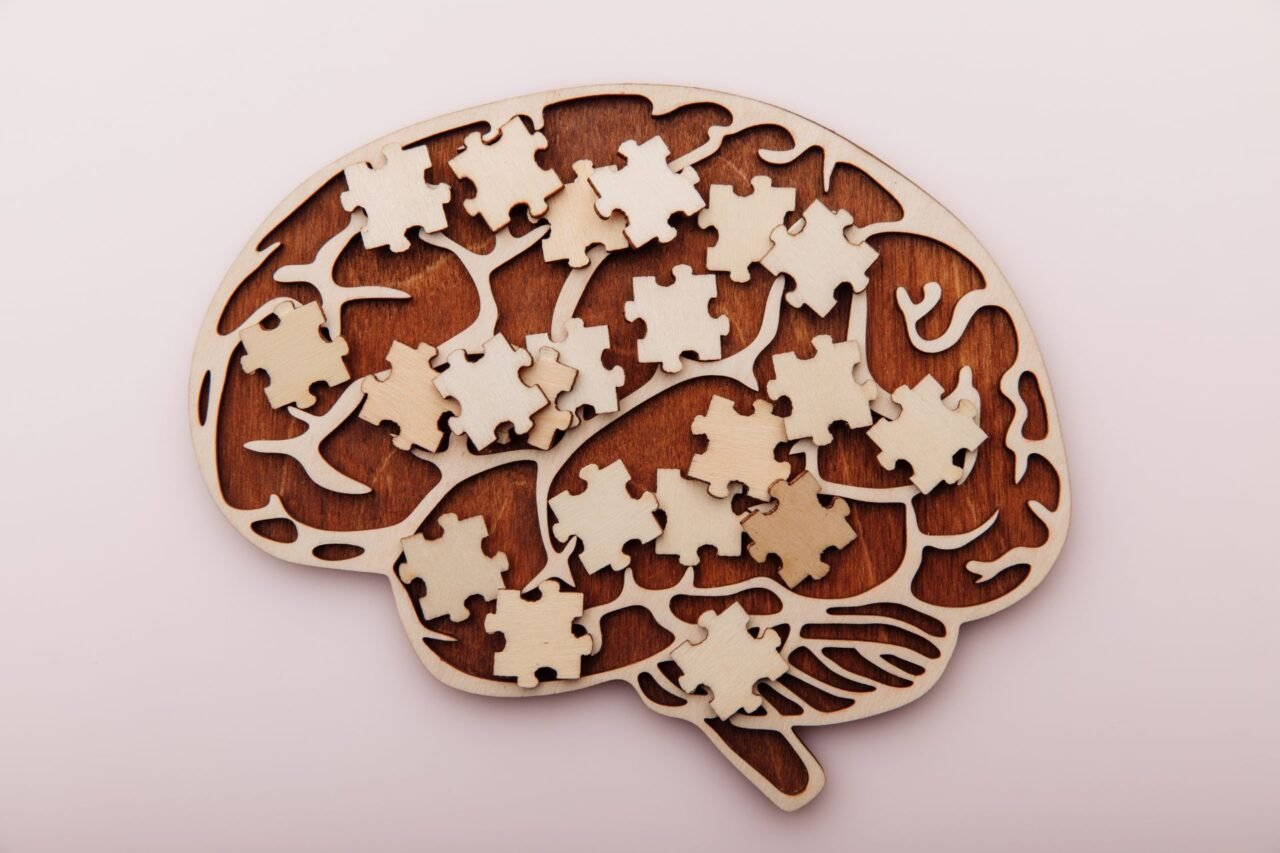
Neuroscientist Steve Ramirez is set to publish a groundbreaking book on memory manipulation, titled How to Change a Memory: One Neuroscientist’s Quest to Alter the Past, on November 4, 2023. The book explores the malleability of human memory and the potential for using this knowledge to improve mental health. Ramirez’s work has garnered attention for its implications in both therapeutic settings and ethical discussions surrounding memory alteration.
In recent decades, research has uncovered that memories are not static; they are dynamic and can be altered each time we recall them. This fluidity allows for the possibility of creating false memories, which has raised ethical concerns in areas such as law and psychology. Ramirez’s research, particularly during his time at MIT, has paved the way for advancements in understanding how memories can be manipulated, including the potential to erase traumatic memories contributing to conditions like depression.
Ramirez’s journey into memory science began with the collaboration with his mentor and friend, Xu Liu, who passed away unexpectedly at the age of 37. The emotional weight of this loss influenced Ramirez’s desire to infuse his personal experiences into his scientific narrative. He aims to present a holistic view of the human experience in science, bridging the gap between research and the human condition.
Scientific Progress and Therapeutic Potential
Since the early experiments conducted by Ramirez and Liu, the field of memory manipulation has made significant strides. Research has expanded from simple memory activation in laboratory settings to more complex applications, including restoring memories lost to conditions like amnesia and Alzheimer’s disease. Ramirez describes the current state of memory research as a “mini-renaissance,” with numerous studies exploring how to manipulate the engrams—physical traces of memories stored in the brain.
Ramirez notes, “What started as our ability to artificially turn on one specific memory in the brain has turned into success story after success story.” These breakthroughs suggest that future therapeutic applications could help individuals suffering from various mental health conditions by activating positive memories or diminishing the impact of negative ones.
Despite the promising advancements, Ramirez acknowledges the concerns surrounding the potential misuse of memory manipulation. With the rise of ethical dilemmas in neuroscience, he advocates for a transparent dialogue among researchers, clinicians, and the public. He emphasizes the importance of establishing ethical guidelines to prevent misuse, stating, “We want to start this conversation decades in advance, so that if and when we get there, we have the proper seat belts to prevent misuse.”
Reflections on Memory and Humanity
The intersection of memory manipulation and human experience is central to Ramirez’s message. He expresses a deep respect for memory’s ability to shape our identities and experiences. Through his book, he aims to foster an appreciation for the complexity of memory and its role in human connection.
Ramirez reflects, “I have a deep respect for what memory is and for what it can be.” He highlights how shared memories can serve as a foundation for empathy and understanding among individuals. His own experiences with grief and loss have informed his perspective, leading him to find hope in the potential for healing through memory.
As readers engage with Ramirez’s narrative, he hopes they will gain insights not just into the science of memory but also into the human stories that accompany scientific discovery. He remarks, “At the end of the day, what a reader can really come away with appreciating isn’t just that we have memories, but that we also are all, fortunately and unfortunately, depending on your perspective, destined to become memory.”
With a blend of scientific inquiry and personal storytelling, Ramirez’s upcoming work promises to challenge perceptions of memory and ignite discussions about its potential impact on mental health and human experience.

Cosmic Mystery Deepens: Where Are the Universe’s Defects?

Lady Bulldogs Shine in Postseason Awards Following Final Four Run

CALV Hosts Essential Class for Local Real Estate Professionals

Urgent Alert: “Spaving” Surges as Shoppers Overspend Online

Jefferies Initiates Coverage on Insmed with “Buy” Rating

Three Dog Night to Perform with Ambrosia at Mayo Civic Center

Urgent Announcement: Charles M. Payment Passes Away at 78

Houston Education Foundation Donates $4,592 for Student Programs

Beeks Financial Cloud Shares Drop 7% Amid Increased Trading Volume

Foreign Inflows into Japan Stocks Surge to ¥1.34 Trillion

University of Hawaiʻi Joins $25.6M AI Project to Monitor Disasters

Sydney Sweeney Embraces Body Positivity Amid Hollywood Challenges

Hudson Williams Gains Popularity as Breakout Star on Heated Rivalry

Urgent Farewell: Joleen Chaney Leaves Legacy at KFOR

Boeing’s Merger with McDonnell Douglas: A Strategic Move Explained

$1.25M Grant Advances Hawaiʻi’s Real-Time Hazard Monitoring

Derrick Dove and ABAC Band Set for Free Americana Concert

BOYNEXTDOOR’s Jaehyun Faces Backlash Amid BTS-TWICE Controversy
-
Business9 months ago
Foreign Inflows into Japan Stocks Surge to ¥1.34 Trillion
-
Science9 months ago
University of Hawaiʻi Joins $25.6M AI Project to Monitor Disasters
-
 Entertainment9 months ago
Sydney Sweeney Embraces Body Positivity Amid Hollywood Challenges
-
 Entertainment8 months ago
Hudson Williams Gains Popularity as Breakout Star on Heated Rivalry
-
 Top Stories9 months ago
Urgent Farewell: Joleen Chaney Leaves Legacy at KFOR
-
 World9 months ago
Boeing’s Merger with McDonnell Douglas: A Strategic Move Explained
-
 Science8 months ago
$1.25M Grant Advances Hawaiʻi’s Real-Time Hazard Monitoring
-
 Entertainment8 months ago
Derrick Dove and ABAC Band Set for Free Americana Concert
-
 Top Stories9 months ago
BOYNEXTDOOR’s Jaehyun Faces Backlash Amid BTS-TWICE Controversy
-

 Health6 months ago
Bodybuilder Eugene Teo Transitions to Mindful Movement for Health
-

 World6 months ago
San Francisco Airport to Host 16 Nonstop Airlines to Europe in 2026
-

 Top Stories7 months ago
National Coast Guard Museum Set to Open in 2027 After Funding Secured