
Science
NASA Alters Artemis Plans, Lacks Rescue Strategy for Astronauts

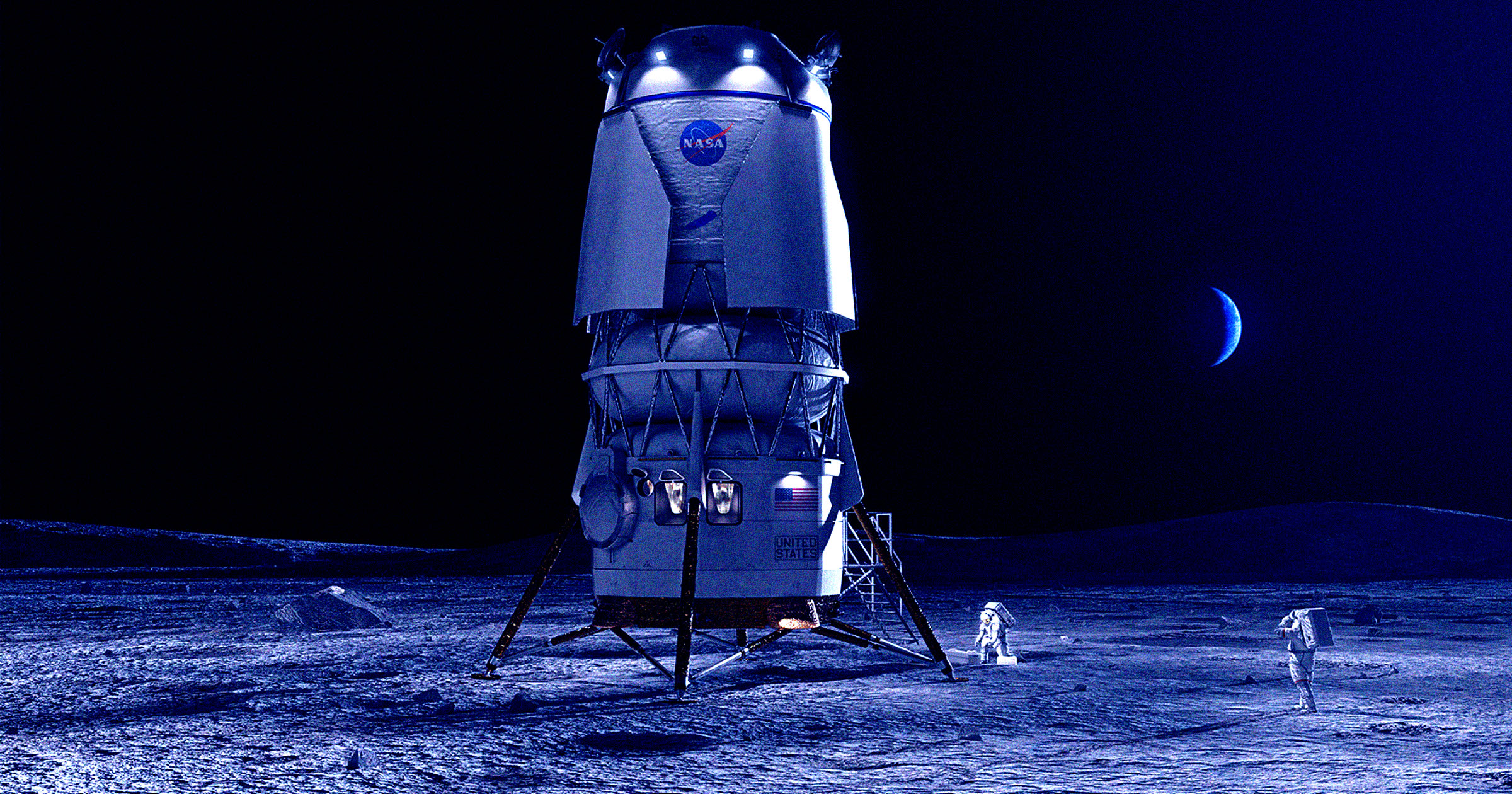
NASA recently announced significant changes to its Artemis program, downgrading the third mission from a crewed lunar landing attempt to a test of its Human Landing Systems (HLS) partners’ spacecraft, specifically those developed by SpaceX and Blue Origin. During a livestreamed press conference, NASA Administrator Jared Isaacman emphasized the need for “achievable objectives” to enhance “reliability and standardization” in future missions, rather than rushing directly into a landing attempt.
Despite these adjustments, a report by the NASA Office of Inspector General (OIG) raises concerns about the program’s safety measures. The report, completed prior to the Artemis announcement, highlights that NASA currently lacks a plan to rescue astronauts stranded on the lunar surface in the event of a life-threatening emergency. This gap in contingency planning mirrors historical precedents; a speech drafted by presidential speechwriter William Safire in 1969 for President Richard Nixon was prepared to address a potential disaster involving astronauts Neil Armstrong and Edwin Aldrin during the Apollo 11 mission.
The OIG report outlines ongoing risks associated with extreme lunar exploration. While NASA is taking steps to mitigate hazards linked to the HLS, it acknowledges that “gaps still exist” in its risk reduction methodology. Questions persist regarding the manual control systems of SpaceX and Blue Origin’s landers, which are critical for crew safety during emergencies.
Challenges Ahead for Lunar Missions
NASA’s revised approach to lunar exploration remains ambitious, with plans to launch two landing missions in 2028. The agency aims to utilize one or both landers, contingent on their readiness. Lori Glaze, NASA’s acting associate administrator for exploration systems development, noted that both partners have faced delays. She assured that the agency is collaborating closely with experts to oversee lander development and apply lessons learned to minimize further impacts.
The logistical challenges for these missions are substantial. The report indicates that SpaceX’s 171-foot Starship requires significant fuel to reach the Moon, necessitating the deployment of a “Starship tanker” to deliver propellant to low Earth orbit. To fill the depot, at least ten tankers will be needed, with operations expected to begin at least 200 days before the planned mission. As of now, SpaceX has yet to successfully launch Starship into space, let alone achieve stable orbit or refuel in space.
Blue Origin faces similar challenges, planning to establish a propellant depot for its lander. Before any crew is sent to the Moon, NASA intends to conduct extensive tests in lunar orbit to ensure both landers meet safety and operational standards. The OIG emphasizes that landing on the Moon will present additional risks, requiring a “tilt tolerance” of just eight degrees at the landing site to prevent the Starship from tipping over.
To provide context, the tallest lunar module from NASA’s Apollo program was less than half the height of the Blue Moon lander, which stands at 53 feet. In February 2024, even a shorter lunar lander designed by Houston-based Intuitive Machines toppled during a landing attempt, underscoring the real dangers involved.
Future Considerations for Lunar Exploration
As NASA prepares for these ambitious lunar missions, the agency must also address the operational challenges of crew safety. The report highlights that Starship will need to provide an elevator system for astronaut access to the lunar surface. Currently, there is no alternative method for crew entry should the elevator fail, presenting a significant concern for astronaut safety.
NASA’s ongoing mission to return to the Moon is framed as a careful and iterative process, yet the agency must navigate complex technical and logistical hurdles. With a keen focus on reliability and safety, the future of human exploration beyond Earth remains as ambitious as ever, but the path forward requires diligent planning and robust contingency strategies.

Cosmic Mystery Deepens: Where Are the Universe’s Defects?

Lady Bulldogs Shine in Postseason Awards Following Final Four Run

CALV Hosts Essential Class for Local Real Estate Professionals

Urgent Alert: “Spaving” Surges as Shoppers Overspend Online

Jefferies Initiates Coverage on Insmed with “Buy” Rating

Three Dog Night to Perform with Ambrosia at Mayo Civic Center

Urgent Announcement: Charles M. Payment Passes Away at 78

Houston Education Foundation Donates $4,592 for Student Programs

Beeks Financial Cloud Shares Drop 7% Amid Increased Trading Volume

Foreign Inflows into Japan Stocks Surge to ¥1.34 Trillion

University of Hawaiʻi Joins $25.6M AI Project to Monitor Disasters

Sydney Sweeney Embraces Body Positivity Amid Hollywood Challenges

Hudson Williams Gains Popularity as Breakout Star on Heated Rivalry

Urgent Farewell: Joleen Chaney Leaves Legacy at KFOR

Boeing’s Merger with McDonnell Douglas: A Strategic Move Explained

$1.25M Grant Advances Hawaiʻi’s Real-Time Hazard Monitoring

Derrick Dove and ABAC Band Set for Free Americana Concert

BOYNEXTDOOR’s Jaehyun Faces Backlash Amid BTS-TWICE Controversy
-
Business7 months ago
Foreign Inflows into Japan Stocks Surge to ¥1.34 Trillion
-
Science7 months ago
University of Hawaiʻi Joins $25.6M AI Project to Monitor Disasters
-
 Entertainment7 months ago
Sydney Sweeney Embraces Body Positivity Amid Hollywood Challenges
-
 Entertainment6 months ago
Hudson Williams Gains Popularity as Breakout Star on Heated Rivalry
-
 Top Stories7 months ago
Urgent Farewell: Joleen Chaney Leaves Legacy at KFOR
-
 World7 months ago
Boeing’s Merger with McDonnell Douglas: A Strategic Move Explained
-
 Science6 months ago
$1.25M Grant Advances Hawaiʻi’s Real-Time Hazard Monitoring
-
 Entertainment6 months ago
Derrick Dove and ABAC Band Set for Free Americana Concert
-
 Top Stories7 months ago
BOYNEXTDOOR’s Jaehyun Faces Backlash Amid BTS-TWICE Controversy
-

 Health4 months ago
Bodybuilder Eugene Teo Transitions to Mindful Movement for Health
-

 Health5 months ago
Hartford’s Abandoned Tower Faces Growing Safety Concerns
-

 Top Stories5 months ago
National Coast Guard Museum Set to Open in 2027 After Funding Secured