
Science
Lund University Team Transforms Glial Cells Into Brain Repair Cells

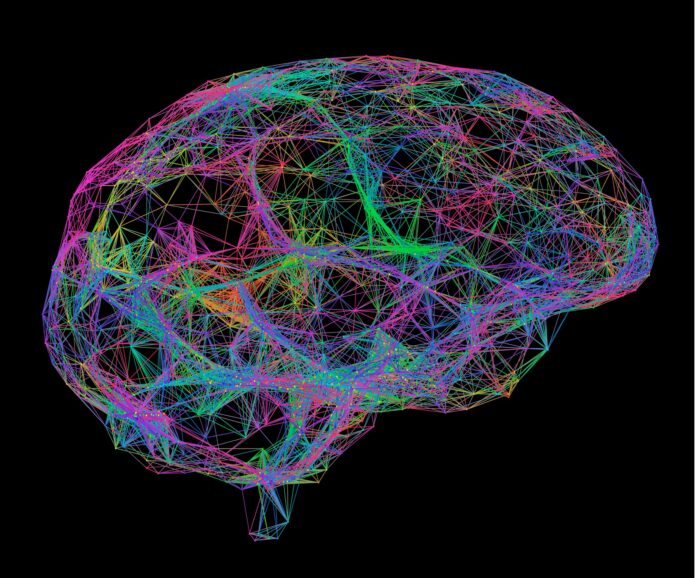
A research team at Lund University has made significant strides in neuroscience by successfully reprogramming human glial cells into parvalbumin (PV) interneurons. This breakthrough, detailed in a study published in Science Advances, presents a novel approach to addressing disorders linked to the malfunction of these crucial brain cells.
PV interneurons are critical for maintaining the brain’s rhythm and stability. They play a vital role in regulating local circuit activity and ensuring a balance between excitation and inhibition within neural networks. Dysfunction of these cells has been associated with various neurological disorders, including schizophrenia and epilepsy. Until now, generating subtype-specific PV interneurons in vitro has proven to be a considerable challenge for researchers.
The Lund University team, led by Daniella Rylander Ottosson, PhD, has pioneered a method that directly transforms human glial cells into PV interneurons, bypassing the traditional stem-cell stage. “In our study, we have for the first time succeeded in reprogramming human glial cells into parvalbumin neurons that resemble those that naturally exist in the brain,” said Ottosson.
Their technique involves using human stem-cell-derived glial progenitor cells (hGPCs) and introducing a defined set of five transcription factors: Ascl1, DLX5, LHX6, Sox2, and FOXG1. Remarkably, within weeks, the glial cells displayed neuronal morphology and began expressing GABAergic markers, characteristics typical of inhibitory interneurons.
Breakthrough Insights into Neuronal Development
The researchers utilized single-nucleus RNA sequencing to monitor the reprogramming process. This analysis revealed that the cells transitioned swiftly through distinct developmental states, ultimately forming multiple neuronal clusters. Among these was a prominent population enriched in PV markers, specifically resembling chandelier cells, which are known for their unique role in modulating neural circuits.
This study addresses a long-standing challenge in neuroscience: the efficient and reliable generation of subtype-specific PV interneurons. Given that glial cells are abundant and proliferative throughout the brain, this direct reprogramming approach holds promise for repairing inhibitory circuits disrupted in various neurological and psychiatric conditions.
Despite the potential, the transition of glial reprogramming methods to human systems has faced obstacles. The authors noted that hGPCs tend to develop later in the process. They successfully overcame this hurdle by employing a protocol that produces oligodendrocyte precursor-like cells, which have shown effectiveness in being converted into interneurons.
Future Implications for Neurological Therapies
The identification of a PV-specific lineage pathway also sheds light on previously unrecognized genes essential for the PV fate. This discovery offers opportunities for refining future reprogramming strategies aimed at restoring neural function.
The ability to generate mature human PV interneurons rapidly and reliably could become foundational for future therapies focused on repairing damaged neural circuits. As the field of brain cell engineering progresses, the implications of this research could lead to innovative treatments for a range of neurological disorders.
The study represents a significant advancement in regenerative neurophysiology, with the potential to enhance our understanding of brain function and repair mechanisms. As researchers continue to explore these pathways, the future of brain repair therapies looks increasingly promising.

Cosmic Mystery Deepens: Where Are the Universe’s Defects?

Lady Bulldogs Shine in Postseason Awards Following Final Four Run

CALV Hosts Essential Class for Local Real Estate Professionals

Urgent Alert: “Spaving” Surges as Shoppers Overspend Online

Jefferies Initiates Coverage on Insmed with “Buy” Rating

Three Dog Night to Perform with Ambrosia at Mayo Civic Center

Urgent Announcement: Charles M. Payment Passes Away at 78

Houston Education Foundation Donates $4,592 for Student Programs

Beeks Financial Cloud Shares Drop 7% Amid Increased Trading Volume

Foreign Inflows into Japan Stocks Surge to ¥1.34 Trillion

University of Hawaiʻi Joins $25.6M AI Project to Monitor Disasters

Sydney Sweeney Embraces Body Positivity Amid Hollywood Challenges

Hudson Williams Gains Popularity as Breakout Star on Heated Rivalry

Urgent Farewell: Joleen Chaney Leaves Legacy at KFOR

Boeing’s Merger with McDonnell Douglas: A Strategic Move Explained

$1.25M Grant Advances Hawaiʻi’s Real-Time Hazard Monitoring

Derrick Dove and ABAC Band Set for Free Americana Concert

BOYNEXTDOOR’s Jaehyun Faces Backlash Amid BTS-TWICE Controversy
-
Business9 months ago
Foreign Inflows into Japan Stocks Surge to ¥1.34 Trillion
-
Science8 months ago
University of Hawaiʻi Joins $25.6M AI Project to Monitor Disasters
-
 Entertainment9 months ago
Sydney Sweeney Embraces Body Positivity Amid Hollywood Challenges
-
 Entertainment7 months ago
Hudson Williams Gains Popularity as Breakout Star on Heated Rivalry
-
 Top Stories8 months ago
Urgent Farewell: Joleen Chaney Leaves Legacy at KFOR
-
 World9 months ago
Boeing’s Merger with McDonnell Douglas: A Strategic Move Explained
-
 Science7 months ago
$1.25M Grant Advances Hawaiʻi’s Real-Time Hazard Monitoring
-
 Entertainment8 months ago
Derrick Dove and ABAC Band Set for Free Americana Concert
-
 Top Stories9 months ago
BOYNEXTDOOR’s Jaehyun Faces Backlash Amid BTS-TWICE Controversy
-

 Health6 months ago
Bodybuilder Eugene Teo Transitions to Mindful Movement for Health
-

 World6 months ago
San Francisco Airport to Host 16 Nonstop Airlines to Europe in 2026
-

 Top Stories7 months ago
National Coast Guard Museum Set to Open in 2027 After Funding Secured