
Science
China’s Influence on Western Academia Raises Ethical Concerns

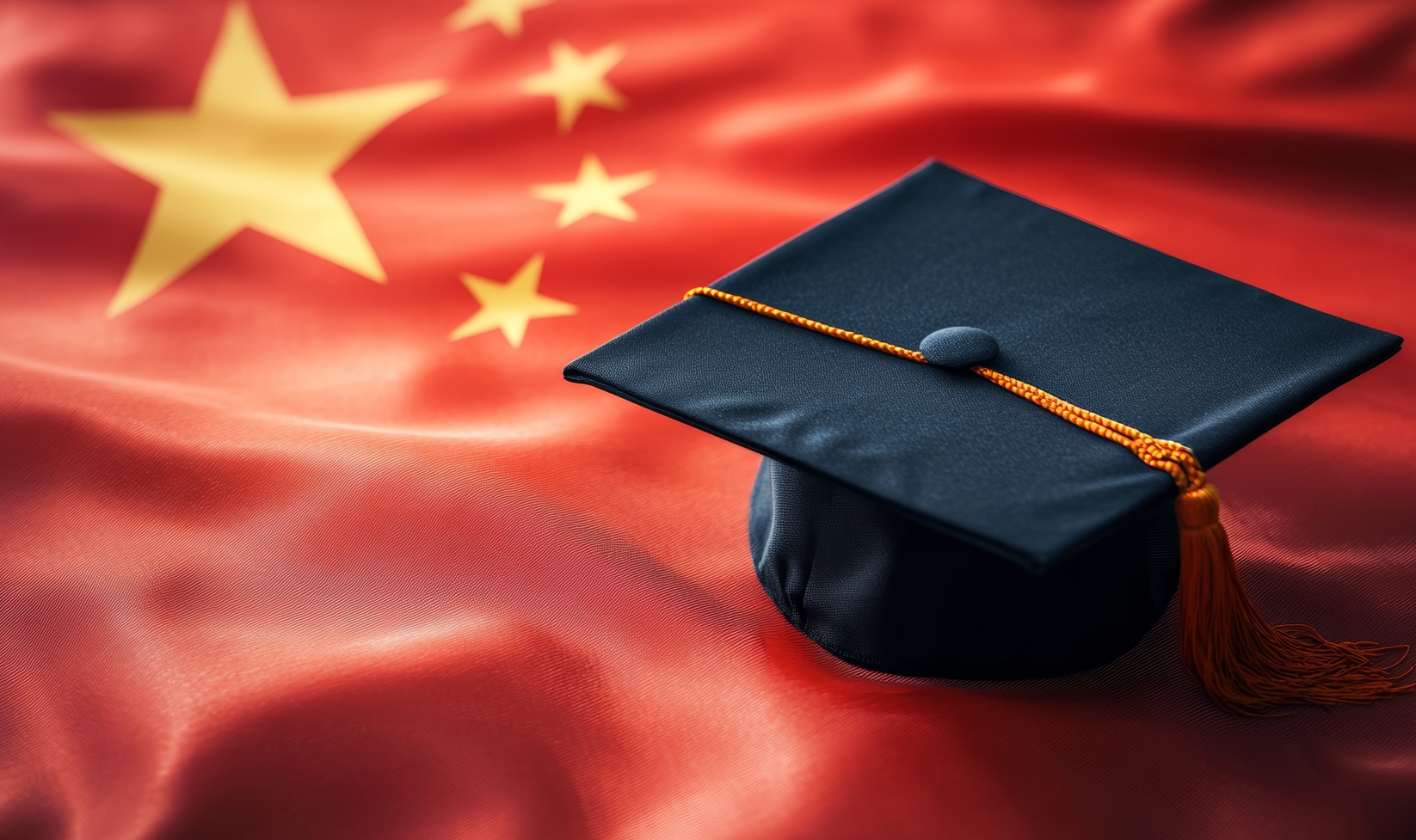
Chinese influence on academic research is drawing increased scrutiny, with experts highlighting concerns over how political pressures affect scholarly integrity in Western institutions. In a recent article for The James G. Martin Center for Academic Renewal, Dr. Bruce Gilley argues that the current political climate in China, particularly under Xi Jinping, is compromising the quality and independence of research produced by Chinese scholars, which subsequently impacts Western academia.
Gilley asserts that the Chinese academic system prioritizes loyalty and output over intellectual honesty. He uses Xi Jinping’s controversial doctoral work at Tsinghua University as an example, illustrating how scholarship in China often serves state interests rather than the pursuit of truth. This environment creates a landscape where academic integrity is at risk.
Global Academic Pressures
The sheer scale of China’s academic sector amplifies its influence. Gilley outlines a troubling trend involving “paper mills,” citation cartels, and questionable datasets that flourish in a system where publication metrics dictate career advancement. As Chinese researchers secure positions in Western universities and engage in international collaborations, these pressures begin to reshape research culture beyond China’s borders.
This phenomenon raises crucial questions about the integrity of academic work. Gilley points to the increasing preference among Western institutions for hiring scholars from China to teach subjects related to the country. This trend can introduce political sensitivities into research topics and compromise the academic freedom that Western institutions traditionally uphold.
Challenges in Academic Collaboration
The partnership between U.S. universities and Chinese laboratories continues to yield joint studies, including those focused on advanced technologies such as artificial intelligence. Yet, this collaboration is not without controversy. Calls to restrict academic cooperation with China often spark accusations of racism or intellectual isolation. Gilley contends that the real challenge lies in reconciling a research system driven by political control and intense publication pressure with the open traditions of Western academia.
As debates surrounding these issues gain momentum, the academic community faces a pivotal moment. The question remains: how can Western academic institutions maintain their commitment to openness while navigating the complexities introduced by differing incentives? Gilley’s article, “How China Corrupts Academic Research,” brings these pressing questions to the forefront, urging scholars to critically assess the implications of geopolitical influences on academic integrity.
The implications of this discussion extend beyond the confines of academia, touching on broader themes of ethics, collaboration, and the future of research in a globalized world. As these conversations evolve, the academic community must grapple with the balance between collaboration and maintaining the integrity of scholarship.

Cosmic Mystery Deepens: Where Are the Universe’s Defects?

Lady Bulldogs Shine in Postseason Awards Following Final Four Run

CALV Hosts Essential Class for Local Real Estate Professionals

Urgent Alert: “Spaving” Surges as Shoppers Overspend Online

Jefferies Initiates Coverage on Insmed with “Buy” Rating

Three Dog Night to Perform with Ambrosia at Mayo Civic Center

Urgent Announcement: Charles M. Payment Passes Away at 78

Houston Education Foundation Donates $4,592 for Student Programs

Beeks Financial Cloud Shares Drop 7% Amid Increased Trading Volume

Foreign Inflows into Japan Stocks Surge to ¥1.34 Trillion

University of Hawaiʻi Joins $25.6M AI Project to Monitor Disasters

Sydney Sweeney Embraces Body Positivity Amid Hollywood Challenges

Hudson Williams Gains Popularity as Breakout Star on Heated Rivalry

Urgent Farewell: Joleen Chaney Leaves Legacy at KFOR

Boeing’s Merger with McDonnell Douglas: A Strategic Move Explained

$1.25M Grant Advances Hawaiʻi’s Real-Time Hazard Monitoring

Derrick Dove and ABAC Band Set for Free Americana Concert

BOYNEXTDOOR’s Jaehyun Faces Backlash Amid BTS-TWICE Controversy
-
Business9 months ago
Foreign Inflows into Japan Stocks Surge to ¥1.34 Trillion
-
Science8 months ago
University of Hawaiʻi Joins $25.6M AI Project to Monitor Disasters
-
 Entertainment9 months ago
Sydney Sweeney Embraces Body Positivity Amid Hollywood Challenges
-
 Entertainment7 months ago
Hudson Williams Gains Popularity as Breakout Star on Heated Rivalry
-
 Top Stories8 months ago
Urgent Farewell: Joleen Chaney Leaves Legacy at KFOR
-
 World9 months ago
Boeing’s Merger with McDonnell Douglas: A Strategic Move Explained
-
 Science7 months ago
$1.25M Grant Advances Hawaiʻi’s Real-Time Hazard Monitoring
-
 Entertainment8 months ago
Derrick Dove and ABAC Band Set for Free Americana Concert
-
 Top Stories9 months ago
BOYNEXTDOOR’s Jaehyun Faces Backlash Amid BTS-TWICE Controversy
-

 Health6 months ago
Bodybuilder Eugene Teo Transitions to Mindful Movement for Health
-

 World6 months ago
San Francisco Airport to Host 16 Nonstop Airlines to Europe in 2026
-

 Top Stories7 months ago
National Coast Guard Museum Set to Open in 2027 After Funding Secured