
Science
African Catfish Combat Disease, New Earthquake Maps Unveiled

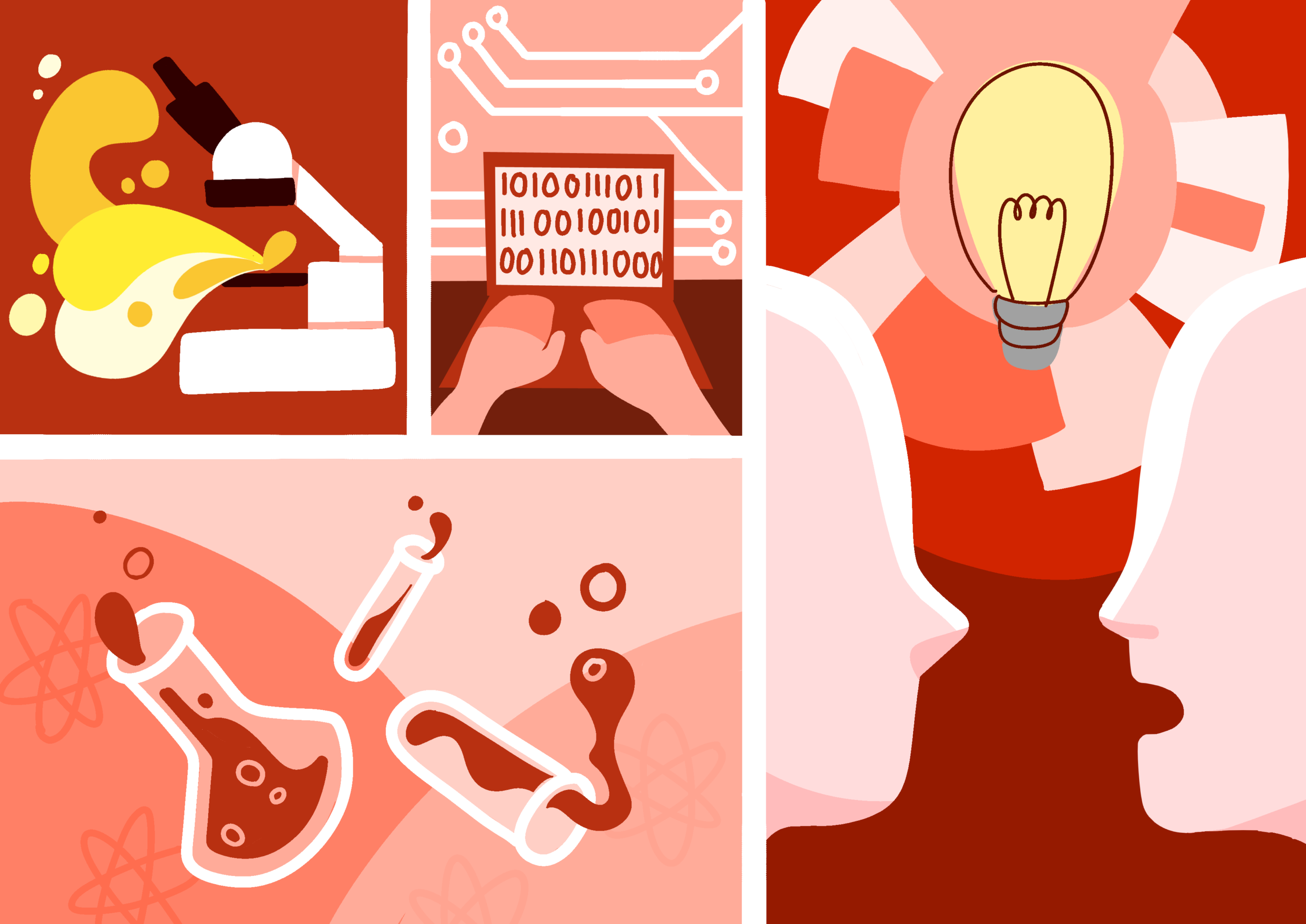
Research conducted at Stanford University has unveiled significant advancements in three diverse fields: the use of African catfish to mitigate disease spread, the creation of a global map of mantle earthquakes, and new insights into math learning disabilities among students. These studies highlight innovative approaches to pressing global challenges and the importance of interdisciplinary research.
Catfish Target Disease Transmission in Senegal
In an effort to combat schistosomiasis, a disease that poses serious health risks to rice farmers in Senegal, Professor Giulio De Leo and his team are exploring the introduction of African catfish into rice fields. This initiative aims to reduce the population of freshwater snails that serve as hosts for the disease-causing parasites. Schistosomiasis is transmitted when humans come into contact with infected water, leading to symptoms that can escalate into severe digestive or neurological issues.
Funded by the Stanford Doerr School of Sustainability, the research has shown promising early results. The introduction of African catfish, which are native to the region, appears to lower snail populations and increase rice yields. This not only helps in disease prevention but also provides farmers with an additional source of income from selling the catfish. “With the guidance of our partners in Senegal, we’re demonstrating a proof of concept to scale adoption,” De Leo stated.
Mapping Mantle Earthquakes for Better Understanding
Researchers from the Stanford Doerr School of Sustainability have also made strides in understanding seismic activity by developing the first-ever global map of earthquakes occurring in the Earth’s mantle. According to Shiqi Wang, a Ph.D. student involved in the project, this map provides insight into the rare occurrences of mantle earthquakes and their potential implications for more common earthquakes that strike closer to the surface.
The study analyzed over 46,000 earthquakes recorded since 1990, identifying 459 as mantle earthquakes based on their wave types. Wang noted that this estimate is likely conservative due to the limited number of sensors in remote areas where such earthquakes might occur. “Continental mantle earthquakes might be part of an inherently interconnected earthquake cycle, both from the crust and also the upper mantle,” Wang remarked, emphasizing the need to understand these geological layers as a coherent system.
Insights into Math Learning Disabilities
In another area of research, a recent study from the Stanford School of Medicine published in the Journal of Neuroscience sheds light on how students with math learning disabilities approach problem-solving differently. The study focused on 87 children in the second and third grades, including 34 who were identified as having math learning disabilities based on standardized testing.
The findings revealed variations in brain activity among these students, particularly in regions responsible for focused attention and error-checking. Professor Vinod Menon, the senior author of the study, noted the importance of targeting interventions that enhance not only basic number sense but also metacognitive skills, which involve performance monitoring and error adjustment. “Our findings suggest that interventions should target not only basic number sense, but also metacognitive processes,” Menon explained, highlighting the potential for this research to inform educational strategies for supporting children with math learning disabilities.
These studies collectively illustrate the dynamic nature of research at Stanford, demonstrating how innovative solutions can address significant health, environmental, and educational challenges.

Cosmic Mystery Deepens: Where Are the Universe’s Defects?

Lady Bulldogs Shine in Postseason Awards Following Final Four Run

CALV Hosts Essential Class for Local Real Estate Professionals

Urgent Alert: “Spaving” Surges as Shoppers Overspend Online

Jefferies Initiates Coverage on Insmed with “Buy” Rating

Three Dog Night to Perform with Ambrosia at Mayo Civic Center

Urgent Announcement: Charles M. Payment Passes Away at 78

Houston Education Foundation Donates $4,592 for Student Programs

Beeks Financial Cloud Shares Drop 7% Amid Increased Trading Volume

Foreign Inflows into Japan Stocks Surge to ¥1.34 Trillion

University of Hawaiʻi Joins $25.6M AI Project to Monitor Disasters

Sydney Sweeney Embraces Body Positivity Amid Hollywood Challenges

Hudson Williams Gains Popularity as Breakout Star on Heated Rivalry

Urgent Farewell: Joleen Chaney Leaves Legacy at KFOR

Boeing’s Merger with McDonnell Douglas: A Strategic Move Explained

$1.25M Grant Advances Hawaiʻi’s Real-Time Hazard Monitoring

Derrick Dove and ABAC Band Set for Free Americana Concert

BOYNEXTDOOR’s Jaehyun Faces Backlash Amid BTS-TWICE Controversy
-
Business9 months ago
Foreign Inflows into Japan Stocks Surge to ¥1.34 Trillion
-
Science8 months ago
University of Hawaiʻi Joins $25.6M AI Project to Monitor Disasters
-
 Entertainment9 months ago
Sydney Sweeney Embraces Body Positivity Amid Hollywood Challenges
-
 Entertainment7 months ago
Hudson Williams Gains Popularity as Breakout Star on Heated Rivalry
-
 Top Stories8 months ago
Urgent Farewell: Joleen Chaney Leaves Legacy at KFOR
-
 World9 months ago
Boeing’s Merger with McDonnell Douglas: A Strategic Move Explained
-
 Science7 months ago
$1.25M Grant Advances Hawaiʻi’s Real-Time Hazard Monitoring
-
 Entertainment8 months ago
Derrick Dove and ABAC Band Set for Free Americana Concert
-
 Top Stories9 months ago
BOYNEXTDOOR’s Jaehyun Faces Backlash Amid BTS-TWICE Controversy
-
 Health6 months ago
Bodybuilder Eugene Teo Transitions to Mindful Movement for Health
-
 World6 months ago
San Francisco Airport to Host 16 Nonstop Airlines to Europe in 2026
-

 Top Stories7 months ago
National Coast Guard Museum Set to Open in 2027 After Funding Secured