
Politics
Pentagon Watchdog Highlights Risks in Hegseth’s Signal Use

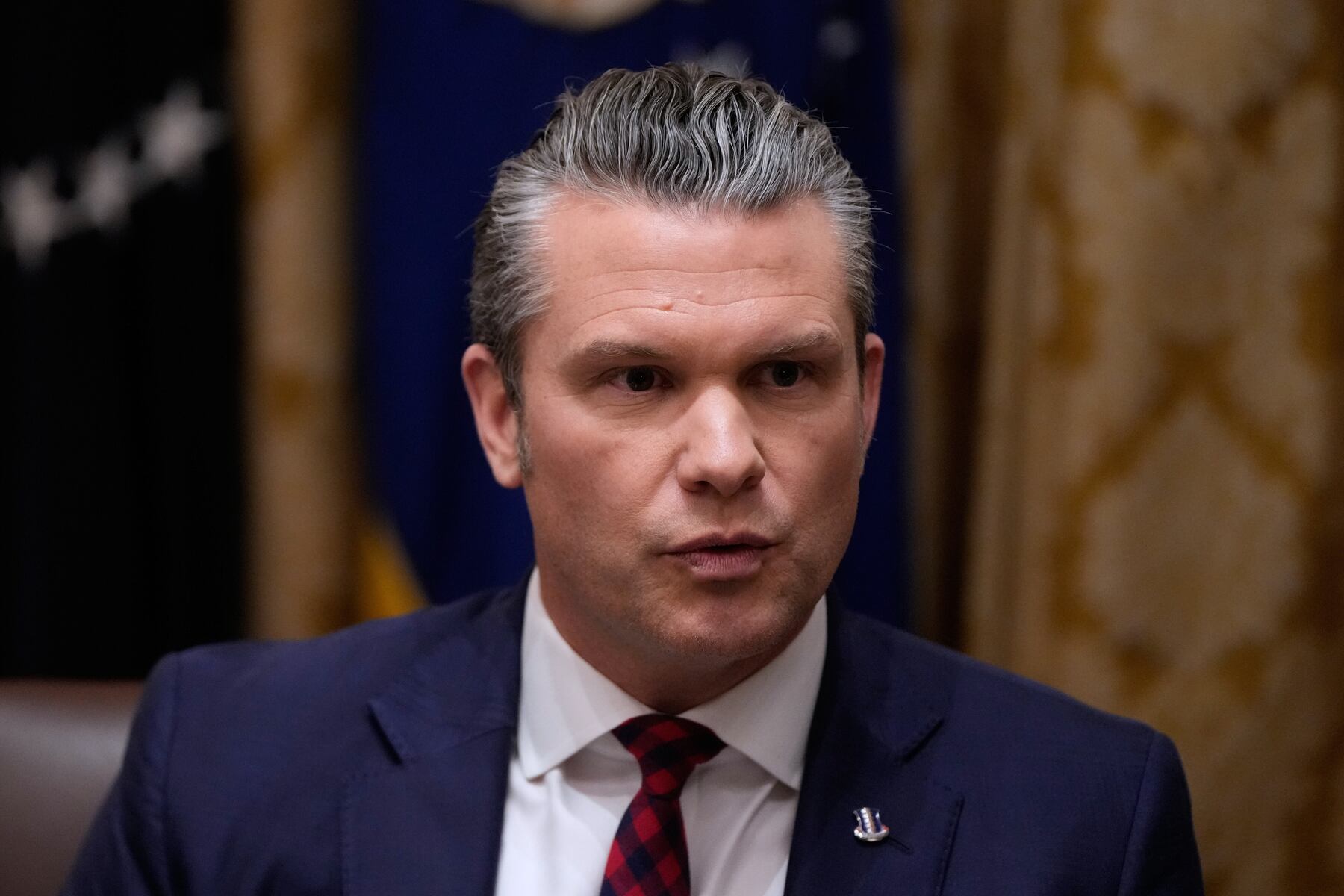
The Pentagon’s internal watchdog has determined that Defense Secretary Pete Hegseth jeopardized U.S. personnel and operations by using the Signal messaging app to share sensitive information regarding military actions against Yemen’s Houthi militants. This assessment, based on findings revealed on Wednesday, has intensified scrutiny surrounding Hegseth’s conduct and the potential implications for military security.
The investigation concluded that while Hegseth possesses the authority to declassify information, he did breach Pentagon policy by utilizing a personal device for official communications. According to sources familiar with the findings, the report recommended enhanced training for Pentagon officials regarding secure communication practices. Although Hegseth declined a personal interview with the Pentagon’s inspector general, he did provide a written statement asserting that he only shared information he believed posed no risk to military operations.
Lawmakers had previously called for an independent inquiry into Hegseth’s actions following revelations that he used Signal to discuss military operations, including a controversial order concerning a military strike that reportedly resulted in civilian casualties. Hegseth defended his actions as being made in the “fog of war,” asserting he acted on the information available at the time.
Details Emerge on Sensitive Communication
Hegseth’s use of Signal became public when Jeffrey Goldberg, editor of The Atlantic, was unintentionally included in a text chain initiated by then-national security adviser Mike Waltz. This group, which included prominent officials such as Vice President JD Vance and Secretary of State Marco Rubio, discussed military operations slated for March 15, 2024. Reports indicate that Hegseth shared specific details about the timing of airstrikes, including launch schedules and target information, within these chats.
Although Signal is known for its encryption, it is not sanctioned for transmitting classified information and does not fall under the Pentagon’s secure communications framework. Hegseth has maintained that none of the shared information was classified. Yet, multiple current and former military officials have expressed concerns, emphasizing that sharing such precise details before a strike on an unsecured platform could compromise operational security and endanger lives.
The findings of the investigation were shared with congressional lawmakers, who accessed the report in a classified setting at the Capitol. A redacted version is expected to be made public shortly. Hegseth has characterized the investigation as politically motivated, expressing distrust towards the inspector general’s office.
Political and Military Ramifications
Following the disclosure of Hegseth’s communications, both Democratic and a select group of Republican lawmakers voiced alarm. They contended that revealing operational details in Signal chats before military jets reached their targets could have endangered pilots. They argued that lower-ranking military personnel would face severe consequences for similar lapses.
The inquiry was initiated at the request of Senator Roger Wicker, the Republican chairman of the Senate Armed Services Committee, along with the committee’s leading Democrat, Senator Jack Reed. Concerns were further amplified by military families and veterans who highlighted the stringent security protocols they adhere to in safeguarding sensitive information.
The backdrop to these discussions is the ongoing military campaign against the Houthis, who have been launching missile and drone attacks against various targets in the region. This conflict has seen a marked escalation, with U.S. military involvement becoming increasingly complex. The situation has transformed into one of the most intense maritime confrontations faced by the U.S. Navy since World War II.
As the investigation unfolds, it raises significant questions about communication protocols within the military and the accountability of high-ranking officials. The revelations surrounding Hegseth’s use of Signal may lead to broader discussions about operational security and the necessity for stringent adherence to established protocols.

Cosmic Mystery Deepens: Where Are the Universe’s Defects?

Lady Bulldogs Shine in Postseason Awards Following Final Four Run

CALV Hosts Essential Class for Local Real Estate Professionals

Urgent Alert: “Spaving” Surges as Shoppers Overspend Online

Jefferies Initiates Coverage on Insmed with “Buy” Rating

Three Dog Night to Perform with Ambrosia at Mayo Civic Center

Urgent Announcement: Charles M. Payment Passes Away at 78

Houston Education Foundation Donates $4,592 for Student Programs

Beeks Financial Cloud Shares Drop 7% Amid Increased Trading Volume

Foreign Inflows into Japan Stocks Surge to ¥1.34 Trillion

University of Hawaiʻi Joins $25.6M AI Project to Monitor Disasters

Sydney Sweeney Embraces Body Positivity Amid Hollywood Challenges

Hudson Williams Gains Popularity as Breakout Star on Heated Rivalry

Urgent Farewell: Joleen Chaney Leaves Legacy at KFOR

Boeing’s Merger with McDonnell Douglas: A Strategic Move Explained

$1.25M Grant Advances Hawaiʻi’s Real-Time Hazard Monitoring

Derrick Dove and ABAC Band Set for Free Americana Concert

BOYNEXTDOOR’s Jaehyun Faces Backlash Amid BTS-TWICE Controversy
-
Business9 months ago
Foreign Inflows into Japan Stocks Surge to ¥1.34 Trillion
-
Science8 months ago
University of Hawaiʻi Joins $25.6M AI Project to Monitor Disasters
-
 Entertainment9 months ago
Sydney Sweeney Embraces Body Positivity Amid Hollywood Challenges
-
 Entertainment7 months ago
Hudson Williams Gains Popularity as Breakout Star on Heated Rivalry
-
 Top Stories8 months ago
Urgent Farewell: Joleen Chaney Leaves Legacy at KFOR
-
 World9 months ago
Boeing’s Merger with McDonnell Douglas: A Strategic Move Explained
-
 Science7 months ago
$1.25M Grant Advances Hawaiʻi’s Real-Time Hazard Monitoring
-
 Entertainment8 months ago
Derrick Dove and ABAC Band Set for Free Americana Concert
-
 Top Stories9 months ago
BOYNEXTDOOR’s Jaehyun Faces Backlash Amid BTS-TWICE Controversy
-

 Health6 months ago
Bodybuilder Eugene Teo Transitions to Mindful Movement for Health
-

 World6 months ago
San Francisco Airport to Host 16 Nonstop Airlines to Europe in 2026
-

 Top Stories7 months ago
National Coast Guard Museum Set to Open in 2027 After Funding Secured