
Politics
Navigating Rudeness: Miss Manners Offers Timeless Etiquette Advice

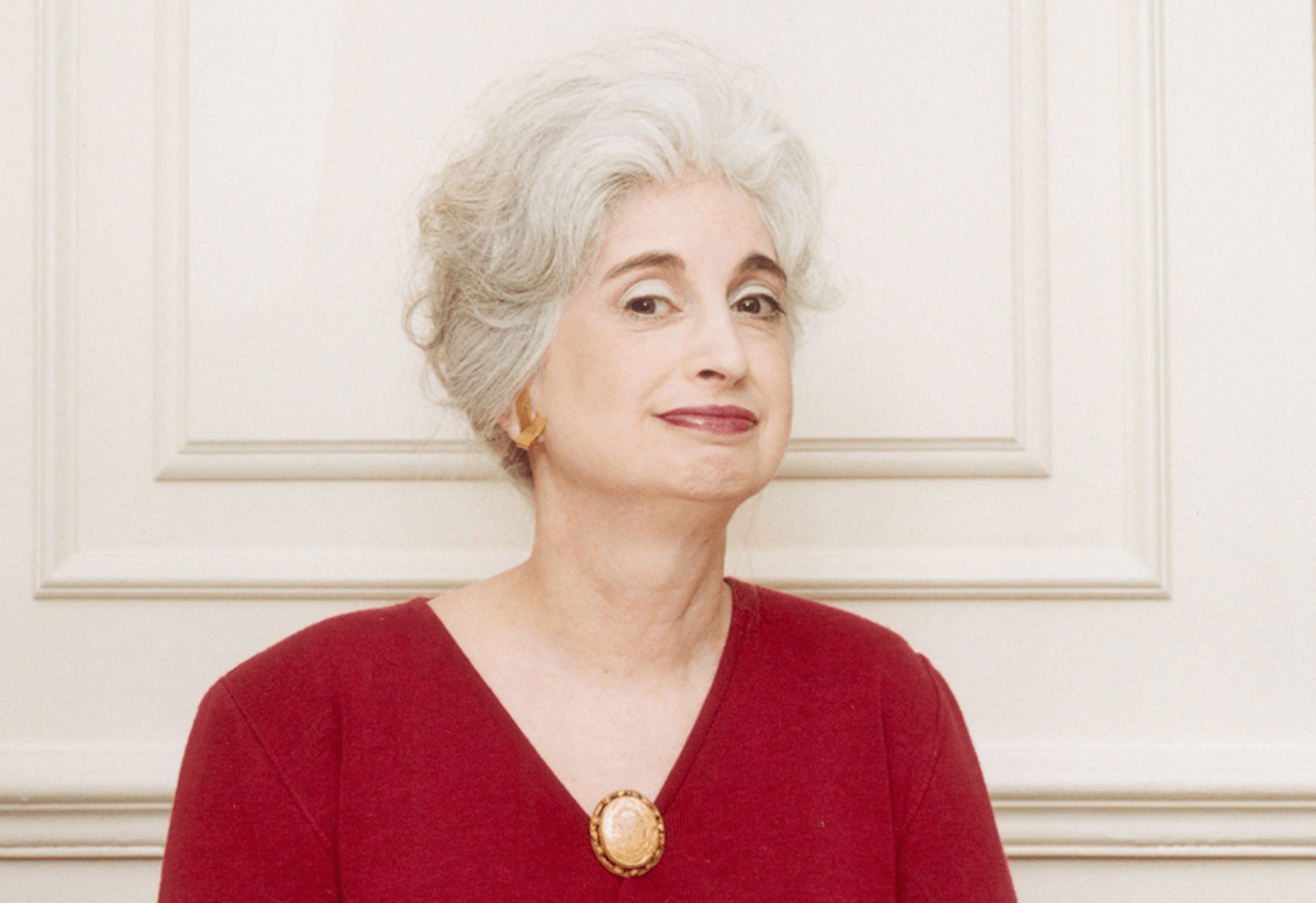
In a world increasingly filled with incivility, etiquette expert Miss Manners addresses the challenges of responding to rudeness in her latest column. A reader expresses frustration over the notion of remaining polite when confronted by unpleasant remarks. The reader suggests that sometimes it feels necessary to retaliate with equal rudeness to convey a message.
Miss Manners, known for her insights on social behavior, firmly disagrees. She argues that engaging in retaliatory behavior only contributes to a cycle of unpleasantness. Instead, she advocates for rising above the petty insults and emphasizes the importance of maintaining one’s dignity.
Responding to Rudeness with Grace
The reader provides a hypothetical scenario where an individual responds to a stranger’s insult about their weight with a harsh comeback. Miss Manners counters this approach by questioning the effectiveness of such retaliation. She explains that responding with aggression rarely leads to introspection on the part of the original offender.
Instead, she proposes a more dignified response: simply ignoring the rude comments. According to Miss Manners, the ultimate insult to someone behaving poorly is to refuse to acknowledge their existence. This method not only avoids escalating the situation but also allows individuals to maintain their composure and self-respect.
Social Etiquette: Avoiding Controversial Topics
In another inquiry, a reader asks about topics to avoid in polite conversation. Miss Manners identifies three key subjects that should generally be avoided: politics, religion, and sex, including discussions on gender. She highlights that these topics often lead to heated debates and can easily disrupt social harmony.
Furthermore, a reader seeks clarification on formal dining etiquette, specifically regarding the use of bread plates and the sequence of courses. Miss Manners confirms that traditional etiquette dictates the use of bread plates, positioned to the left of the charger, and acknowledges that the serving of salad usually follows the main course.
However, she notes that dining customs have evolved, particularly with the rise of restaurant dining. Many social gatherings now occur in restaurants, where the practices of fine dining have influenced commonly accepted etiquette. In restaurants, guests often receive bread and salad to quell their hunger while waiting for their orders, diverging from traditional home dining practices.
As social norms continue to shift, Miss Manners encourages readers to reflect on their manners and adapt while still upholding the essence of respect and civility in all interactions.
Miss Manners invites readers to submit their questions through her website or email for further guidance on navigating the complexities of modern etiquette. Her insights serve as a reminder that maintaining decorum can be both challenging and essential in fostering pleasant social interactions.

Cosmic Mystery Deepens: Where Are the Universe’s Defects?

Lady Bulldogs Shine in Postseason Awards Following Final Four Run

CALV Hosts Essential Class for Local Real Estate Professionals

Urgent Alert: “Spaving” Surges as Shoppers Overspend Online

Jefferies Initiates Coverage on Insmed with “Buy” Rating

Three Dog Night to Perform with Ambrosia at Mayo Civic Center

Urgent Announcement: Charles M. Payment Passes Away at 78

Houston Education Foundation Donates $4,592 for Student Programs

Beeks Financial Cloud Shares Drop 7% Amid Increased Trading Volume

Foreign Inflows into Japan Stocks Surge to ¥1.34 Trillion

University of Hawaiʻi Joins $25.6M AI Project to Monitor Disasters

Sydney Sweeney Embraces Body Positivity Amid Hollywood Challenges

Hudson Williams Gains Popularity as Breakout Star on Heated Rivalry

Urgent Farewell: Joleen Chaney Leaves Legacy at KFOR

Boeing’s Merger with McDonnell Douglas: A Strategic Move Explained

$1.25M Grant Advances Hawaiʻi’s Real-Time Hazard Monitoring

Derrick Dove and ABAC Band Set for Free Americana Concert

Bodybuilder Eugene Teo Transitions to Mindful Movement for Health
-
Business9 months ago
Foreign Inflows into Japan Stocks Surge to ¥1.34 Trillion
-
Science9 months ago
University of Hawaiʻi Joins $25.6M AI Project to Monitor Disasters
-
 Entertainment9 months ago
Sydney Sweeney Embraces Body Positivity Amid Hollywood Challenges
-
 Entertainment8 months ago
Hudson Williams Gains Popularity as Breakout Star on Heated Rivalry
-
 Top Stories9 months ago
Urgent Farewell: Joleen Chaney Leaves Legacy at KFOR
-
 World9 months ago
Boeing’s Merger with McDonnell Douglas: A Strategic Move Explained
-
 Science8 months ago
$1.25M Grant Advances Hawaiʻi’s Real-Time Hazard Monitoring
-
 Entertainment8 months ago
Derrick Dove and ABAC Band Set for Free Americana Concert
-
 Health6 months ago
Bodybuilder Eugene Teo Transitions to Mindful Movement for Health
-

 Top Stories9 months ago
BOYNEXTDOOR’s Jaehyun Faces Backlash Amid BTS-TWICE Controversy
-

 World7 months ago
San Francisco Airport to Host 16 Nonstop Airlines to Europe in 2026
-

 Top Stories7 months ago
National Coast Guard Museum Set to Open in 2027 After Funding Secured