
Politics
Navigating Military Ethics in Autonomous Warfare Technology

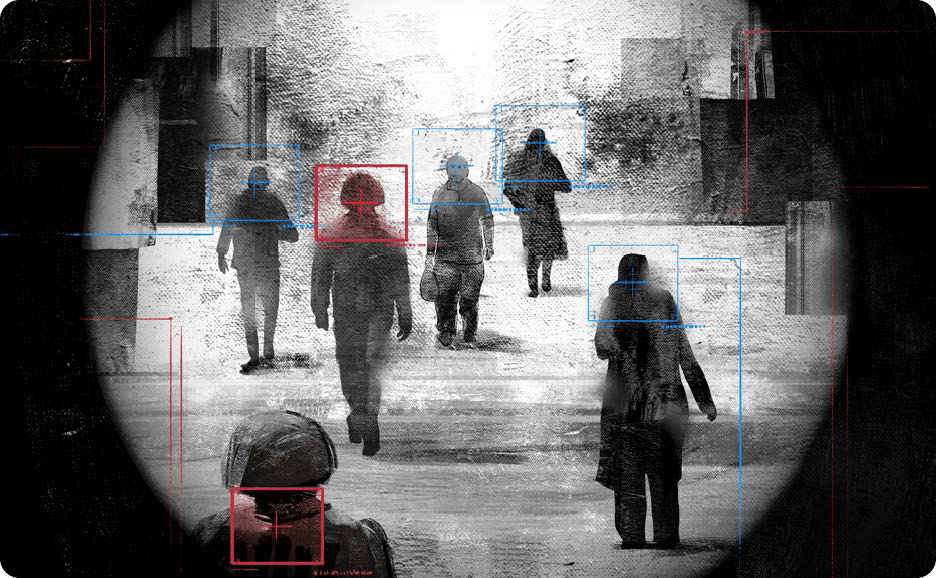
The conversation surrounding the ethics of autonomous warfare is gaining momentum, particularly as military technologies continue to evolve. In a recent podcast, Nathan Wood, author of “Bombs, Bots, and the Principle of Distinction: The Law of Armed Conflict and Contemporary Warfare,” discussed the principle of distinction in the context of autonomous systems. Wood emphasized the necessity of addressing specific legal and operational realities rather than getting lost in broad debates about technology.
Wood’s insights highlight the dual challenge of integrating advanced military technologies while ensuring accountability and human oversight. He argues that while concerns regarding autonomous systems are valid, it is crucial for military institutions to focus on how these technologies can be effectively and ethically implemented.
Operationalizing Human Responsibility
This perspective is echoed in a recent article by Bill Edwards in the Small Wars Journal, titled “Disciplined Autonomy: How AI and sUAS Will Redefine Security, Safety, Emergency Response, and Military Operations.” Edwards posits that the real challenge lies not in the existence of autonomous systems but in the structuring of human oversight. He stresses that institutions must ensure that the rapid capabilities offered by machine assistance do not diminish accountability.
Both Wood and Edwards call for a framework that enables the US military to incorporate advanced systems while maintaining a critical human element in decision-making processes. The focus on preserving human responsibility is crucial in the operational landscape, particularly as the implications of autonomous warfare continue to unfold.
Mitigating Risks in Military AI
As advancements in artificial intelligence reshape military operations, the necessity for a clear understanding of legal and operational frameworks becomes paramount. Wood’s conversation underscores the importance of translating legal principles into practical applications that can guide military use of autonomous systems.
The ongoing dialogue reflects broader concerns within the military community about the implications of deploying autonomous technologies. Ensuring that human operators remain “in the loop” is fundamental to maintaining ethical standards in warfare. This approach may help address the fears surrounding the potential misuse of such technologies.
The integration of these systems presents both opportunities and challenges. As military leaders navigate this complex terrain, the insights from experts like Wood and Edwards provide valuable guidance. Their emphasis on accountability and human oversight serves as a reminder that as technology advances, the ethical considerations of its use must be a priority.
The discussion around the principle of distinction in the age of autonomous warfare is not merely academic; it has real-world implications for military operations and policy. As the US military continues to advance its capabilities, it must do so with a commitment to ethical principles that prioritize human responsibility in the use of force.

Cosmic Mystery Deepens: Where Are the Universe’s Defects?

Lady Bulldogs Shine in Postseason Awards Following Final Four Run

CALV Hosts Essential Class for Local Real Estate Professionals

Urgent Alert: “Spaving” Surges as Shoppers Overspend Online

Jefferies Initiates Coverage on Insmed with “Buy” Rating

Three Dog Night to Perform with Ambrosia at Mayo Civic Center

Urgent Announcement: Charles M. Payment Passes Away at 78

Houston Education Foundation Donates $4,592 for Student Programs

Beeks Financial Cloud Shares Drop 7% Amid Increased Trading Volume

Foreign Inflows into Japan Stocks Surge to ¥1.34 Trillion

University of Hawaiʻi Joins $25.6M AI Project to Monitor Disasters

Sydney Sweeney Embraces Body Positivity Amid Hollywood Challenges

Hudson Williams Gains Popularity as Breakout Star on Heated Rivalry

Urgent Farewell: Joleen Chaney Leaves Legacy at KFOR

Boeing’s Merger with McDonnell Douglas: A Strategic Move Explained

$1.25M Grant Advances Hawaiʻi’s Real-Time Hazard Monitoring

Derrick Dove and ABAC Band Set for Free Americana Concert

BOYNEXTDOOR’s Jaehyun Faces Backlash Amid BTS-TWICE Controversy
-
Business9 months ago
Foreign Inflows into Japan Stocks Surge to ¥1.34 Trillion
-
Science8 months ago
University of Hawaiʻi Joins $25.6M AI Project to Monitor Disasters
-
 Entertainment9 months ago
Sydney Sweeney Embraces Body Positivity Amid Hollywood Challenges
-
 Entertainment7 months ago
Hudson Williams Gains Popularity as Breakout Star on Heated Rivalry
-
 Top Stories8 months ago
Urgent Farewell: Joleen Chaney Leaves Legacy at KFOR
-
 World9 months ago
Boeing’s Merger with McDonnell Douglas: A Strategic Move Explained
-
 Science7 months ago
$1.25M Grant Advances Hawaiʻi’s Real-Time Hazard Monitoring
-
 Entertainment8 months ago
Derrick Dove and ABAC Band Set for Free Americana Concert
-
 Top Stories9 months ago
BOYNEXTDOOR’s Jaehyun Faces Backlash Amid BTS-TWICE Controversy
-

 Health6 months ago
Bodybuilder Eugene Teo Transitions to Mindful Movement for Health
-

 World6 months ago
San Francisco Airport to Host 16 Nonstop Airlines to Europe in 2026
-

 Top Stories7 months ago
National Coast Guard Museum Set to Open in 2027 After Funding Secured