
Politics
National Park Service Revises Free Admission Days, Causing Outcry

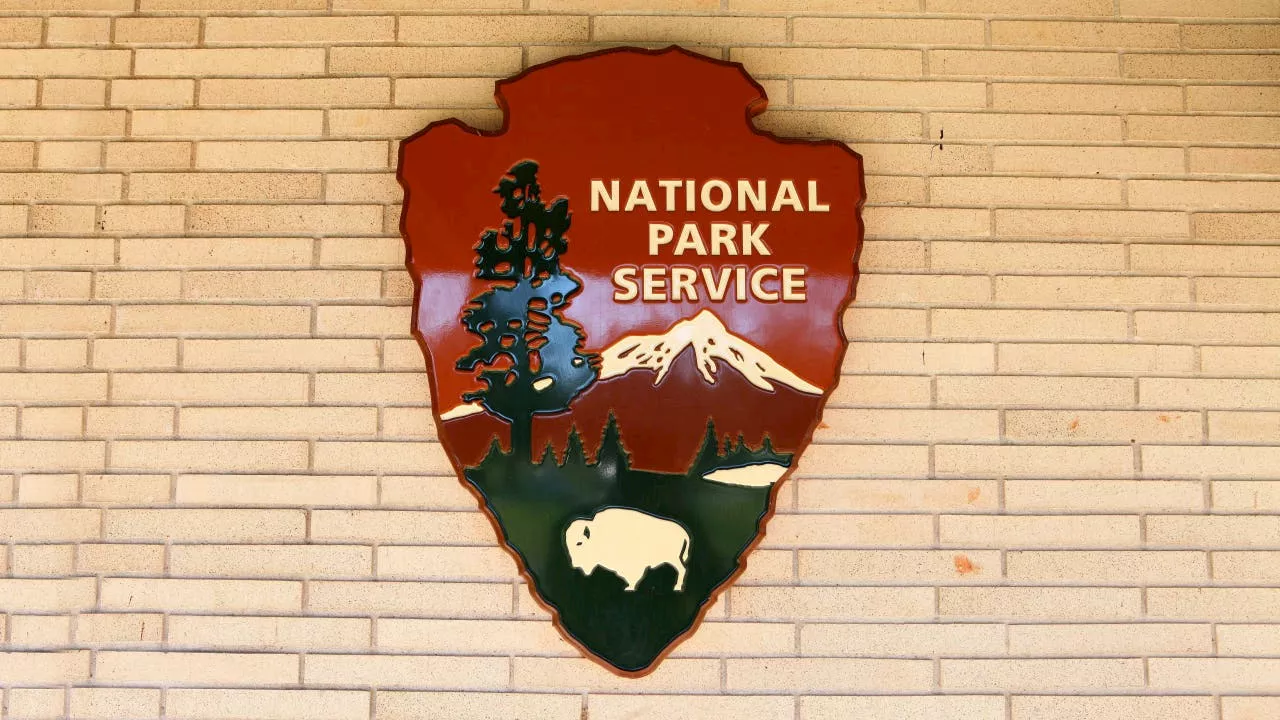
The National Park Service (NPS) has announced significant changes to its free admission days for 2026, eliminating two prominent civil rights holidays while adding President Donald Trump’s birthday. The decision has elicited strong reactions from civil rights advocates and Democratic lawmakers, who view it as a concerning shift in the recognition of historical significance.
Effective in 2026, the NPS will no longer offer free entry to U.S. residents on Martin Luther King Jr. Day or Juneteenth. Both dates are critical in American history; Martin Luther King Jr. Day honors the civil rights leader’s legacy, while Juneteenth commemorates the emancipation of enslaved individuals in the United States. In contrast, the NPS will provide free admission on June 14, the birthday of President Trump, which coincides with Flag Day.
This revision to the admission schedule marks a departure from the NPS’s traditional practice of aligning free entry days with significant national holidays. According to the NPS’s history, most free admission days have reflected events or figures of considerable historical and cultural importance. The changes for 2026 are part of an ongoing pattern, as presidential administrations frequently adjust the list of free access days to national parks.
Civil rights leaders have expressed strong opposition to the removal of Martin Luther King Jr. Day and Juneteenth from the list of free admission days. Kristen Brengel, a spokesperson for the National Parks Conservation Association, highlighted the importance of these dates, particularly the community service initiatives that take place on Martin Luther King Jr. Day. She emphasized that the day serves as an opportunity for various organizations to engage in volunteer projects within national parks.
Senator Catherine Cortez Masto of Nevada criticized the decision, stating, “The President didn’t just add his own birthday to the list, he removed both of these holidays that mark Black Americans’ struggle for civil rights and freedom. Our country deserves better.” This sentiment echoes among many who are concerned that the changes undermine the recognition of significant historical events.
The NPS has not yet provided a detailed rationale for these alterations, and a spokesperson did not immediately respond to inquiries regarding the decision. The announcement follows a broader trend of increasing access fees for international visitors to national parks, which is also under consideration by the NPS.
Starting next year, foreign tourists will face a fee of $250 for an annual pass or a $100 surcharge at 11 major parks, while U.S. residents will maintain the $80 annual pass rate. The Interior Department asserts that these changes aim to ensure affordable access for Americans while generating revenue to support park maintenance through international visitor fees.
As the National Park Service implements these changes, the impact on public perception and use of national parks remains to be seen. The decision has sparked a broader conversation about the values reflected in federal policies and the importance of honoring significant cultural and historical milestones.

Cosmic Mystery Deepens: Where Are the Universe’s Defects?

Lady Bulldogs Shine in Postseason Awards Following Final Four Run

CALV Hosts Essential Class for Local Real Estate Professionals

Urgent Alert: “Spaving” Surges as Shoppers Overspend Online

Jefferies Initiates Coverage on Insmed with “Buy” Rating

Three Dog Night to Perform with Ambrosia at Mayo Civic Center

Urgent Announcement: Charles M. Payment Passes Away at 78

Houston Education Foundation Donates $4,592 for Student Programs

Beeks Financial Cloud Shares Drop 7% Amid Increased Trading Volume

Foreign Inflows into Japan Stocks Surge to ¥1.34 Trillion

University of Hawaiʻi Joins $25.6M AI Project to Monitor Disasters

Sydney Sweeney Embraces Body Positivity Amid Hollywood Challenges

Hudson Williams Gains Popularity as Breakout Star on Heated Rivalry

Urgent Farewell: Joleen Chaney Leaves Legacy at KFOR

Boeing’s Merger with McDonnell Douglas: A Strategic Move Explained

$1.25M Grant Advances Hawaiʻi’s Real-Time Hazard Monitoring

Derrick Dove and ABAC Band Set for Free Americana Concert

BOYNEXTDOOR’s Jaehyun Faces Backlash Amid BTS-TWICE Controversy
-
Business9 months ago
Foreign Inflows into Japan Stocks Surge to ¥1.34 Trillion
-
Science9 months ago
University of Hawaiʻi Joins $25.6M AI Project to Monitor Disasters
-
 Entertainment9 months ago
Sydney Sweeney Embraces Body Positivity Amid Hollywood Challenges
-
 Entertainment7 months ago
Hudson Williams Gains Popularity as Breakout Star on Heated Rivalry
-
 Top Stories8 months ago
Urgent Farewell: Joleen Chaney Leaves Legacy at KFOR
-
 World9 months ago
Boeing’s Merger with McDonnell Douglas: A Strategic Move Explained
-
 Science7 months ago
$1.25M Grant Advances Hawaiʻi’s Real-Time Hazard Monitoring
-
 Entertainment8 months ago
Derrick Dove and ABAC Band Set for Free Americana Concert
-
 Top Stories9 months ago
BOYNEXTDOOR’s Jaehyun Faces Backlash Amid BTS-TWICE Controversy
-

 Health6 months ago
Bodybuilder Eugene Teo Transitions to Mindful Movement for Health
-

 World6 months ago
San Francisco Airport to Host 16 Nonstop Airlines to Europe in 2026
-

 Top Stories7 months ago
National Coast Guard Museum Set to Open in 2027 After Funding Secured