
Politics
Egypt and Saudi Arabia Revive $4 Billion Moses Bridge Project

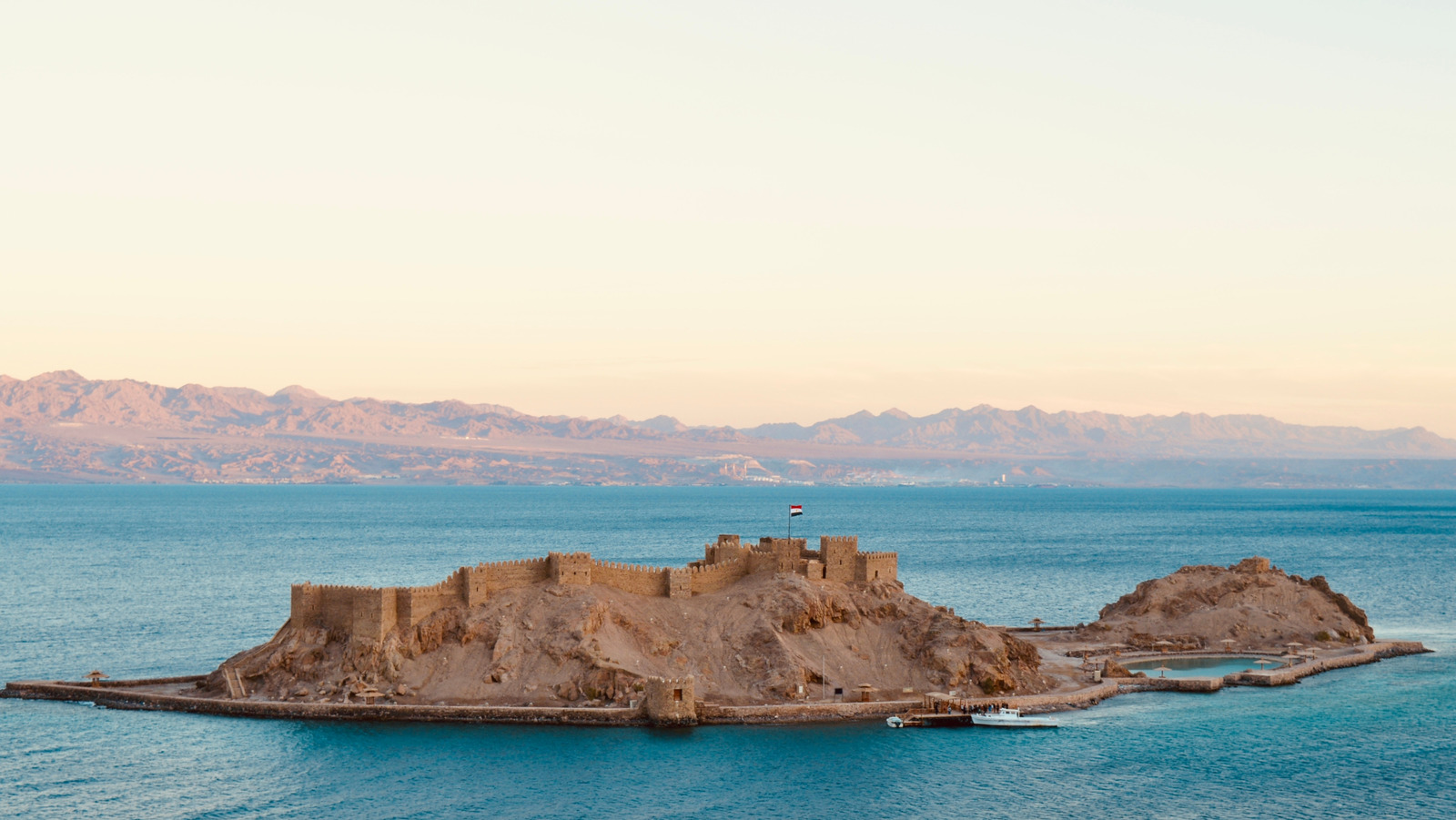
Plans to construct a significant bridge between Egypt and Saudi Arabia are back on the table, with a projected cost of $4 billion. The bridge, known informally as the Moses Bridge, aims to establish a crucial land connection between Asia and Africa. This ambitious project, first suggested in the 1980s, was revived during a visit by Saudi King Salman to Egypt in 2016.
The proposed bridge would span approximately 32 kilometers (20 miles) across the Red Sea, connecting the popular Egyptian resort of Sharm El-Sheikh to Saudi Arabia’s mainland at Ras Al-Sheikh Hamid. This crossing would not only enhance trade routes but also symbolize a new chapter in regional connectivity, similar to the undersea communication cables critical to global digital infrastructure.
Despite the project’s potential benefits, progress has been slow. After a period of silence following King Salman’s announcement, an Egyptian official confirmed in 2025 that plans for construction were still in development. The financing for the bridge is expected to come primarily from Saudi Arabia, underscoring the nation’s commitment to the project.
While the bridge would be one of the longest in the world, it would not rank among the absolute longest bridges globally. Nonetheless, its significance lies in creating a usable land route between Africa and Asia. Currently, the only physical connection is through the borders of Egypt, Israel, and Palestine, with limited trade facilitated by the open Taba border crossing. The Moses Bridge aims to rectify the existing limitations, providing Egypt and Saudi Arabia with a robust trade link and enabling the rest of Africa to access Asia more conveniently.
The strategic location of the bridge near Sharm El-Sheikh offers additional importance. Just off the coast lies Tiran Island, which the bridge would pass through before reaching Saudi Arabia. Notably, this area is also part of Saudi Arabia’s ambitious NEOM project, a $500 billion urban development initiative. The bridge could significantly enhance NEOM’s prospects by establishing direct access from Africa.
Despite the excitement surrounding the revival of the Moses Bridge, obstacles remain. As of early 2026, no concrete plans have been detailed by either government, apart from the announcement that the project is back on track. Additionally, Israel has previously expressed concerns about the bridge, which could pose further geopolitical challenges.
In summary, while the Moses Bridge project holds the potential to transform trade and connectivity between Africa and Asia, the path forward remains uncertain. The next steps will likely depend on overcoming both financial and political hurdles to bring this vision to fruition.

Cosmic Mystery Deepens: Where Are the Universe’s Defects?

Lady Bulldogs Shine in Postseason Awards Following Final Four Run

CALV Hosts Essential Class for Local Real Estate Professionals

Urgent Alert: “Spaving” Surges as Shoppers Overspend Online

Jefferies Initiates Coverage on Insmed with “Buy” Rating

Three Dog Night to Perform with Ambrosia at Mayo Civic Center

Urgent Announcement: Charles M. Payment Passes Away at 78

Houston Education Foundation Donates $4,592 for Student Programs

Beeks Financial Cloud Shares Drop 7% Amid Increased Trading Volume

Foreign Inflows into Japan Stocks Surge to ¥1.34 Trillion

University of Hawaiʻi Joins $25.6M AI Project to Monitor Disasters

Sydney Sweeney Embraces Body Positivity Amid Hollywood Challenges

Hudson Williams Gains Popularity as Breakout Star on Heated Rivalry

Urgent Farewell: Joleen Chaney Leaves Legacy at KFOR

Boeing’s Merger with McDonnell Douglas: A Strategic Move Explained

$1.25M Grant Advances Hawaiʻi’s Real-Time Hazard Monitoring

Derrick Dove and ABAC Band Set for Free Americana Concert

BOYNEXTDOOR’s Jaehyun Faces Backlash Amid BTS-TWICE Controversy
-
Business9 months ago
Foreign Inflows into Japan Stocks Surge to ¥1.34 Trillion
-
Science9 months ago
University of Hawaiʻi Joins $25.6M AI Project to Monitor Disasters
-
 Entertainment9 months ago
Sydney Sweeney Embraces Body Positivity Amid Hollywood Challenges
-
 Entertainment8 months ago
Hudson Williams Gains Popularity as Breakout Star on Heated Rivalry
-
 Top Stories9 months ago
Urgent Farewell: Joleen Chaney Leaves Legacy at KFOR
-
 World9 months ago
Boeing’s Merger with McDonnell Douglas: A Strategic Move Explained
-
 Science8 months ago
$1.25M Grant Advances Hawaiʻi’s Real-Time Hazard Monitoring
-
 Entertainment8 months ago
Derrick Dove and ABAC Band Set for Free Americana Concert
-
 Top Stories9 months ago
BOYNEXTDOOR’s Jaehyun Faces Backlash Amid BTS-TWICE Controversy
-

 Health6 months ago
Bodybuilder Eugene Teo Transitions to Mindful Movement for Health
-

 World6 months ago
San Francisco Airport to Host 16 Nonstop Airlines to Europe in 2026
-

 Top Stories7 months ago
National Coast Guard Museum Set to Open in 2027 After Funding Secured