
Politics
Americans Divided Over U.S. Military Action in Venezuela

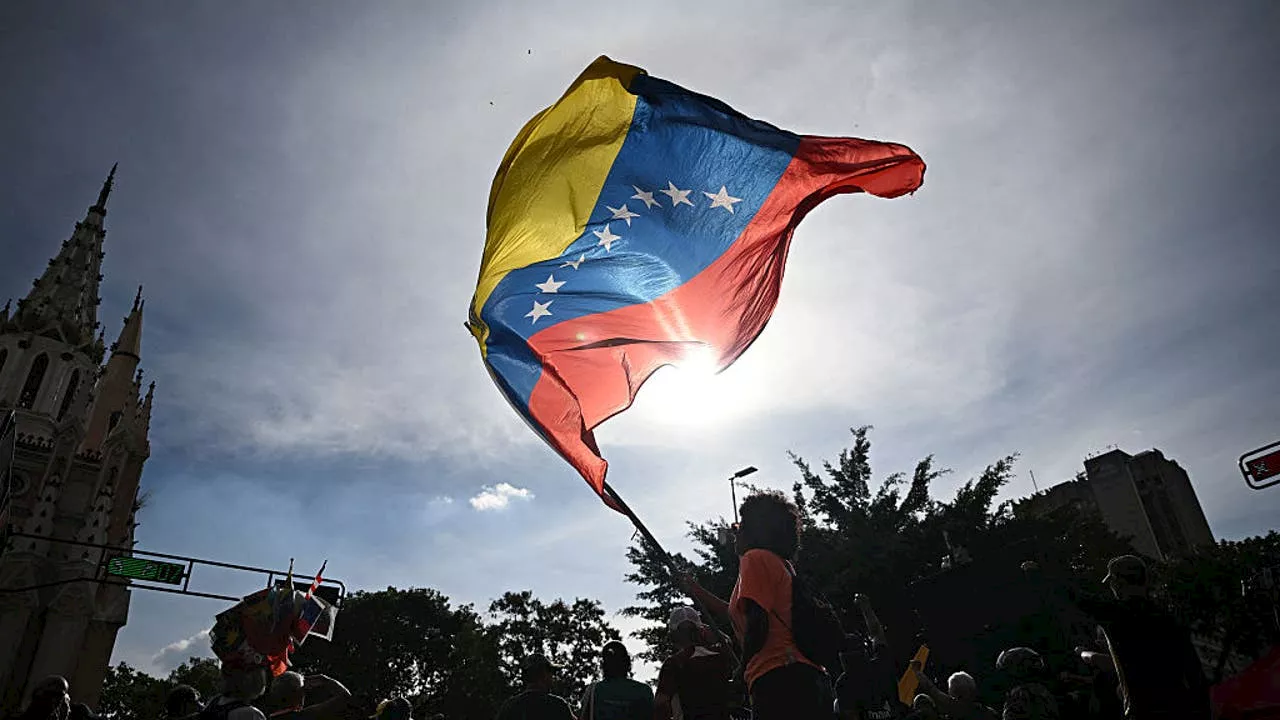
Polling data indicates a significant divide among Americans regarding the prospect of deeper U.S. intervention in Venezuela, particularly the potential military capture of President Nicolás Maduro. Despite some initial backing from Republican factions for military action, a substantial portion of the public remains skeptical about the implications and objectives of such involvement.
In a recent survey conducted by The Washington Post and SSRS, approximately 40% of respondents approved of a U.S. military operation to capture Maduro, while a similar percentage opposed the idea. About 20% were undecided. The polling reflects a broader reluctance among Americans to support direct U.S. involvement in choosing Venezuela’s future leadership, with nearly half of those surveyed, or 45%, against the U.S. taking control of the country.
Republicans showed a more favorable stance towards military action, with approximately half supporting intervention, contrasted by significant opposition from Democrats. This split underscores the complexities of U.S. foreign policy in the region, particularly as President Donald Trump has asserted a vague intention for the U.S. to “run” Venezuela following Maduro’s ouster, prompting concerns over a lack of clarity in administration plans.
Concerns about the feasibility of U.S. intervention surfaced during discussions on Capitol Hill, where lawmakers expressed skepticism regarding the administration’s preparedness to govern Venezuela post-Maduro. Many critics, including Senator Chuck Schumer, have voiced apprehension about potential violations of Venezuelan sovereignty without proper Congressional approval.
In December 2023, another poll by Quinnipiac revealed that about 60% of registered voters opposed military action in Venezuela, indicating a consistent trend of hesitation among the electorate. The implications of U.S. military involvement raise pressing questions about the future governance of Venezuela and the restoration of its struggling economy.
Trump’s comments regarding the U.S. role in Venezuela have been perceived as contradictory. His administration has suggested at times that the U.S. would assume authority over Venezuelan governance, while at other times, Secretary of State Marco Rubio indicated that subordinates of Maduro would remain in power, creating confusion about the U.S. strategy.
Current U.S. officials have indicated that if there were plans for a U.S. occupation or the establishment of an interim governing authority, such discussions were limited to a small group of political allies. Many expressed uncertainty about the administration’s internal preparations and decision-making processes related to Venezuela.
On March 4, 2024, Maduro appeared in a New York City court, pleading not guilty to federal drug trafficking charges. He asserted his position as “the constitutional president of my country” during the proceedings, which highlighted the tensions surrounding his capture and the allegations against him. A 25-page indictment accuses Maduro and his associates of complicity in drug trafficking and related crimes, which could result in severe penalties if convicted.
As the situation unfolds, it remains essential for Americans to consider the implications of U.S. intervention in Venezuela and the potential impact on both countries. Public opinion will likely play a crucial role in shaping future U.S. foreign policy decisions in the region.

Cosmic Mystery Deepens: Where Are the Universe’s Defects?

Lady Bulldogs Shine in Postseason Awards Following Final Four Run

CALV Hosts Essential Class for Local Real Estate Professionals

Urgent Alert: “Spaving” Surges as Shoppers Overspend Online

Jefferies Initiates Coverage on Insmed with “Buy” Rating

Three Dog Night to Perform with Ambrosia at Mayo Civic Center

Urgent Announcement: Charles M. Payment Passes Away at 78

Houston Education Foundation Donates $4,592 for Student Programs

Beeks Financial Cloud Shares Drop 7% Amid Increased Trading Volume

Foreign Inflows into Japan Stocks Surge to ¥1.34 Trillion

University of Hawaiʻi Joins $25.6M AI Project to Monitor Disasters

Sydney Sweeney Embraces Body Positivity Amid Hollywood Challenges

Hudson Williams Gains Popularity as Breakout Star on Heated Rivalry

Urgent Farewell: Joleen Chaney Leaves Legacy at KFOR

Boeing’s Merger with McDonnell Douglas: A Strategic Move Explained

$1.25M Grant Advances Hawaiʻi’s Real-Time Hazard Monitoring

Derrick Dove and ABAC Band Set for Free Americana Concert

BOYNEXTDOOR’s Jaehyun Faces Backlash Amid BTS-TWICE Controversy
-
Business9 months ago
Foreign Inflows into Japan Stocks Surge to ¥1.34 Trillion
-
Science9 months ago
University of Hawaiʻi Joins $25.6M AI Project to Monitor Disasters
-
 Entertainment9 months ago
Sydney Sweeney Embraces Body Positivity Amid Hollywood Challenges
-
 Entertainment7 months ago
Hudson Williams Gains Popularity as Breakout Star on Heated Rivalry
-
 Top Stories8 months ago
Urgent Farewell: Joleen Chaney Leaves Legacy at KFOR
-
 World9 months ago
Boeing’s Merger with McDonnell Douglas: A Strategic Move Explained
-
 Science7 months ago
$1.25M Grant Advances Hawaiʻi’s Real-Time Hazard Monitoring
-
 Entertainment8 months ago
Derrick Dove and ABAC Band Set for Free Americana Concert
-
 Top Stories9 months ago
BOYNEXTDOOR’s Jaehyun Faces Backlash Amid BTS-TWICE Controversy
-

 Health6 months ago
Bodybuilder Eugene Teo Transitions to Mindful Movement for Health
-

 World6 months ago
San Francisco Airport to Host 16 Nonstop Airlines to Europe in 2026
-

 Top Stories7 months ago
National Coast Guard Museum Set to Open in 2027 After Funding Secured