
Lifestyle
Visual Journalism Highlights: A Year of Impactful Stories

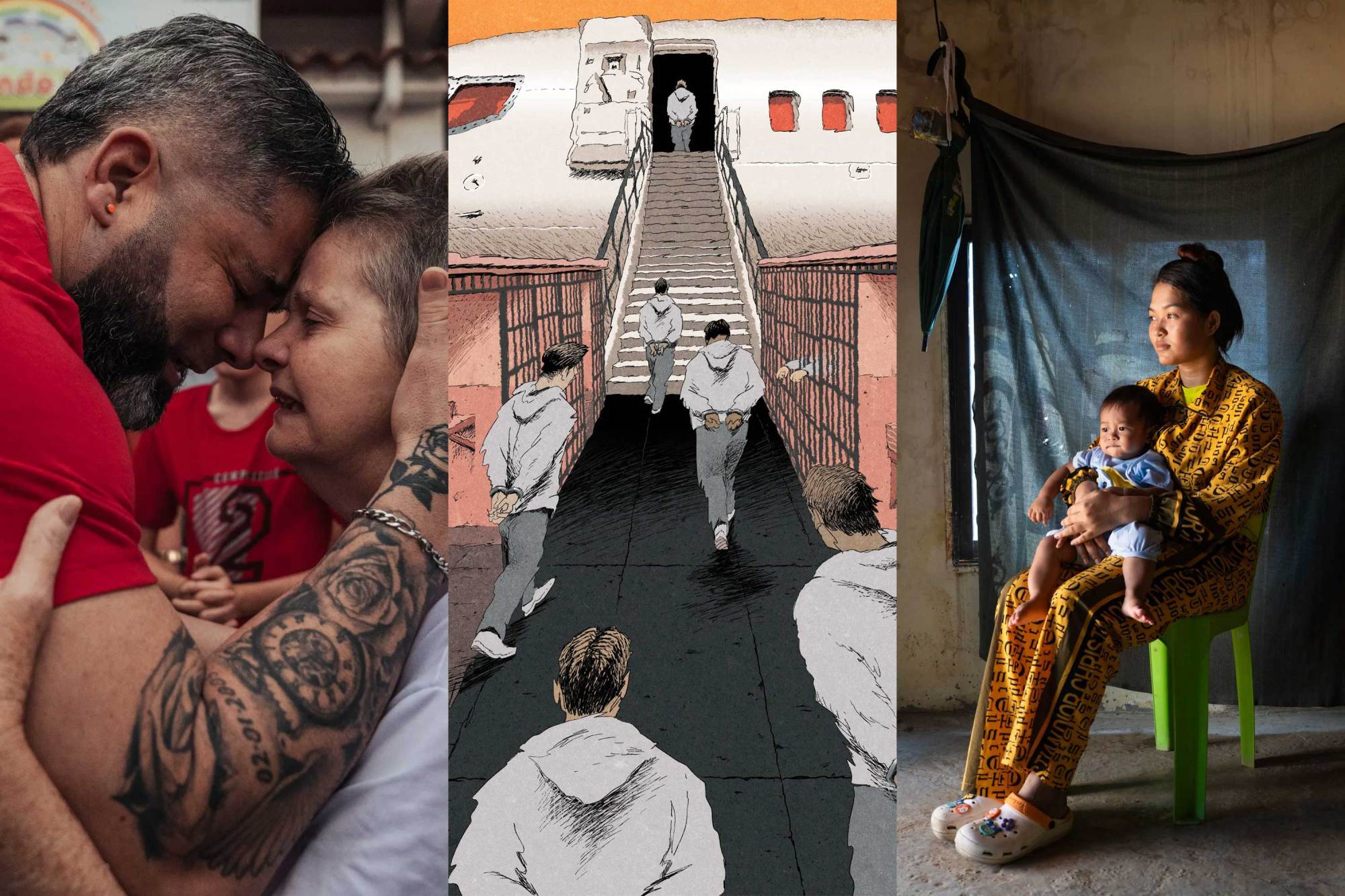
Throughout the past year, visual journalism has played a crucial role in highlighting pressing social issues and injustices. From the struggles of factory workers in Cambodia to the challenges faced by veterans in the United States, various stories have shed light on the human experiences behind complex narratives. This compilation reflects the remarkable work done by talented individuals in the field, emphasizing the power of visual storytelling.
Key Stories from the Year
One significant piece, created by Paul Windle, examined the use of AI prompts related to DOGE and its impact on contracts concerning veterans’ health. The investigation revealed how technology can both aid and complicate the delivery of essential services. In another notable report, Sarahbeth Maney documented the stark contrast between claims made by Nike about worker wages and the reality faced by employees in a Cambodian factory, where only 1% earned nearly double the minimum wage.
The year also brought attention to the treatment of U.S. citizens detained by immigration agents, where reports indicated that over 170 individuals experienced extreme measures, including being kicked and dragged. This unsettling reality was captured in powerful imagery, further emphasized by the photo editing work of Cengiz Yar.
In addition, several visual narratives delved into the broader implications of government policies. One striking illustration by Lisa Larson-Walker focused on the alarming rise in deaths among homeless individuals in Portland, despite claims of increased investment in their safety. The visual representation served to highlight the disconnect between policy intentions and real-world outcomes.
Creative Contributions and Collaborations
The collaborative efforts of various artists and editors have been instrumental in creating compelling visual stories. For instance, Anna Donlan led the design and development for the project titled “Sick in a Hospital Town,” which explored the impact of healthcare disparities in specific communities. Meanwhile, illustrations and graphics by Lucas Waldron and Shoshana Gordon enhanced multiple stories, providing visual context that enriched the narratives.
Notable projects included an in-depth look at the effects of the Trump administration’s foreign aid cuts. The visual storytelling department, led by senior editor Boyzell Hosey, ensured that these stories not only informed but also moved audiences. One report featured the dire consequences of these cuts, illustrating how families struggled to survive amid reduced support.
The creative process involved numerous contributors, including videographers like Gerardo del Valle and Katie Campbell, who captured the emotional weight of these stories through impactful filming and editing. Their work ensured that each narrative resonated deeply with viewers, making the stories more relatable and urgent.
As the year comes to a close, it is evident that visual journalism continues to be a powerful tool for advocacy and awareness. The stories produced have not only documented significant events but have also sparked discussions on vital issues. The commitment of the individuals involved in these projects reflects a dedication to truth and a desire to elevate underrepresented voices.
In summary, the past year has seen a plethora of impactful visual journalism that challenges narratives and invites viewers to engage with critical social issues. Through the lens of talented artists and the collaboration of dedicated teams, these stories have captured the essence of human experience, ensuring that the voices of those affected are heard and understood.

Cosmic Mystery Deepens: Where Are the Universe’s Defects?

Lady Bulldogs Shine in Postseason Awards Following Final Four Run

CALV Hosts Essential Class for Local Real Estate Professionals

Urgent Alert: “Spaving” Surges as Shoppers Overspend Online

Jefferies Initiates Coverage on Insmed with “Buy” Rating

Three Dog Night to Perform with Ambrosia at Mayo Civic Center

Urgent Announcement: Charles M. Payment Passes Away at 78

Houston Education Foundation Donates $4,592 for Student Programs

Beeks Financial Cloud Shares Drop 7% Amid Increased Trading Volume

Foreign Inflows into Japan Stocks Surge to ¥1.34 Trillion

University of Hawaiʻi Joins $25.6M AI Project to Monitor Disasters

Sydney Sweeney Embraces Body Positivity Amid Hollywood Challenges

Hudson Williams Gains Popularity as Breakout Star on Heated Rivalry

Urgent Farewell: Joleen Chaney Leaves Legacy at KFOR

Boeing’s Merger with McDonnell Douglas: A Strategic Move Explained

$1.25M Grant Advances Hawaiʻi’s Real-Time Hazard Monitoring

Derrick Dove and ABAC Band Set for Free Americana Concert

BOYNEXTDOOR’s Jaehyun Faces Backlash Amid BTS-TWICE Controversy
-
Business9 months ago
Foreign Inflows into Japan Stocks Surge to ¥1.34 Trillion
-
Science9 months ago
University of Hawaiʻi Joins $25.6M AI Project to Monitor Disasters
-
 Entertainment9 months ago
Sydney Sweeney Embraces Body Positivity Amid Hollywood Challenges
-
 Entertainment7 months ago
Hudson Williams Gains Popularity as Breakout Star on Heated Rivalry
-
 Top Stories8 months ago
Urgent Farewell: Joleen Chaney Leaves Legacy at KFOR
-
 World9 months ago
Boeing’s Merger with McDonnell Douglas: A Strategic Move Explained
-
 Science7 months ago
$1.25M Grant Advances Hawaiʻi’s Real-Time Hazard Monitoring
-
 Entertainment8 months ago
Derrick Dove and ABAC Band Set for Free Americana Concert
-
 Top Stories9 months ago
BOYNEXTDOOR’s Jaehyun Faces Backlash Amid BTS-TWICE Controversy
-

 Health6 months ago
Bodybuilder Eugene Teo Transitions to Mindful Movement for Health
-

 World6 months ago
San Francisco Airport to Host 16 Nonstop Airlines to Europe in 2026
-
 Top Stories7 months ago
National Coast Guard Museum Set to Open in 2027 After Funding Secured