
Health
Understanding the Satisfying Relief of Bowel Movements

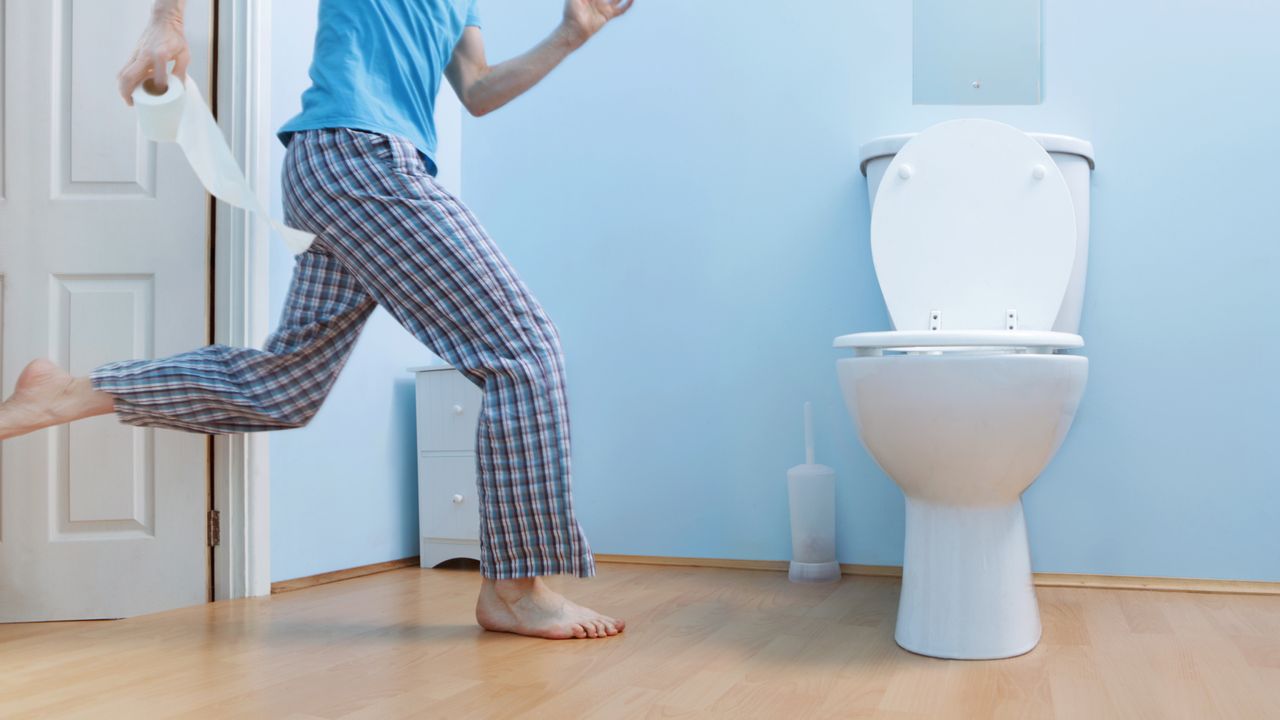
Experiencing a bowel movement often brings a profound sense of relief, but the reasons behind this feeling are not fully understood. According to Dr. Hannibal Person, a pediatric gastroenterologist at Seattle Children’s Hospital, the phenomenon involves a complex interplay of physical, behavioral, and psychological factors.
The process begins when the bowels fill, triggering nerve endings that send signals to the brain about discomfort due to stretching. This sensation prompts the internal anal sphincter to open involuntarily, while the external sphincter typically holds back the urge. “We can clench our anus, tighten up our pelvic floor, even flex other muscles, like our hamstring, to kind of hold things back,” Dr. Person explained. As pressure builds, it becomes increasingly difficult to resist the call of the bathroom.
Neurological Responses to Bowel Movements
The relief experienced after a bowel movement is not just physical. Functional MRI studies have shown that areas of the brain, including the anterior cingulate gyrus and the insula, respond positively when the discomfort of distension is alleviated. “When you relieve the distension, these regions show a reward response,” noted Dr. Lucinda Harris, a gastroenterologist and motility specialist at the Mayo Clinic Alix School of Medicine in Arizona.
The gut communicates with the brain via the vagus nerve, a major cranial nerve that plays a significant role in regulating bodily functions. When a bowel movement occurs, it stimulates the vagus nerve, which can lead to a decrease in blood pressure and heart rate, contributing to a feeling of relaxation. Dr. Person emphasized that relieving pressure and discomfort can reinforce the behavior in a positive way.
The Role of the Pudendal Nerve
In addition to the vagus nerve, the process may also involve stimulation of the pudendal nerve, which controls pelvic floor tension. Holding back a bowel movement can create tension in the pelvic floor muscles, leading to discomfort. Dr. Harris stressed the importance of learning to relax these muscles, as tension can exacerbate pain and discomfort.
Understanding the mechanisms behind the relief of bowel movements can deepen our knowledge of gastrointestinal health. This knowledge is particularly important as many individuals experience challenges related to bowel function. By exploring the physical and psychological aspects of this common bodily function, experts hope to enhance comfort and promote better health practices.
The satisfaction felt after a bowel movement is a multifaceted experience that highlights the intricate connections between our bodies and minds. As research continues, it may provide further insights into the remarkable processes that govern our everyday lives.

Cosmic Mystery Deepens: Where Are the Universe’s Defects?

Lady Bulldogs Shine in Postseason Awards Following Final Four Run

CALV Hosts Essential Class for Local Real Estate Professionals

Urgent Alert: “Spaving” Surges as Shoppers Overspend Online

Jefferies Initiates Coverage on Insmed with “Buy” Rating

Three Dog Night to Perform with Ambrosia at Mayo Civic Center

Urgent Announcement: Charles M. Payment Passes Away at 78

Houston Education Foundation Donates $4,592 for Student Programs

Beeks Financial Cloud Shares Drop 7% Amid Increased Trading Volume

Foreign Inflows into Japan Stocks Surge to ¥1.34 Trillion

University of Hawaiʻi Joins $25.6M AI Project to Monitor Disasters

Sydney Sweeney Embraces Body Positivity Amid Hollywood Challenges

Hudson Williams Gains Popularity as Breakout Star on Heated Rivalry

Urgent Farewell: Joleen Chaney Leaves Legacy at KFOR

Boeing’s Merger with McDonnell Douglas: A Strategic Move Explained

$1.25M Grant Advances Hawaiʻi’s Real-Time Hazard Monitoring

Derrick Dove and ABAC Band Set for Free Americana Concert

BOYNEXTDOOR’s Jaehyun Faces Backlash Amid BTS-TWICE Controversy
-
Business9 months ago
Foreign Inflows into Japan Stocks Surge to ¥1.34 Trillion
-
Science9 months ago
University of Hawaiʻi Joins $25.6M AI Project to Monitor Disasters
-
 Entertainment9 months ago
Sydney Sweeney Embraces Body Positivity Amid Hollywood Challenges
-
 Entertainment7 months ago
Hudson Williams Gains Popularity as Breakout Star on Heated Rivalry
-
 Top Stories8 months ago
Urgent Farewell: Joleen Chaney Leaves Legacy at KFOR
-
 World9 months ago
Boeing’s Merger with McDonnell Douglas: A Strategic Move Explained
-
 Science7 months ago
$1.25M Grant Advances Hawaiʻi’s Real-Time Hazard Monitoring
-
 Entertainment8 months ago
Derrick Dove and ABAC Band Set for Free Americana Concert
-
 Top Stories9 months ago
BOYNEXTDOOR’s Jaehyun Faces Backlash Amid BTS-TWICE Controversy
-

 Health6 months ago
Bodybuilder Eugene Teo Transitions to Mindful Movement for Health
-

 World6 months ago
San Francisco Airport to Host 16 Nonstop Airlines to Europe in 2026
-

 Top Stories7 months ago
National Coast Guard Museum Set to Open in 2027 After Funding Secured