
Health
Sleep Duration Linked to Life Expectancy, New Study Reveals

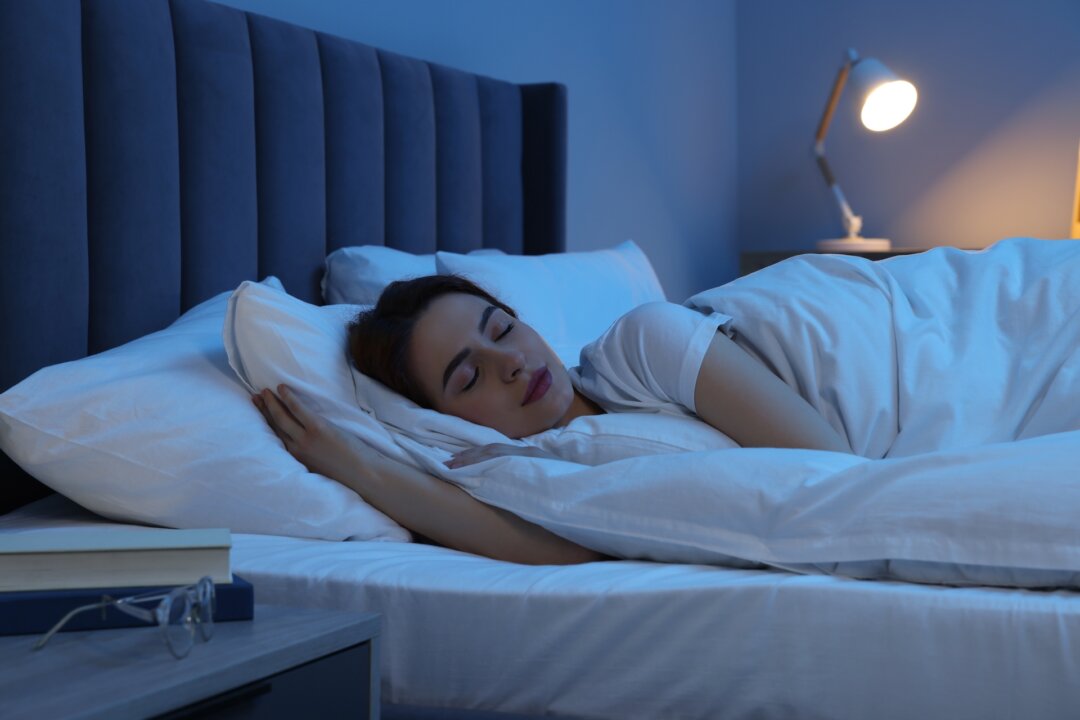
Research from Oregon Health & Science University (OHSU) reveals a compelling link between sleep duration and life expectancy. The study indicates that insufficient sleep can significantly shorten life spans, suggesting that getting the recommended seven to nine hours of rest each night is crucial for longevity. This finding has implications that extend beyond mere fatigue, emphasizing the importance of sleep as a determinant of health.
The study, published in the journal SLEEP Advances, analyzed self-reported sleep durations from residents and compared this data with life expectancy statistics from the Centers for Disease Control and Prevention (CDC). The results showed a strong correlation between the amount of sleep individuals report getting and their overall life expectancy.
Associate Professor Andrew McHill, the senior author of the study, expressed surprise at the strength of this correlation. “I didn’t expect it to be so strongly correlated to life expectancy,” he stated. “We’ve always thought sleep is important, but this research really drives that point home: People really should strive to get seven to nine hours of sleep if at all possible.”
Implications for Health and Lifestyle
The findings underscore that sleep may play a more critical role in determining life span than previously acknowledged factors such as diet and exercise. While maintaining a balanced diet and regular physical activity are essential components of a healthy lifestyle, this research highlights that neglecting sleep could have far-reaching consequences for health and longevity.
The CDC has long advocated for healthy sleep habits, but this study provides additional evidence to support public health initiatives aimed at improving sleep quality. Poor sleep has been linked to various health issues, including cardiovascular disease, obesity, and diabetes, which further emphasizes the need for individuals to prioritize their nightly rest.
As health experts continue to explore the complexities of sleep, this research encourages a broader understanding of its impact on overall health. The emphasis is now placed not just on the quantity of sleep but also on its quality and consistency.
Recommendations for Better Sleep
To achieve the recommended seven to nine hours of sleep, experts suggest several strategies. Establishing a regular sleep schedule, creating a comfortable sleep environment, and minimizing screen time before bed can all contribute to better sleep quality.
Additionally, engaging in relaxation techniques such as deep breathing or meditation may help individuals unwind and prepare for restorative sleep. By adopting these practices, people can improve their sleep habits and potentially enhance their life expectancy.
This research serves as a reminder of the importance of sleep, urging individuals to reflect on their sleep patterns and make necessary adjustments to enhance their health and longevity. The evidence is clear: prioritizing sleep may be one of the simplest yet most effective ways to improve overall well-being and extend life.

Cosmic Mystery Deepens: Where Are the Universe’s Defects?

Lady Bulldogs Shine in Postseason Awards Following Final Four Run

CALV Hosts Essential Class for Local Real Estate Professionals

Urgent Alert: “Spaving” Surges as Shoppers Overspend Online

Jefferies Initiates Coverage on Insmed with “Buy” Rating

Three Dog Night to Perform with Ambrosia at Mayo Civic Center

Urgent Announcement: Charles M. Payment Passes Away at 78

Houston Education Foundation Donates $4,592 for Student Programs

Beeks Financial Cloud Shares Drop 7% Amid Increased Trading Volume

Foreign Inflows into Japan Stocks Surge to ¥1.34 Trillion

University of Hawaiʻi Joins $25.6M AI Project to Monitor Disasters

Sydney Sweeney Embraces Body Positivity Amid Hollywood Challenges

Hudson Williams Gains Popularity as Breakout Star on Heated Rivalry

Urgent Farewell: Joleen Chaney Leaves Legacy at KFOR

Boeing’s Merger with McDonnell Douglas: A Strategic Move Explained

$1.25M Grant Advances Hawaiʻi’s Real-Time Hazard Monitoring

Derrick Dove and ABAC Band Set for Free Americana Concert

BOYNEXTDOOR’s Jaehyun Faces Backlash Amid BTS-TWICE Controversy
-
Business9 months ago
Foreign Inflows into Japan Stocks Surge to ¥1.34 Trillion
-
Science9 months ago
University of Hawaiʻi Joins $25.6M AI Project to Monitor Disasters
-
 Entertainment9 months ago
Sydney Sweeney Embraces Body Positivity Amid Hollywood Challenges
-
 Entertainment7 months ago
Hudson Williams Gains Popularity as Breakout Star on Heated Rivalry
-
 Top Stories8 months ago
Urgent Farewell: Joleen Chaney Leaves Legacy at KFOR
-
 World9 months ago
Boeing’s Merger with McDonnell Douglas: A Strategic Move Explained
-
 Science7 months ago
$1.25M Grant Advances Hawaiʻi’s Real-Time Hazard Monitoring
-
 Entertainment8 months ago
Derrick Dove and ABAC Band Set for Free Americana Concert
-
 Top Stories9 months ago
BOYNEXTDOOR’s Jaehyun Faces Backlash Amid BTS-TWICE Controversy
-

 Health6 months ago
Bodybuilder Eugene Teo Transitions to Mindful Movement for Health
-

 World6 months ago
San Francisco Airport to Host 16 Nonstop Airlines to Europe in 2026
-

 Top Stories7 months ago
National Coast Guard Museum Set to Open in 2027 After Funding Secured