
Health
Senate Rejects Health Proposals, Threatening Affordable Care Act Subsidies

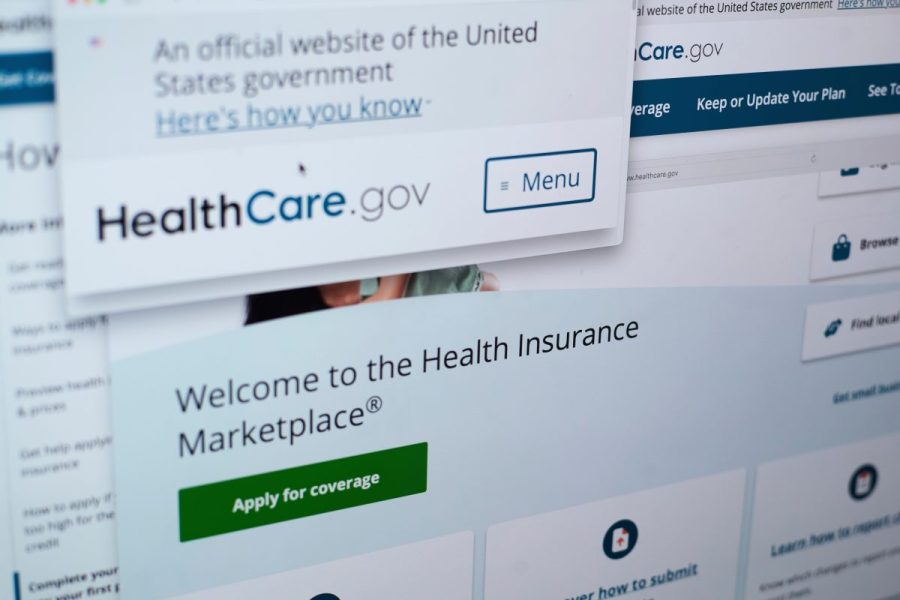
The United States Senate voted against two competing health proposals, a decision that places millions of Americans at risk of significant increases in their health insurance premiums. The rejection comes just weeks before the expiration of subsidies under the Affordable Care Act (ACA), which have been instrumental in making health coverage affordable for many since the law’s enactment in 2010.
As of September 30, 2023, these subsidies will end, resulting in more than doubling premiums for a significant number of Americans who rely on plans associated with the ACA, commonly referred to as “Obamacare.” According to the Congressional Budget Office (CBO), approximately 14 million individuals could be affected by this legislative decision, potentially leading to a dramatic rise in the cost of healthcare for American families.
Impact of the Senate Vote on American Families
The inability of the Senate to pass either of the proposed measures highlights deep divisions within Congress regarding healthcare policy. The first proposal aimed to extend ACA subsidies, while the second sought to implement a new system of tax credits intended to lower health costs. Both proposals failed to garner enough support, leaving many citizens concerned about the implications for their healthcare coverage.
Health and Human Services (HHS) officials have warned that without these subsidies, many Americans will face financial strain. For example, some individuals could see their monthly premiums increase from around $300 to over $600, a burden that could push healthcare out of reach for those already struggling financially.
The expiration of these subsidies raises urgent questions about the future of healthcare in the United States. Many lawmakers argue that the lack of support for the proposals reflects a broader issue within the political landscape, where partisan divides hinder progress on essential issues like health care.
Looking Ahead: The Future of Healthcare Policy
As the deadline approaches, advocacy groups are calling on Congress to reconsider the importance of these subsidies. Organizations dedicated to healthcare reform emphasize that the economic implications of increased premiums will not only affect individual families but also the overall healthcare system. Increased costs may lead to a rise in uninsured rates, ultimately straining emergency services and healthcare facilities.
While the Senate’s decision has dealt a blow to those relying on the ACA, discussions around healthcare reform are expected to continue. Lawmakers will need to navigate the complexities of public sentiment, economic realities, and the pressing need for accessible healthcare solutions as they move forward.
The stakes are high, with millions of Americans watching closely to see how their representatives respond to this pivotal moment in U.S. healthcare policy. As the nation grapples with the fallout from this legislative setback, the conversation surrounding healthcare affordability and accessibility will undoubtedly remain at the forefront of political discourse.

Cosmic Mystery Deepens: Where Are the Universe’s Defects?

Lady Bulldogs Shine in Postseason Awards Following Final Four Run

CALV Hosts Essential Class for Local Real Estate Professionals

Urgent Alert: “Spaving” Surges as Shoppers Overspend Online

Jefferies Initiates Coverage on Insmed with “Buy” Rating

Three Dog Night to Perform with Ambrosia at Mayo Civic Center

Urgent Announcement: Charles M. Payment Passes Away at 78

Houston Education Foundation Donates $4,592 for Student Programs

Beeks Financial Cloud Shares Drop 7% Amid Increased Trading Volume

Foreign Inflows into Japan Stocks Surge to ¥1.34 Trillion

University of Hawaiʻi Joins $25.6M AI Project to Monitor Disasters

Sydney Sweeney Embraces Body Positivity Amid Hollywood Challenges

Hudson Williams Gains Popularity as Breakout Star on Heated Rivalry

Urgent Farewell: Joleen Chaney Leaves Legacy at KFOR

Boeing’s Merger with McDonnell Douglas: A Strategic Move Explained

$1.25M Grant Advances Hawaiʻi’s Real-Time Hazard Monitoring

Derrick Dove and ABAC Band Set for Free Americana Concert

BOYNEXTDOOR’s Jaehyun Faces Backlash Amid BTS-TWICE Controversy
-
Business9 months ago
Foreign Inflows into Japan Stocks Surge to ¥1.34 Trillion
-
Science9 months ago
University of Hawaiʻi Joins $25.6M AI Project to Monitor Disasters
-
 Entertainment9 months ago
Sydney Sweeney Embraces Body Positivity Amid Hollywood Challenges
-
 Entertainment8 months ago
Hudson Williams Gains Popularity as Breakout Star on Heated Rivalry
-
 Top Stories9 months ago
Urgent Farewell: Joleen Chaney Leaves Legacy at KFOR
-
 World9 months ago
Boeing’s Merger with McDonnell Douglas: A Strategic Move Explained
-
 Science8 months ago
$1.25M Grant Advances Hawaiʻi’s Real-Time Hazard Monitoring
-
 Entertainment8 months ago
Derrick Dove and ABAC Band Set for Free Americana Concert
-
 Top Stories9 months ago
BOYNEXTDOOR’s Jaehyun Faces Backlash Amid BTS-TWICE Controversy
-

 Health6 months ago
Bodybuilder Eugene Teo Transitions to Mindful Movement for Health
-

 World6 months ago
San Francisco Airport to Host 16 Nonstop Airlines to Europe in 2026
-

 Top Stories7 months ago
National Coast Guard Museum Set to Open in 2027 After Funding Secured