
Health
Mother Fights for Son’s Health After Missed Diagnosis

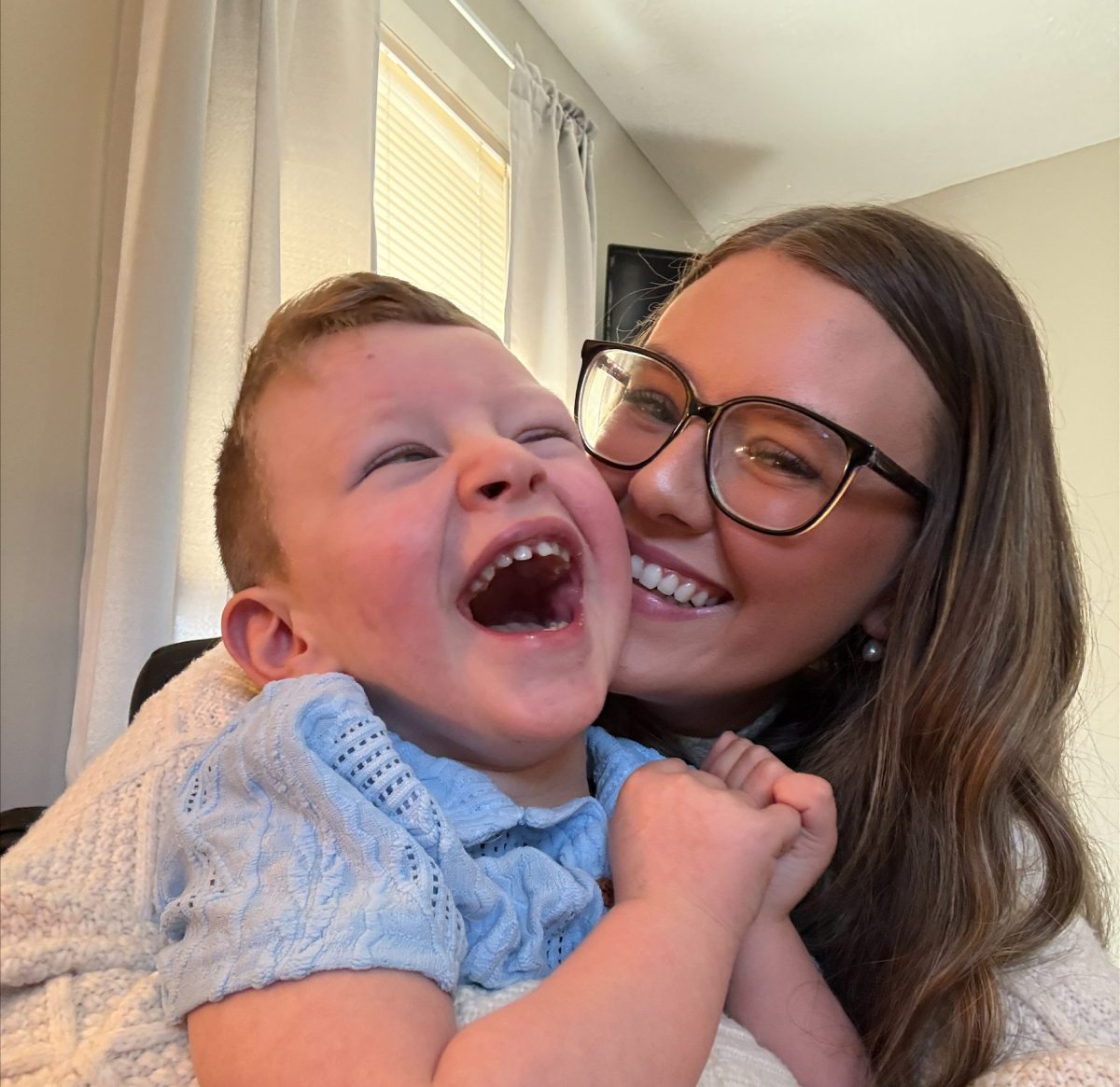
When Easton was just 13 months old, his mother faced a heartbreaking reality: her son’s health issues were not simply due to “new-parent anxiety,” as previously suggested by his pediatrician. After months of frustration and unfulfilled developmental milestones, a new doctor quickly identified serious concerns that would change their lives forever.
At 19, Easton’s mother welcomed him into the world after a healthy pregnancy and delivery at 37 weeks. Despite a difficult childhood and limited family support, she was determined to provide Easton with everything she had missed growing up. However, shortly after bringing him home, she began to experience severe postpartum anxiety, fixating on Easton’s well-being.
Initially, Easton displayed concerning symptoms, including purple legs and shaking, which his pediatrician dismissed as “immature” behavior. As Easton reached three months, he had not begun to grasp objects, show head control, or meet other developmental milestones. Each visit to the doctor left Easton’s mother increasingly anxious, as her notes detailing his symptoms were met with reassurances that he simply needed time.
By the time Easton was nine months old, the situation became dire. His mother expressed her concerns again, noting he was not sitting up or even rolling over. The pediatrician’s response—that he simply needed therapy—did little to ease her worries. Feeling unheard, she sought a second opinion within the same practice.
The new pediatrician’s assessment was swift and alarming. Within minutes, he stated, “Something is wrong with Easton’s brain. You need to see a specialist.” This referral to Cincinnati Children’s Hospital, located approximately two and a half hours from their home in central Kentucky, would be the first step towards understanding Easton’s condition.
After undergoing bloodwork, an MRI, and an EEG, Easton was diagnosed with cortical dysplasia, which indicated improper brain development. The implications were grave; the attending physician warned that Easton would likely experience seizures as he grew older. Tragically, just hours after receiving this news, Easton had his first seizure at home.
Following a harrowing night that included multiple seizures and a desperate call for emergency assistance, Easton was stabilized and diagnosed with epilepsy. His treatment began immediately, and since that day, his seizures have been controlled through medication.
In a shocking turn of events, a month later, genetic testing revealed that Easton has Joubert syndrome, a rare genetic disorder affecting brain development. This diagnosis was met with disbelief and despair from his parents, who quickly transitioned from shock to determination. They realized their shared genetic background as carriers of this rare condition, which is seldom seen in couples.
Now, at three years old, Easton’s mother has become his primary caregiver, navigating the complexities of his condition daily. She tracks his therapy sessions, which include physical, occupational, and speech therapy. Despite significant challenges, including Easton’s inability to sit up or roll over, she remains hopeful. Easton’s ability to say “mama” has become a beacon of promise for his future.
Reflecting on their journey, Easton’s mother acknowledges the grief that sometimes overwhelms her. The reality of her child’s condition often feels heavy, especially when observing other children achieving milestones that Easton has yet to reach. Yet, she finds solace in Easton’s joyful spirit, stating, “His whole personality is joy. Each morning, he wakes up smiling.”
To connect with others facing similar challenges, she has begun sharing their story on social media platforms like TikTok. Her goal is to raise awareness about disability and encourage parents to trust their instincts when it comes to their children’s health. “We have to advocate for our children. Until Easton is able, I’ll be his voice,” she emphasizes.
This personal account sheds light on the necessity of listening to parental concerns and the importance of thorough medical evaluations. Easton’s journey has not only transformed his mother’s life but also highlighted the resilience of families navigating the complexities of rare medical conditions.

Cosmic Mystery Deepens: Where Are the Universe’s Defects?

Lady Bulldogs Shine in Postseason Awards Following Final Four Run

CALV Hosts Essential Class for Local Real Estate Professionals

Urgent Alert: “Spaving” Surges as Shoppers Overspend Online

Jefferies Initiates Coverage on Insmed with “Buy” Rating

Three Dog Night to Perform with Ambrosia at Mayo Civic Center

Urgent Announcement: Charles M. Payment Passes Away at 78

Houston Education Foundation Donates $4,592 for Student Programs

Beeks Financial Cloud Shares Drop 7% Amid Increased Trading Volume

Foreign Inflows into Japan Stocks Surge to ¥1.34 Trillion

University of Hawaiʻi Joins $25.6M AI Project to Monitor Disasters

Sydney Sweeney Embraces Body Positivity Amid Hollywood Challenges

Hudson Williams Gains Popularity as Breakout Star on Heated Rivalry

Urgent Farewell: Joleen Chaney Leaves Legacy at KFOR

Boeing’s Merger with McDonnell Douglas: A Strategic Move Explained

$1.25M Grant Advances Hawaiʻi’s Real-Time Hazard Monitoring

Derrick Dove and ABAC Band Set for Free Americana Concert

BOYNEXTDOOR’s Jaehyun Faces Backlash Amid BTS-TWICE Controversy
-
Business9 months ago
Foreign Inflows into Japan Stocks Surge to ¥1.34 Trillion
-
Science8 months ago
University of Hawaiʻi Joins $25.6M AI Project to Monitor Disasters
-
 Entertainment9 months ago
Sydney Sweeney Embraces Body Positivity Amid Hollywood Challenges
-
 Entertainment7 months ago
Hudson Williams Gains Popularity as Breakout Star on Heated Rivalry
-
 Top Stories8 months ago
Urgent Farewell: Joleen Chaney Leaves Legacy at KFOR
-
 World9 months ago
Boeing’s Merger with McDonnell Douglas: A Strategic Move Explained
-
 Science7 months ago
$1.25M Grant Advances Hawaiʻi’s Real-Time Hazard Monitoring
-
 Entertainment8 months ago
Derrick Dove and ABAC Band Set for Free Americana Concert
-
 Top Stories9 months ago
BOYNEXTDOOR’s Jaehyun Faces Backlash Amid BTS-TWICE Controversy
-

 Health6 months ago
Bodybuilder Eugene Teo Transitions to Mindful Movement for Health
-

 World6 months ago
San Francisco Airport to Host 16 Nonstop Airlines to Europe in 2026
-

 Top Stories7 months ago
National Coast Guard Museum Set to Open in 2027 After Funding Secured