
Health
Minnesota Governor Unveils Anti-Fraud Bill After Medicaid Funding Halt

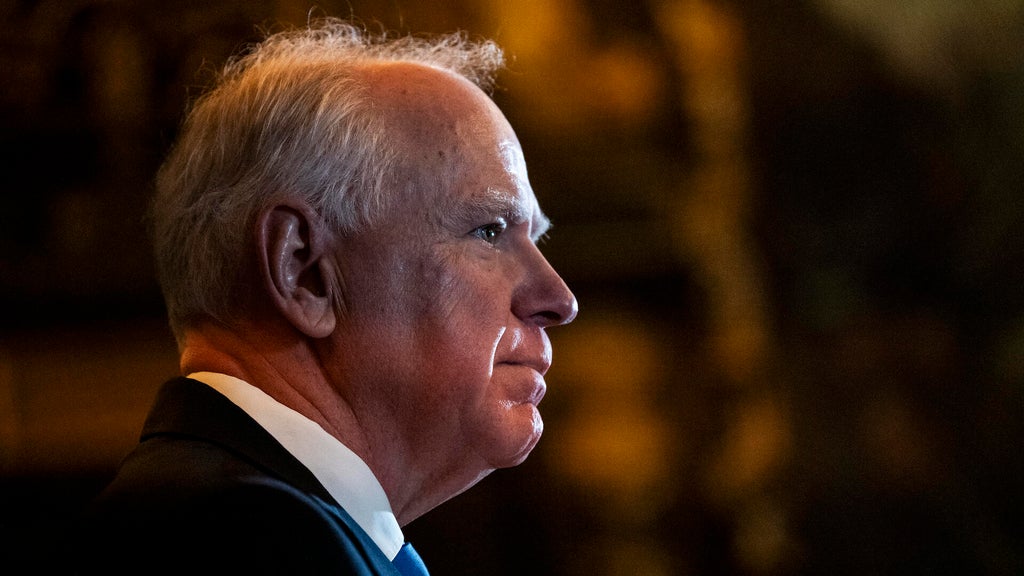
Democratic Governor Tim Walz of Minnesota is set to introduce a comprehensive anti-fraud legislative package on March 14, 2024. This initiative follows the announcement that the federal government has suspended $259 million in Medicaid payments to the state due to concerns over fraudulent activities. The new legislation aims to enhance the prevention, detection, and accountability measures regarding fraud within the state’s Medicaid program.
The decision to halt the federal funds was made public by Vice President JD Vance and Dr. Mehmet Oz, the Administrator of the Centers for Medicare and Medicaid Services, during a press conference on March 13, 2024. Federal officials indicated that payments will remain suspended until Minnesota can present a comprehensive action plan addressing its fraud issues. This move is part of a broader national effort to combat the misuse of public funds, spurred by high-profile fraud cases in the state, including the controversial Feeding Our Future scandal.
Vance emphasized that the federal government’s actions are focused on holding state officials accountable rather than impacting the individuals who rely on Medicaid services. He stated, “All we need the governor and administration of Minnesota to do is something quite simple: show when they’re giving Medicaid funds to somebody that they’re taking seriously the funds that you’re providing.” He further expressed that the current situation reflects a severe lack of oversight in disbursing substantial financial resources.
In response to the funding suspension, Governor Walz took to social media, characterizing the federal actions as a “campaign of retribution” against Minnesota. He criticized the federal government for allegedly targeting “blue states” like Minnesota for punitive measures. Walz warned that these funding cuts could have devastating effects on vulnerable groups, including veterans, families with young children, individuals with disabilities, and working citizens across the state.
Shireen Gandhi, the Commissioner of the Minnesota Department of Human Services, echoed Walz’s concerns, labeling the funding halt as a “broad and sustained attack.” She stressed that the deferral of $259 million would significantly disrupt the state’s healthcare infrastructure and adversely affect the approximately 1.2 million Minnesotans who depend on Medicaid services.
Federal officials have established a timeline, giving Minnesota 60 days to respond to the funding concerns and demonstrate a viable plan to address the identified fraud issues. The situation continues to evolve, and updates are expected as both state and federal officials navigate this complex challenge.
As Minnesota prepares to tackle these significant issues, the implications of the proposed legislative measures and the federal government’s response will play a crucial role in shaping the future of Medicaid services in the state.

Cosmic Mystery Deepens: Where Are the Universe’s Defects?

Lady Bulldogs Shine in Postseason Awards Following Final Four Run

CALV Hosts Essential Class for Local Real Estate Professionals

Urgent Alert: “Spaving” Surges as Shoppers Overspend Online

Jefferies Initiates Coverage on Insmed with “Buy” Rating

Three Dog Night to Perform with Ambrosia at Mayo Civic Center

Urgent Announcement: Charles M. Payment Passes Away at 78

Houston Education Foundation Donates $4,592 for Student Programs

Beeks Financial Cloud Shares Drop 7% Amid Increased Trading Volume

Foreign Inflows into Japan Stocks Surge to ¥1.34 Trillion

University of Hawaiʻi Joins $25.6M AI Project to Monitor Disasters

Sydney Sweeney Embraces Body Positivity Amid Hollywood Challenges

Hudson Williams Gains Popularity as Breakout Star on Heated Rivalry

Urgent Farewell: Joleen Chaney Leaves Legacy at KFOR

Boeing’s Merger with McDonnell Douglas: A Strategic Move Explained

$1.25M Grant Advances Hawaiʻi’s Real-Time Hazard Monitoring

Derrick Dove and ABAC Band Set for Free Americana Concert

BOYNEXTDOOR’s Jaehyun Faces Backlash Amid BTS-TWICE Controversy
-
Business7 months ago
Foreign Inflows into Japan Stocks Surge to ¥1.34 Trillion
-
Science7 months ago
University of Hawaiʻi Joins $25.6M AI Project to Monitor Disasters
-
 Entertainment7 months ago
Sydney Sweeney Embraces Body Positivity Amid Hollywood Challenges
-
 Entertainment6 months ago
Hudson Williams Gains Popularity as Breakout Star on Heated Rivalry
-
 Top Stories7 months ago
Urgent Farewell: Joleen Chaney Leaves Legacy at KFOR
-
 World7 months ago
Boeing’s Merger with McDonnell Douglas: A Strategic Move Explained
-
 Science6 months ago
$1.25M Grant Advances Hawaiʻi’s Real-Time Hazard Monitoring
-
 Entertainment6 months ago
Derrick Dove and ABAC Band Set for Free Americana Concert
-
 Top Stories7 months ago
BOYNEXTDOOR’s Jaehyun Faces Backlash Amid BTS-TWICE Controversy
-

 Health4 months ago
Bodybuilder Eugene Teo Transitions to Mindful Movement for Health
-

 Health5 months ago
Hartford’s Abandoned Tower Faces Growing Safety Concerns
-

 Top Stories5 months ago
National Coast Guard Museum Set to Open in 2027 After Funding Secured