
Health
Mayo Clinic Uncovers Rare Gene Mutation Linked to Liver Disease

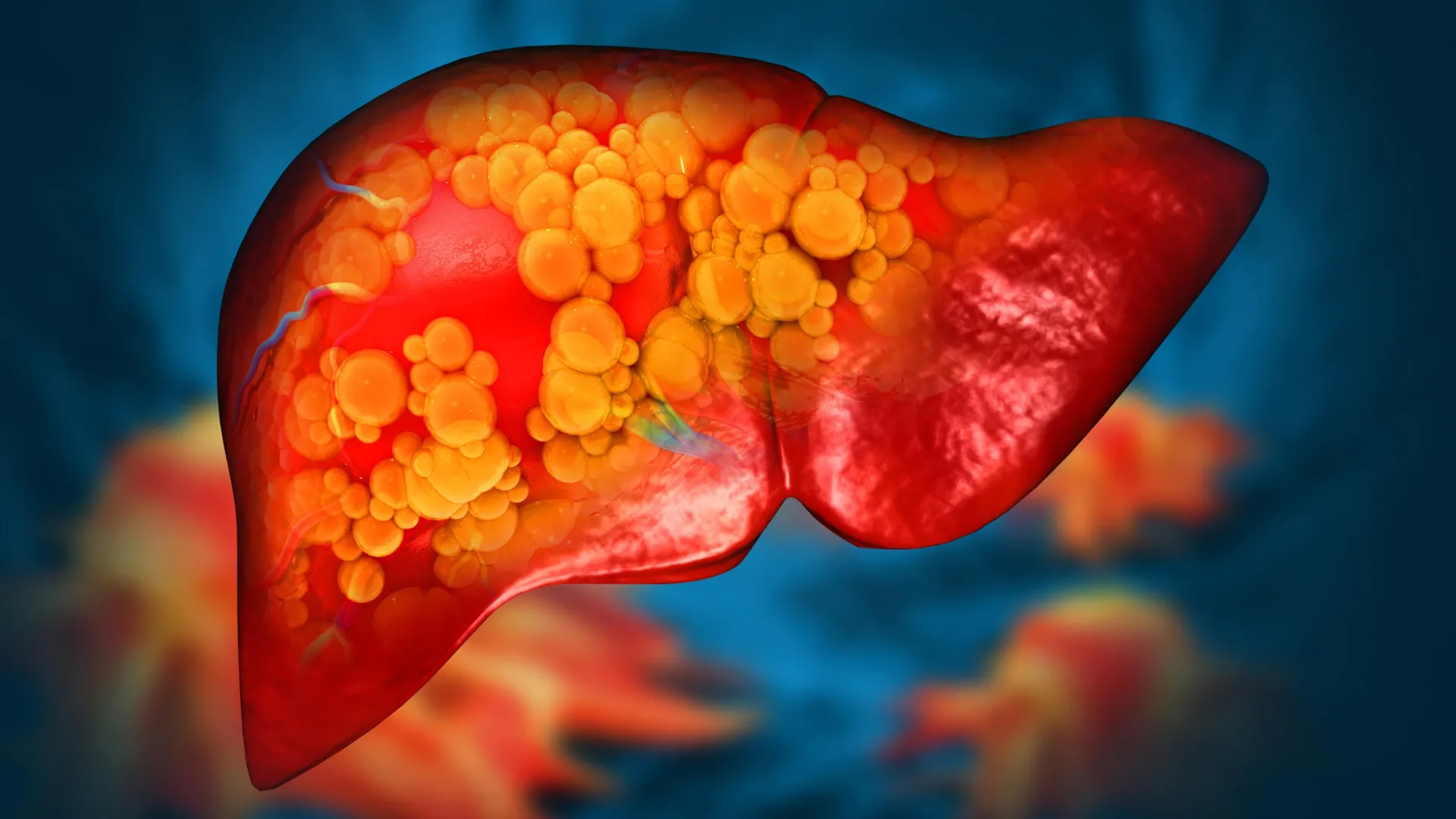
Researchers at the Mayo Clinic have identified a rare mutation in the MET gene that directly causes metabolic dysfunction-associated steatotic liver disease (MASLD), a condition previously linked primarily to lifestyle factors. This groundbreaking discovery, published on March 7, 2026, demonstrates that a single inherited genetic mutation can significantly influence the disease’s development.
The study originated from a case involving a father and daughter diagnosed with MASLD, despite lacking common risk factors such as diabetes or high cholesterol. This anomaly prompted an extensive genomic analysis, leading to the identification of a mutation that impairs the liver’s ability to process fat. Over time, this malfunction results in fat accumulation, potentially leading to inflammation, scarring, and even cirrhosis.
Understanding the Genetic Link
The findings highlight a shift in understanding the origins of MASLD. Previously, the condition was thought to arise from a combination of genetic predisposition and environmental influences. The research, led by Filippo Pinto e Vairo, M.D., Ph.D., medical director of the Program for Rare and Undiagnosed Diseases at the Mayo Clinic’s Center for Individualized Medicine, reveals that certain cases can be traced back to specific genetic alterations.
The mutation in the MET gene disrupts vital biological processes that manage fat metabolism in the liver. A single change in the DNA sequence affects how the liver processes fat, leading to the disease’s progression. This rare variant has not been previously documented in scientific literature or genetic databases, underscoring the uniqueness of this discovery.
“We are learning that rare inherited genetic variants can drive common diseases,” Dr. Pinto e Vairo stated. “This opens new avenues for understanding disease mechanisms and identifying potential therapeutic targets.”
Wider Implications and Future Research
To assess whether similar mutations exist in other patients, researchers turned to the Tapestry study, a large-scale exome sequencing initiative analyzing genetic factors influencing health. This project has gathered data from over 100,000 participants in the United States. Among nearly 4,000 adults with MASLD in the study, approximately 1% were found to carry rare variants in the MET gene, reinforcing the significance of this gene in liver disease.
Konstantinos Lazaridis, M.D., one of the lead authors, emphasized the potential impact of these findings. “This discovery could affect hundreds of thousands, if not millions, of people worldwide with or at risk for MASLD,” he remarked. The Tapestry study plays a crucial role in uncovering hidden genetic factors, contributing to a more nuanced understanding of complex disorders.
The Mayo Clinic researchers plan to conduct further studies to explore how these findings could inform the development of targeted treatments and improve diagnostic methods for MASLD. The implications of this work extend beyond individual cases, highlighting the importance of genomic medicine in unraveling the complexities of rare diseases.
The Program for Rare and Undiagnosed Diseases at Mayo Clinic has already provided comprehensive genomic testing to over 3,200 patients since its inception in 2019. Collaborating with nearly 300 clinicians from various divisions, the program aims to deliver precision diagnostics for hard-to-diagnose conditions, including rare liver diseases.
As genomic medicine continues to advance, the discovery of the MET gene mutation marks a significant step forward in understanding metabolic dysfunction-associated steatotic liver disease and bolstering efforts to develop effective treatments.

Cosmic Mystery Deepens: Where Are the Universe’s Defects?

Lady Bulldogs Shine in Postseason Awards Following Final Four Run

CALV Hosts Essential Class for Local Real Estate Professionals

Urgent Alert: “Spaving” Surges as Shoppers Overspend Online

Jefferies Initiates Coverage on Insmed with “Buy” Rating

Three Dog Night to Perform with Ambrosia at Mayo Civic Center

Urgent Announcement: Charles M. Payment Passes Away at 78

Houston Education Foundation Donates $4,592 for Student Programs

Beeks Financial Cloud Shares Drop 7% Amid Increased Trading Volume

Foreign Inflows into Japan Stocks Surge to ¥1.34 Trillion

University of Hawaiʻi Joins $25.6M AI Project to Monitor Disasters

Sydney Sweeney Embraces Body Positivity Amid Hollywood Challenges

Hudson Williams Gains Popularity as Breakout Star on Heated Rivalry

Urgent Farewell: Joleen Chaney Leaves Legacy at KFOR

Boeing’s Merger with McDonnell Douglas: A Strategic Move Explained

$1.25M Grant Advances Hawaiʻi’s Real-Time Hazard Monitoring

Derrick Dove and ABAC Band Set for Free Americana Concert

BOYNEXTDOOR’s Jaehyun Faces Backlash Amid BTS-TWICE Controversy
-
Business9 months ago
Foreign Inflows into Japan Stocks Surge to ¥1.34 Trillion
-
Science9 months ago
University of Hawaiʻi Joins $25.6M AI Project to Monitor Disasters
-
 Entertainment9 months ago
Sydney Sweeney Embraces Body Positivity Amid Hollywood Challenges
-
 Entertainment7 months ago
Hudson Williams Gains Popularity as Breakout Star on Heated Rivalry
-
 Top Stories8 months ago
Urgent Farewell: Joleen Chaney Leaves Legacy at KFOR
-
 World9 months ago
Boeing’s Merger with McDonnell Douglas: A Strategic Move Explained
-
 Science7 months ago
$1.25M Grant Advances Hawaiʻi’s Real-Time Hazard Monitoring
-
 Entertainment8 months ago
Derrick Dove and ABAC Band Set for Free Americana Concert
-
 Top Stories9 months ago
BOYNEXTDOOR’s Jaehyun Faces Backlash Amid BTS-TWICE Controversy
-

 Health6 months ago
Bodybuilder Eugene Teo Transitions to Mindful Movement for Health
-

 World6 months ago
San Francisco Airport to Host 16 Nonstop Airlines to Europe in 2026
-

 Top Stories7 months ago
National Coast Guard Museum Set to Open in 2027 After Funding Secured