
Health
Major Reviews Confirm HPV Vaccine’s Safety and Efficacy

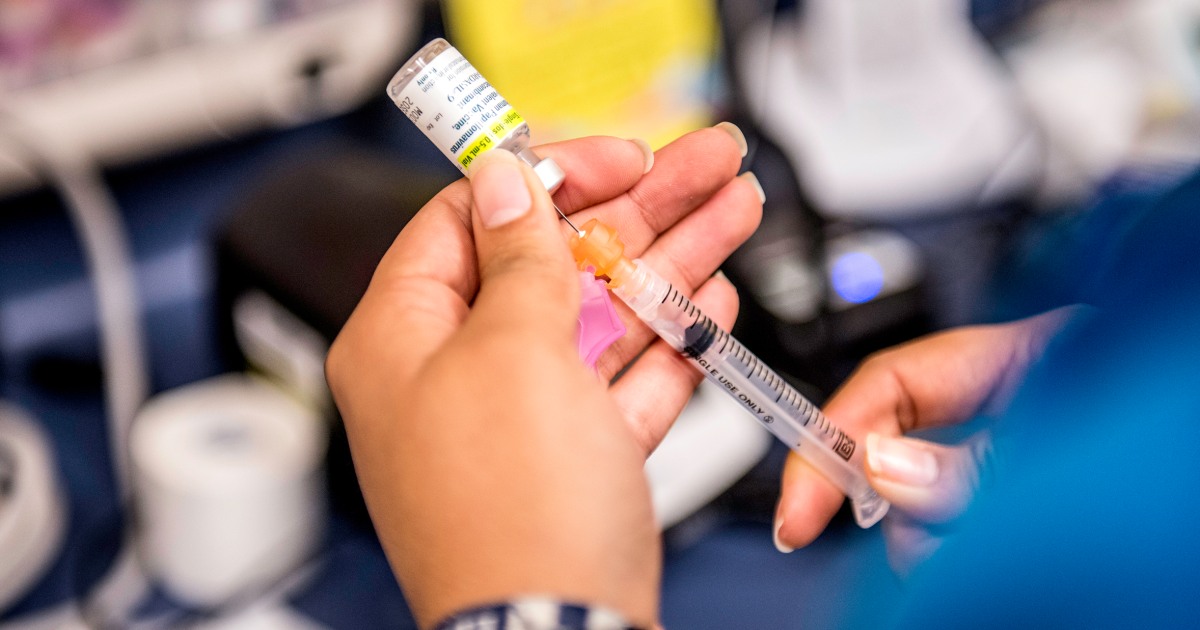
Recent comprehensive reviews have reaffirmed the safety and effectiveness of the HPV vaccine in significantly reducing cervical cancer risk. According to two large studies published by the Cochrane Review team, the vaccine can lower the likelihood of developing cervical cancer by as much as 80% when administered before the age of 16. This data strongly supports the recommendation for routine vaccination of adolescents against human papillomavirus (HPV), which is the most prevalent sexually transmitted infection and a known cause of various cancers.
The reviews encompassed nearly 60 randomized controlled clinical trials involving about 160,000 participants, as well as 225 observational studies that included over 132 million people globally. The findings demonstrated clear evidence that HPV vaccination effectively prevents not only cervical cancer but also precancerous cervical lesions and genital warts.
Dr. Linda Eckert, a professor of obstetrics and gynecology at the University of Washington, emphasized the reliability of the vaccine. “The vaccine works. Full stop,” she stated, adding, “The vaccine is safe. Full stop.” Although Dr. Eckert was not involved in the reviews, she praised their rigor, calling them “methodically rigorous” and “gold standard.”
Real-World Evidence Strengthens Case for HPV Vaccination
The conclusions of these reviews align with recent real-world findings. In late November, an Australian cervical cancer research organization reported an unprecedented milestone: there were no new cervical cancer cases in women under 25 in 2021, a significant change from historical data tracking back to 1982. Similarly, Scotland’s public health agency noted that no new cervical cancer cases were found in women who had received complete vaccinations as youths.
Jo Morrison, the senior author of the Cochrane reviews and a gynecological oncology consultant at Somerset NHS Foundation Trust, highlighted the importance of addressing misinformation surrounding the vaccine. She noted that her team examined various claims circulating on social media, which included assertions that the vaccine could lead to infertility or chronic health issues. “What we found was that the evidence very clearly shows that there’s no association with the various things that people worry about,” Morrison explained. The reviews indicated that serious adverse health outcomes were rare and occurred at similar rates between vaccine and placebo groups.
These findings come amid ongoing scrutiny of childhood immunizations by figures such as Health and Human Services Secretary Robert F. Kennedy Jr.. An anti-vaccine activist, Kennedy has publicly questioned the safety of Gardasil, calling it “the most dangerous vaccine ever” in 2019. During his Senate confirmation hearing, he declined to affirm the vaccine’s safety. The Centers for Disease Control and Prevention (CDC) continues to recommend the vaccination of both boys and girls at ages 11 to 12, ideally before they become sexually active.
Impact of HPV Vaccination on Cervical Cancer Rates
The strains of HPV that Gardasil targets can lead to several types of cancers affecting both men and women, including anal, vulval, oropharyngeal, vaginal, and penile cancers. In the United States, approximately 48,000 cases of cancer linked to HPV are diagnosed annually, including around 13,360 cervical cancer cases. However, since the initiation of HPV vaccination programs, the cervical cancer rate among women in their early 20s has declined by 65% between 2012 and 2019, according to a study by the American Cancer Society.
Morrison pointed out that while the Cochrane reviews successfully demonstrated the vaccine’s capacity to prevent cervical cancer, it remains unclear whether vaccination effectively reduces the incidence of other HPV-related cancers, as these typically take longer to develop.
Anxiety surrounding Gardasil has lingered since its approval in 2006. For instance, Morgan Newman, a 35-year-old survivor from Norwalk, Iowa, declined the vaccine at age 16, believing it was too new and uncertain. Eight years later, she was diagnosed with cervical cancer, which led to extensive treatment and lasting effects, including infertility. Newman now dedicates her life to advocacy, collaborating with Cervivor, a nonprofit focused on cervical cancer awareness.
Despite the overwhelming evidence supporting the vaccine’s safety and efficacy, HPV vaccination rates among adolescents have stagnated in recent years. According to annual CDC survey data, vaccination rates among 13- to 17-year-olds declined from 2022 to 2024, with about 78% of these teens receiving at least one dose and 63% completing the multidose schedule. In contrast, rates for other recommended vaccinations rose above 90% during the same period.
A study published in The Lancet Regional Health in 2024 found that white families and those with higher incomes in the U.S. were less likely to intend to vaccinate their children against HPV, primarily due to safety concerns. Some parents worry that providing a vaccine for a sexually transmitted infection might lead to increased risk-taking behavior among their children, although research from Harvard University has found no evidence to support this notion.
A mother from Seattle, who preferred to remain anonymous for privacy reasons, expressed her initial hesitation about vaccinating her children against HPV, despite her pediatrician’s recommendation. “I remember thinking, well, my kids aren’t sexually active,” she said. “Then I thought, well, I might as well just do it. Let’s cover all the bases.”
The ongoing dialogue around the HPV vaccine highlights the critical need for public education and the dissemination of accurate information to dispel myths and encourage vaccination. As these reviews illustrate, the HPV vaccine remains a vital tool in the fight against cervical cancer and other HPV-related diseases.

Cosmic Mystery Deepens: Where Are the Universe’s Defects?

Lady Bulldogs Shine in Postseason Awards Following Final Four Run

CALV Hosts Essential Class for Local Real Estate Professionals

Urgent Alert: “Spaving” Surges as Shoppers Overspend Online

Jefferies Initiates Coverage on Insmed with “Buy” Rating

Three Dog Night to Perform with Ambrosia at Mayo Civic Center

Urgent Announcement: Charles M. Payment Passes Away at 78

Houston Education Foundation Donates $4,592 for Student Programs

Beeks Financial Cloud Shares Drop 7% Amid Increased Trading Volume

Foreign Inflows into Japan Stocks Surge to ¥1.34 Trillion

University of Hawaiʻi Joins $25.6M AI Project to Monitor Disasters

Sydney Sweeney Embraces Body Positivity Amid Hollywood Challenges

Hudson Williams Gains Popularity as Breakout Star on Heated Rivalry

Urgent Farewell: Joleen Chaney Leaves Legacy at KFOR

Boeing’s Merger with McDonnell Douglas: A Strategic Move Explained

$1.25M Grant Advances Hawaiʻi’s Real-Time Hazard Monitoring

Derrick Dove and ABAC Band Set for Free Americana Concert

BOYNEXTDOOR’s Jaehyun Faces Backlash Amid BTS-TWICE Controversy
-
Business9 months ago
Foreign Inflows into Japan Stocks Surge to ¥1.34 Trillion
-
Science8 months ago
University of Hawaiʻi Joins $25.6M AI Project to Monitor Disasters
-
 Entertainment9 months ago
Sydney Sweeney Embraces Body Positivity Amid Hollywood Challenges
-
 Entertainment7 months ago
Hudson Williams Gains Popularity as Breakout Star on Heated Rivalry
-
 Top Stories8 months ago
Urgent Farewell: Joleen Chaney Leaves Legacy at KFOR
-
 World9 months ago
Boeing’s Merger with McDonnell Douglas: A Strategic Move Explained
-
 Science7 months ago
$1.25M Grant Advances Hawaiʻi’s Real-Time Hazard Monitoring
-
 Entertainment8 months ago
Derrick Dove and ABAC Band Set for Free Americana Concert
-
 Top Stories9 months ago
BOYNEXTDOOR’s Jaehyun Faces Backlash Amid BTS-TWICE Controversy
-

 Health6 months ago
Bodybuilder Eugene Teo Transitions to Mindful Movement for Health
-

 World6 months ago
San Francisco Airport to Host 16 Nonstop Airlines to Europe in 2026
-

 Top Stories7 months ago
National Coast Guard Museum Set to Open in 2027 After Funding Secured