
Health
Kennedy Proposes Changes to Childhood Vaccine Liability Laws

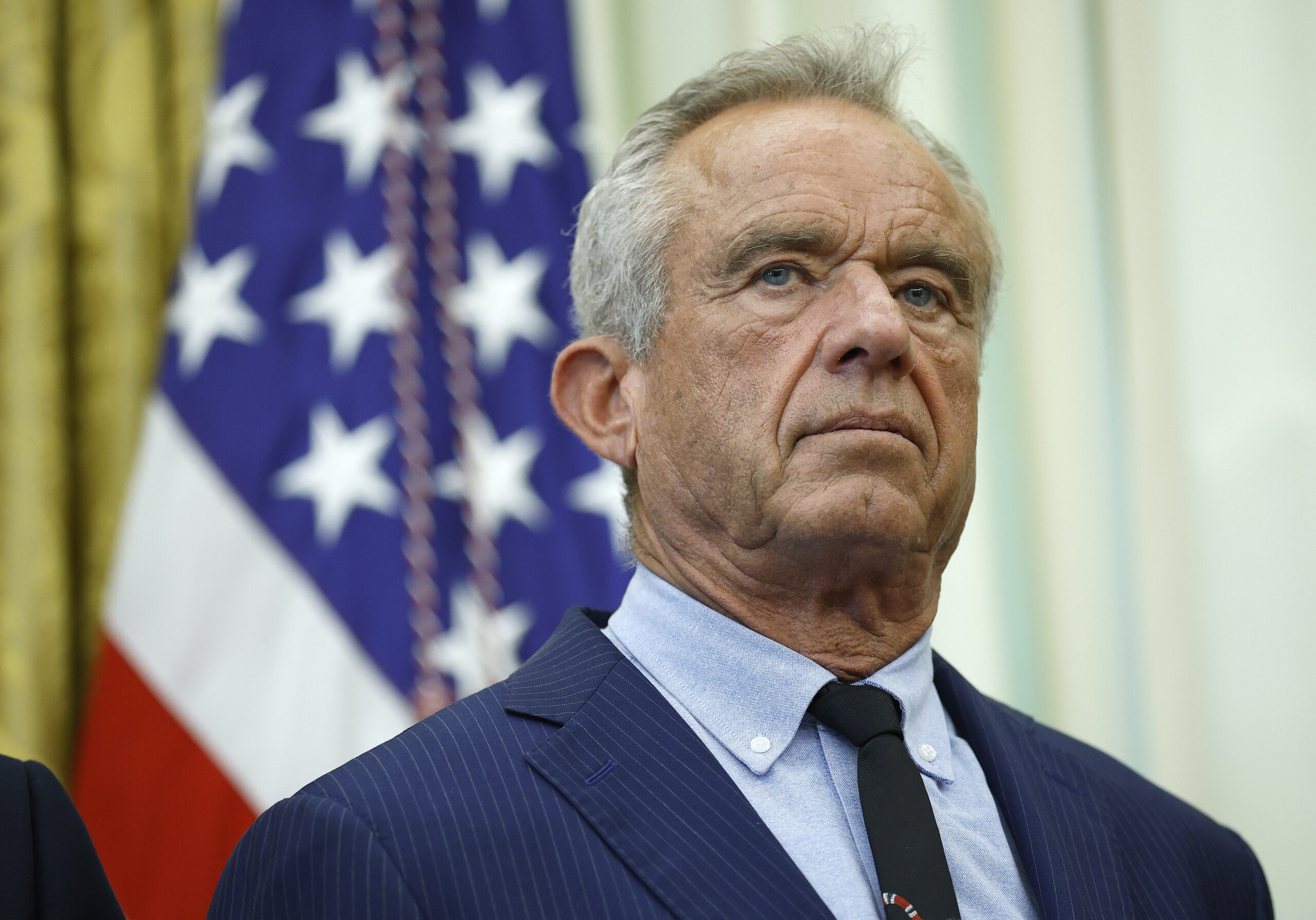
Proposed changes by Robert F. Kennedy Jr. to U.S. childhood vaccine laws could significantly alter the landscape for vaccine liability. The plan aims to downgrade the protections currently offered to vaccine manufacturers, potentially making it easier for individuals claiming vaccine injuries to seek damages in court. This shift raises concerns about the viability of vaccine production in the country, as manufacturers may opt to leave the market rather than face increased litigation risks.
The proposed changes, which will be introduced in the upcoming 2023 legislative session, build on the framework established by the 1986 National Childhood Vaccine Injury Act. This act created the Vaccine Injury Compensation Program (VICP), designed to shield manufacturers from liability in cases of vaccine-related injuries. The program has been crucial in maintaining vaccine availability by limiting the financial risks to pharmaceutical companies.
Kennedy’s initiative has the potential to disrupt this balance. Advocates argue that the existing system is overly protective of manufacturers, often leaving families who claim vaccine injuries without adequate recourse. By lowering the barriers for lawsuits, Kennedy believes that accountability will increase, ultimately leading to safer vaccines. Critics, however, warn that this could have the opposite effect, discouraging manufacturers from producing vaccines altogether.
The Centers for Disease Control and Prevention (CDC) and the National Institutes of Health (NIH) have noted that a stable vaccine supply is vital for public health. The possible exodus of manufacturers from the market could jeopardize vaccination programs that have historically led to significant reductions in infectious diseases across the United States.
Kennedy’s stance against vaccines has gained traction among certain groups who advocate for vaccine choice and transparency. The introduction of this legislation has prompted a renewed debate about vaccine safety and the balance between protecting public health and individual rights. As discussions unfold, the implications for public health policy and vaccine accessibility remain unclear.
The legislative proposal will be closely monitored by public health officials and industry stakeholders alike. With vaccine-related issues often becoming contentious, the outcome of these discussions could shape the future of vaccination in the U.S. for years to come. As the legislative session progresses, the ramifications of Kennedy’s plan and the responses from various health organizations will be pivotal in determining the future landscape of childhood vaccines.

Cosmic Mystery Deepens: Where Are the Universe’s Defects?

Lady Bulldogs Shine in Postseason Awards Following Final Four Run

CALV Hosts Essential Class for Local Real Estate Professionals

Urgent Alert: “Spaving” Surges as Shoppers Overspend Online

Jefferies Initiates Coverage on Insmed with “Buy” Rating

Three Dog Night to Perform with Ambrosia at Mayo Civic Center

Urgent Announcement: Charles M. Payment Passes Away at 78

Houston Education Foundation Donates $4,592 for Student Programs

Beeks Financial Cloud Shares Drop 7% Amid Increased Trading Volume

Foreign Inflows into Japan Stocks Surge to ¥1.34 Trillion

University of Hawaiʻi Joins $25.6M AI Project to Monitor Disasters

Sydney Sweeney Embraces Body Positivity Amid Hollywood Challenges

Hudson Williams Gains Popularity as Breakout Star on Heated Rivalry

Urgent Farewell: Joleen Chaney Leaves Legacy at KFOR

Boeing’s Merger with McDonnell Douglas: A Strategic Move Explained

$1.25M Grant Advances Hawaiʻi’s Real-Time Hazard Monitoring

Derrick Dove and ABAC Band Set for Free Americana Concert

BOYNEXTDOOR’s Jaehyun Faces Backlash Amid BTS-TWICE Controversy
-
Business9 months ago
Foreign Inflows into Japan Stocks Surge to ¥1.34 Trillion
-
Science9 months ago
University of Hawaiʻi Joins $25.6M AI Project to Monitor Disasters
-
 Entertainment9 months ago
Sydney Sweeney Embraces Body Positivity Amid Hollywood Challenges
-
 Entertainment7 months ago
Hudson Williams Gains Popularity as Breakout Star on Heated Rivalry
-
 Top Stories8 months ago
Urgent Farewell: Joleen Chaney Leaves Legacy at KFOR
-
 World9 months ago
Boeing’s Merger with McDonnell Douglas: A Strategic Move Explained
-
 Science7 months ago
$1.25M Grant Advances Hawaiʻi’s Real-Time Hazard Monitoring
-
 Entertainment8 months ago
Derrick Dove and ABAC Band Set for Free Americana Concert
-
 Top Stories9 months ago
BOYNEXTDOOR’s Jaehyun Faces Backlash Amid BTS-TWICE Controversy
-

 Health6 months ago
Bodybuilder Eugene Teo Transitions to Mindful Movement for Health
-

 World6 months ago
San Francisco Airport to Host 16 Nonstop Airlines to Europe in 2026
-

 Top Stories7 months ago
National Coast Guard Museum Set to Open in 2027 After Funding Secured