
Health
History’s Dark Side: When Coffee Was Banned and Punishable

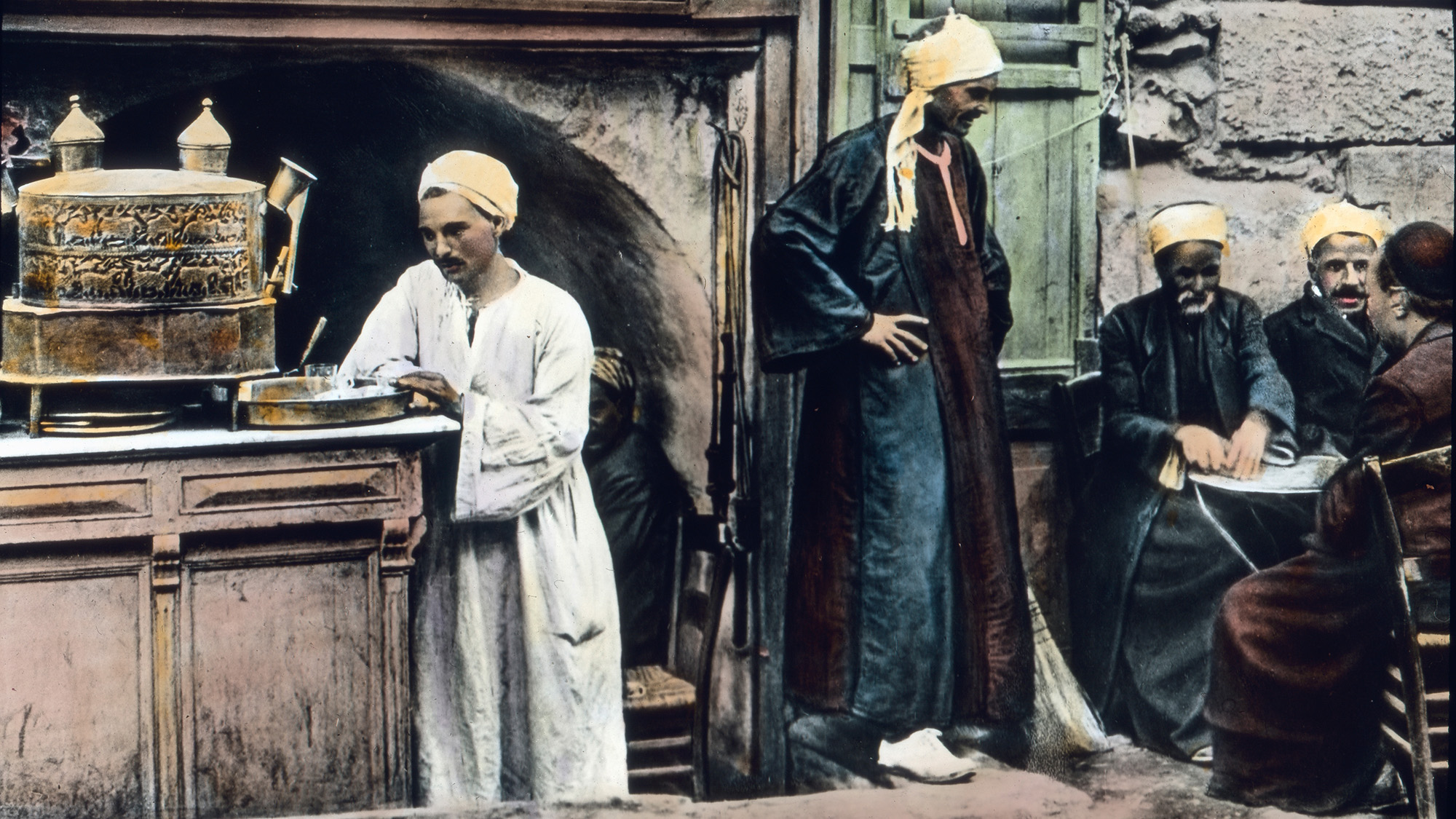
Coffee, a beverage cherished worldwide, has faced severe scrutiny and outright bans throughout history, with dire consequences for those who dared to indulge. From the early 16th century to the 18th century, authorities across various regions implemented restrictions on coffee consumption, driven by health concerns, economic motives, or fears of social unrest.
Mecca’s Initial Ban in the 16th Century
Coffee’s journey in the Islamic world began around the year 1500 when it arrived in Mecca. As coffeehouses emerged, they quickly became popular among locals and pilgrims alike. However, their rise attracted suspicion. In 1511, a Meccan official named Kha’ir Beg convened scholars to debate the fate of coffee. He argued that the drink intoxicated the mind and encouraged unruly behavior, prompting a ban on public coffee consumption.
Despite Kha’ir Beg’s efforts, which included closing coffeehouses and punishing drinkers, the response from the ruling authority was mixed. Sultan Al-Ashraf Qansuh al-Ghuri issued a royal edict that allowed private coffee drinking, effectively undermining Kha’ir Beg’s crackdown and reinstating coffee’s popularity in Mecca.
The Ottoman Empire’s Brutal Approach
Fast forward over a century, and the Ottoman Empire under Sultan Murad IV took a far more severe stance against coffee. In the 17th century, he perceived coffeehouses as breeding grounds for dissent and rebellion, given his own ascent to power through uprisings. Consequently, he enforced a ban on coffeehouses in Istanbul and instituted the death penalty for those caught drinking coffee in public.
Murad IV’s paranoia led him to patrol the streets incognito, reportedly executing coffee drinkers himself. His reign exemplified the extreme measures some rulers would take to maintain control, reflecting the beverage’s profound societal implications.
Sweden’s King Gustav III exhibited a unique blend of curiosity and suspicion towards coffee during the 18th century. Notably, he imposed five separate bans on coffee imports, citing health concerns and a growing trade deficit. While the story of a bizarre medical trial involving twin convicts—one drinking coffee, the other tea—has circulated, researchers like Michal Salamoni from Umeå University argue that it lacks historical credibility. Regardless, the Swedish authorities were relentless, arresting and fining anyone caught drinking or selling coffee, highlighting the beverage’s contentious status.
Prussia’s Coffee-Sniffer Initiative
In 1777, Frederick the Great of Prussia declared his disdain for coffee, lamenting its increasing consumption among his subjects. His economic concerns mirrored those of other European rulers; he believed coffee was an elitist indulgence, while ordinary citizens should drink beer. To combat this, Frederick established a royal coffee monopoly, prohibiting citizens from roasting or importing beans, which led to rampant smuggling.
To enforce his decree, Frederick created a secret police force known as the “Kaffeeschnüffler,” tasked with detecting the aroma of illicitly roasted coffee. Those apprehended faced hefty fines, with a portion of the penalty going to the sniffers themselves. This unusual strategy underscores the lengths to which authorities would go to control coffee consumption.
Today, coffee is an integral part of daily life for many, with most health experts agreeing on its relative safety. Yet, historical accounts remind us that the love for coffee has often come with significant risks. As trade dynamics and climate change continue to affect coffee prices, the beverage’s storied past serves as a testament to its enduring allure and the societal changes it inspires.

Cosmic Mystery Deepens: Where Are the Universe’s Defects?

Lady Bulldogs Shine in Postseason Awards Following Final Four Run

CALV Hosts Essential Class for Local Real Estate Professionals

Urgent Alert: “Spaving” Surges as Shoppers Overspend Online

Jefferies Initiates Coverage on Insmed with “Buy” Rating

Three Dog Night to Perform with Ambrosia at Mayo Civic Center

Urgent Announcement: Charles M. Payment Passes Away at 78

Houston Education Foundation Donates $4,592 for Student Programs

Beeks Financial Cloud Shares Drop 7% Amid Increased Trading Volume

Foreign Inflows into Japan Stocks Surge to ¥1.34 Trillion

University of Hawaiʻi Joins $25.6M AI Project to Monitor Disasters

Sydney Sweeney Embraces Body Positivity Amid Hollywood Challenges

Hudson Williams Gains Popularity as Breakout Star on Heated Rivalry

Urgent Farewell: Joleen Chaney Leaves Legacy at KFOR

Boeing’s Merger with McDonnell Douglas: A Strategic Move Explained

$1.25M Grant Advances Hawaiʻi’s Real-Time Hazard Monitoring

Derrick Dove and ABAC Band Set for Free Americana Concert

BOYNEXTDOOR’s Jaehyun Faces Backlash Amid BTS-TWICE Controversy
-
Business9 months ago
Foreign Inflows into Japan Stocks Surge to ¥1.34 Trillion
-
Science8 months ago
University of Hawaiʻi Joins $25.6M AI Project to Monitor Disasters
-
 Entertainment9 months ago
Sydney Sweeney Embraces Body Positivity Amid Hollywood Challenges
-
 Entertainment7 months ago
Hudson Williams Gains Popularity as Breakout Star on Heated Rivalry
-
 Top Stories8 months ago
Urgent Farewell: Joleen Chaney Leaves Legacy at KFOR
-
 World9 months ago
Boeing’s Merger with McDonnell Douglas: A Strategic Move Explained
-
 Science7 months ago
$1.25M Grant Advances Hawaiʻi’s Real-Time Hazard Monitoring
-
 Entertainment8 months ago
Derrick Dove and ABAC Band Set for Free Americana Concert
-
 Top Stories9 months ago
BOYNEXTDOOR’s Jaehyun Faces Backlash Amid BTS-TWICE Controversy
-

 Health6 months ago
Bodybuilder Eugene Teo Transitions to Mindful Movement for Health
-
 World6 months ago
San Francisco Airport to Host 16 Nonstop Airlines to Europe in 2026
-

 Top Stories7 months ago
National Coast Guard Museum Set to Open in 2027 After Funding Secured