
Health
High Radon Levels Threaten PA Homes: Urgent Testing Needed

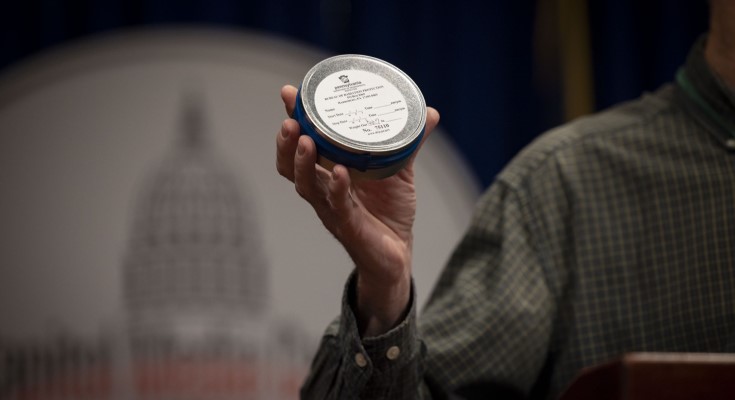
A recent report reveals that nearly 40% of homes tested in Pennsylvania have dangerous levels of radon, a colorless and odorless gas linked to lung cancer. With January marking National Radon Action Month, the American Lung Association is emphasizing the critical need for residents to test their homes for this harmful substance. The findings highlight a significant public health issue, as radon exposure accounts for approximately 21,000 deaths annually across the United States.
According to the American Lung Association, about four in ten tested homes in Pennsylvania recorded radon levels at or above the Environmental Protection Agency (EPA) recommended action threshold of 4 picocuries per liter (pCi/L). This alarming statistic underscores the importance of awareness and testing, as radon is the second-leading cause of lung cancer overall and the leading cause among individuals who have never smoked.
Radon emanates from soil and rock beneath buildings, entering homes through cracks in foundations and other openings. The gas poses a hidden threat as it accumulates indoors, often reaching hazardous concentrations without any warning signs. Kevin Stewart, the director of environmental health at the American Lung Association, stated, “Radon is an invisible danger, appearing at high levels in far too many homes across Pennsylvania.” He urged homeowners to recognize the severe implications of radon exposure and the necessity of testing to ensure safety.
Testing for radon is the only reliable means of detection, as exposure does not present immediate symptoms. Fortunately, affordable and straightforward do-it-yourself radon test kits are widely available. Homeowners can also seek assistance from certified professionals, who can conduct testing during home inspections or other routine safety checks.
The American Lung Association recommends that every home undergoes regular testing—at least every five years, or every two years if a mitigation system is already in place. Elevated radon levels have been documented in every state, with significant variations occurring even among neighboring properties.
For rental properties, landlords are often required to address known health hazards, including high radon levels. Tenants should inquire with property managers about the status of radon testing and mitigation efforts. Additionally, some states implement laws governing the disclosure and remediation of elevated radon levels.
When a home tests above the 4 pCi/L threshold, the EPA advises installing a professional mitigation system. These systems generally involve venting radon gas from beneath the foundation and sealing entry points to prevent indoor buildup. State radon programs can provide lists of certified mitigation professionals, and some health departments may offer financial assistance or low-interest loans for mitigation costs.
The health risks associated with radon exposure are compounded for smokers, as radon and smoking are the leading causes of lung cancer in the United States. The combined risk for smokers exposed to high levels of radon is significantly greater. The American Lung Association offers smoking cessation resources on their website to help individuals quit.
As National Radon Action Month progresses, health officials stress the urgency of testing homes for radon, taking necessary mitigation steps, and reducing the risk of this silent but deadly cancer. For more information about testing and resources, residents are encouraged to visit the American Lung Association website.

Cosmic Mystery Deepens: Where Are the Universe’s Defects?

Lady Bulldogs Shine in Postseason Awards Following Final Four Run

CALV Hosts Essential Class for Local Real Estate Professionals

Urgent Alert: “Spaving” Surges as Shoppers Overspend Online

Jefferies Initiates Coverage on Insmed with “Buy” Rating

Three Dog Night to Perform with Ambrosia at Mayo Civic Center

Urgent Announcement: Charles M. Payment Passes Away at 78

Houston Education Foundation Donates $4,592 for Student Programs

Beeks Financial Cloud Shares Drop 7% Amid Increased Trading Volume

Foreign Inflows into Japan Stocks Surge to ¥1.34 Trillion

University of Hawaiʻi Joins $25.6M AI Project to Monitor Disasters

Sydney Sweeney Embraces Body Positivity Amid Hollywood Challenges

Hudson Williams Gains Popularity as Breakout Star on Heated Rivalry

Urgent Farewell: Joleen Chaney Leaves Legacy at KFOR

Boeing’s Merger with McDonnell Douglas: A Strategic Move Explained

$1.25M Grant Advances Hawaiʻi’s Real-Time Hazard Monitoring

Derrick Dove and ABAC Band Set for Free Americana Concert

BOYNEXTDOOR’s Jaehyun Faces Backlash Amid BTS-TWICE Controversy
-
Business9 months ago
Foreign Inflows into Japan Stocks Surge to ¥1.34 Trillion
-
Science9 months ago
University of Hawaiʻi Joins $25.6M AI Project to Monitor Disasters
-
 Entertainment9 months ago
Sydney Sweeney Embraces Body Positivity Amid Hollywood Challenges
-
 Entertainment8 months ago
Hudson Williams Gains Popularity as Breakout Star on Heated Rivalry
-
 Top Stories9 months ago
Urgent Farewell: Joleen Chaney Leaves Legacy at KFOR
-
 World9 months ago
Boeing’s Merger with McDonnell Douglas: A Strategic Move Explained
-
 Science8 months ago
$1.25M Grant Advances Hawaiʻi’s Real-Time Hazard Monitoring
-
 Entertainment8 months ago
Derrick Dove and ABAC Band Set for Free Americana Concert
-
 Top Stories9 months ago
BOYNEXTDOOR’s Jaehyun Faces Backlash Amid BTS-TWICE Controversy
-

 Health6 months ago
Bodybuilder Eugene Teo Transitions to Mindful Movement for Health
-

 World6 months ago
San Francisco Airport to Host 16 Nonstop Airlines to Europe in 2026
-

 Top Stories7 months ago
National Coast Guard Museum Set to Open in 2027 After Funding Secured