
Health
Female Chemist Pioneers Leukemia Drug, Changing Children’s Lives

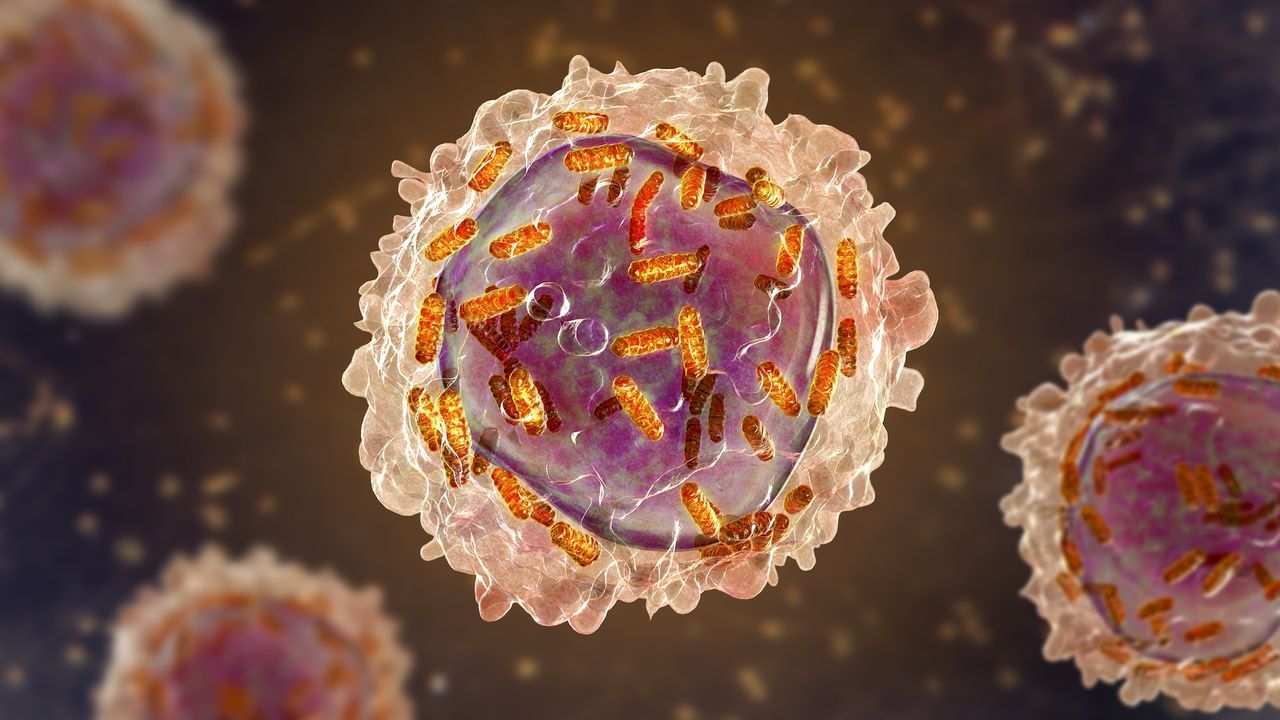
In a groundbreaking achievement for cancer treatment, researchers at the Sloan Kettering Institute and Weill Cornell Medical College announced on December 6, 1954, the successful use of a new chemotherapeutic agent that sent children with acute leukemia into remission. This drug, known as 6-mercaptopurine (6-MP), marked a significant advancement in the fight against leukemia and laid the foundation for future drug design methodologies.
Gertrude Elion, a pioneering female chemist, played a crucial role in this discovery. After earning her master’s degree in chemistry in 1941, she faced significant barriers to her career due to gender biases that restricted women from many research positions. Consequently, she initially worked as a high school chemistry teacher and a food quality tester. In 1944, she secured a position in the lab of George Hitchings at Burroughs-Wellcome, where she began to focus on innovative drug development.
Elion and Hitchings approached the challenge of drug design by shifting away from traditional trial-and-error methods. They theorized that since all living cells require nucleic acids for growth, fast-replicating cells, such as cancerous and bacterial cells, would need more of these compounds. Consequently, they focused on developing drugs that could inhibit nucleic acid synthesis, effectively stunting cancer growth.
In 1950, their research led to the discovery of 6-MP, a compound derived from purine. Early tests showed that it could inhibit the growth of both bacterial and leukemia cells in laboratory settings. Over the next two years, they conducted animal trials, observing that 6-MP slowed tumor growth. By 1952, clinical trials commenced, involving 107 patients suffering from various cancers, including 45 children diagnosed with acute leukemia.
Before the advent of 6-MP, treatment options for these children were scarce, and prognosis was often grim. The results from the trials indicated that the children tolerated 6-MP well, with 15 of them achieving complete remission for periods ranging from a few weeks to several months. While this was not a long-term solution, it represented a significant improvement in treatment outcomes.
Elion’s emotional journey was marked by elation when the children improved and deep sorrow when they relapsed. This motivated her and Hitchings to pursue further research. In the late 1950s, they combined 6-MP with methotrexate, another chemotherapy drug developed by Dr. Jane Wright and her team, to enhance the duration of remission for children with acute leukemia.
Throughout her career, Elion continued to make remarkable contributions to medicine. She developed numerous drugs, including azathioprine, which is used for rheumatoid arthritis and transplant anti-rejection, as well as acyclovir, an antiviral for herpes, chickenpox, and shingles. Notably, she was also instrumental in creating AZT, the first effective treatment for HIV/AIDS.
In recognition of her groundbreaking work in drug design, Elion, together with Hitchings and James Black, received the Nobel Prize in Physiology or Medicine in 1988. Their collective efforts exemplified the principles of rational drug design and emphasized the importance of innovation in medical research.
Elion’s journey from being barred from research to becoming a Nobel laureate illustrates not only her personal tenacity but also the shifting landscape of women in science. Her work continues to inspire future generations of scientists and underscores the critical importance of diversity in research and innovation.

Cosmic Mystery Deepens: Where Are the Universe’s Defects?

Lady Bulldogs Shine in Postseason Awards Following Final Four Run

CALV Hosts Essential Class for Local Real Estate Professionals

Urgent Alert: “Spaving” Surges as Shoppers Overspend Online

Jefferies Initiates Coverage on Insmed with “Buy” Rating

Three Dog Night to Perform with Ambrosia at Mayo Civic Center

Urgent Announcement: Charles M. Payment Passes Away at 78

Houston Education Foundation Donates $4,592 for Student Programs

Beeks Financial Cloud Shares Drop 7% Amid Increased Trading Volume

Foreign Inflows into Japan Stocks Surge to ¥1.34 Trillion

University of Hawaiʻi Joins $25.6M AI Project to Monitor Disasters

Sydney Sweeney Embraces Body Positivity Amid Hollywood Challenges

Hudson Williams Gains Popularity as Breakout Star on Heated Rivalry

Urgent Farewell: Joleen Chaney Leaves Legacy at KFOR

Boeing’s Merger with McDonnell Douglas: A Strategic Move Explained

$1.25M Grant Advances Hawaiʻi’s Real-Time Hazard Monitoring

Derrick Dove and ABAC Band Set for Free Americana Concert

BOYNEXTDOOR’s Jaehyun Faces Backlash Amid BTS-TWICE Controversy
-
Business9 months ago
Foreign Inflows into Japan Stocks Surge to ¥1.34 Trillion
-
Science9 months ago
University of Hawaiʻi Joins $25.6M AI Project to Monitor Disasters
-
 Entertainment9 months ago
Sydney Sweeney Embraces Body Positivity Amid Hollywood Challenges
-
 Entertainment7 months ago
Hudson Williams Gains Popularity as Breakout Star on Heated Rivalry
-
 Top Stories8 months ago
Urgent Farewell: Joleen Chaney Leaves Legacy at KFOR
-
 World9 months ago
Boeing’s Merger with McDonnell Douglas: A Strategic Move Explained
-
 Science7 months ago
$1.25M Grant Advances Hawaiʻi’s Real-Time Hazard Monitoring
-
 Entertainment8 months ago
Derrick Dove and ABAC Band Set for Free Americana Concert
-
 Top Stories9 months ago
BOYNEXTDOOR’s Jaehyun Faces Backlash Amid BTS-TWICE Controversy
-

 Health6 months ago
Bodybuilder Eugene Teo Transitions to Mindful Movement for Health
-

 World6 months ago
San Francisco Airport to Host 16 Nonstop Airlines to Europe in 2026
-

 Top Stories7 months ago
National Coast Guard Museum Set to Open in 2027 After Funding Secured