
Health
Embrace Loving-Kindness Meditation for a Positive New Year

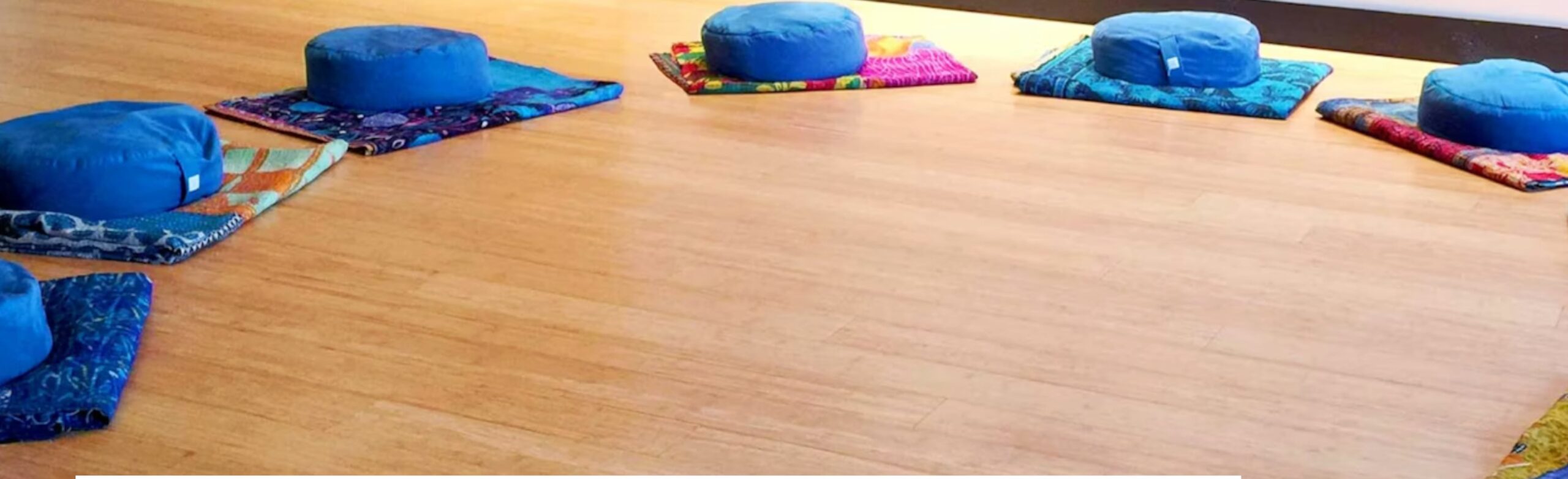
As the new year begins, many individuals are choosing to adopt meditation practices, particularly mindfulness meditation, to enhance their well-being. Regular meditation has been associated with numerous health benefits, such as reduced stress and anxiety, improved sleep quality, and faster recovery from illness. Among the various forms of meditation, one that stands out is loving-kindness meditation, or metta, which focuses on cultivating love and compassion.
Loving-kindness meditation is rooted in Buddhist traditions but can be practiced by anyone seeking to foster a more loving attitude towards themselves and others. In this practice, the aim is to develop a sense of universal friendliness, which is distinct from romantic love. The ancient Pali term “metta” signifies both “gentle” and “friend,” emphasizing the unconditional nature of this love. It encourages practitioners to extend kindness without expectations, regardless of social distinctions such as wealth, education, or popularity.
Understanding the Practice of Metta Meditation
The foundations of loving-kindness meditation can be traced back to the 5th century, attributed to the Sri Lankan monk Buddhaghosa. In his influential text, Visuddhimagga, he outlined methods for practicing metta. While contemporary teachers have adapted these instructions, the core elements remain largely consistent. The practice typically begins with self-directed loving-kindness, often articulated through specific phrases intended to evoke feelings of warmth and compassion.
Practitioners may start by reciting affirmations such as: “May I be happy. May I be healthy. May I be safe. May I live with ease.” Following this, they direct these sentiments towards others, beginning with loved ones and gradually expanding to include friends, acquaintances, and ultimately all living beings on Earth. This process not only cultivates a deeper connection with oneself but also fosters empathy for the wider world.
Research indicates that engaging in loving-kindness meditation can lead to significant improvements in mental health. Individuals report decreased feelings of anxiety and depression, increased life satisfaction, and enhanced self-acceptance. Importantly, the practice also promotes a greater sense of connection with others, which can have far-reaching implications for society.
Broader Implications for Society
The benefits of loving-kindness meditation extend beyond individual well-being. According to research conducted by Jeremy David Engels, a scholar at Penn State, these practices can contribute positively to social dynamics. In a world often characterized by division and conflict, fostering a compassionate mindset is essential. By opening their hearts through metta meditation, individuals are better equipped to engage with others, including those with differing views.
Engels argues that the practice of democracy relies on collaboration and understanding among diverse groups. By nurturing loving-kindness, individuals create a foundation for more harmonious interactions, reducing the prevalence of hatred and resentment in society.
As people embark on their New Year’s resolutions, incorporating loving-kindness meditation into their routines could be a transformative step. Through this practice, individuals not only enhance their own mental health but also contribute to a more compassionate and interconnected world. Embracing metta can lead to a richer, more fulfilling life, fostering love that transcends personal boundaries.

Cosmic Mystery Deepens: Where Are the Universe’s Defects?

Lady Bulldogs Shine in Postseason Awards Following Final Four Run

CALV Hosts Essential Class for Local Real Estate Professionals

Urgent Alert: “Spaving” Surges as Shoppers Overspend Online

Jefferies Initiates Coverage on Insmed with “Buy” Rating

Three Dog Night to Perform with Ambrosia at Mayo Civic Center

Urgent Announcement: Charles M. Payment Passes Away at 78

Houston Education Foundation Donates $4,592 for Student Programs

Beeks Financial Cloud Shares Drop 7% Amid Increased Trading Volume

Foreign Inflows into Japan Stocks Surge to ¥1.34 Trillion

University of Hawaiʻi Joins $25.6M AI Project to Monitor Disasters

Sydney Sweeney Embraces Body Positivity Amid Hollywood Challenges

Hudson Williams Gains Popularity as Breakout Star on Heated Rivalry

Urgent Farewell: Joleen Chaney Leaves Legacy at KFOR

Boeing’s Merger with McDonnell Douglas: A Strategic Move Explained

$1.25M Grant Advances Hawaiʻi’s Real-Time Hazard Monitoring

Derrick Dove and ABAC Band Set for Free Americana Concert

BOYNEXTDOOR’s Jaehyun Faces Backlash Amid BTS-TWICE Controversy
-
Business9 months ago
Foreign Inflows into Japan Stocks Surge to ¥1.34 Trillion
-
Science9 months ago
University of Hawaiʻi Joins $25.6M AI Project to Monitor Disasters
-
 Entertainment9 months ago
Sydney Sweeney Embraces Body Positivity Amid Hollywood Challenges
-
 Entertainment8 months ago
Hudson Williams Gains Popularity as Breakout Star on Heated Rivalry
-
 Top Stories8 months ago
Urgent Farewell: Joleen Chaney Leaves Legacy at KFOR
-
 World9 months ago
Boeing’s Merger with McDonnell Douglas: A Strategic Move Explained
-
 Science8 months ago
$1.25M Grant Advances Hawaiʻi’s Real-Time Hazard Monitoring
-
 Entertainment8 months ago
Derrick Dove and ABAC Band Set for Free Americana Concert
-
 Top Stories9 months ago
BOYNEXTDOOR’s Jaehyun Faces Backlash Amid BTS-TWICE Controversy
-

 Health6 months ago
Bodybuilder Eugene Teo Transitions to Mindful Movement for Health
-

 World6 months ago
San Francisco Airport to Host 16 Nonstop Airlines to Europe in 2026
-

 Top Stories7 months ago
National Coast Guard Museum Set to Open in 2027 After Funding Secured