
Business
Paramount Pushes Back Against Netflix and Comcast’s Warner Bros. Bids

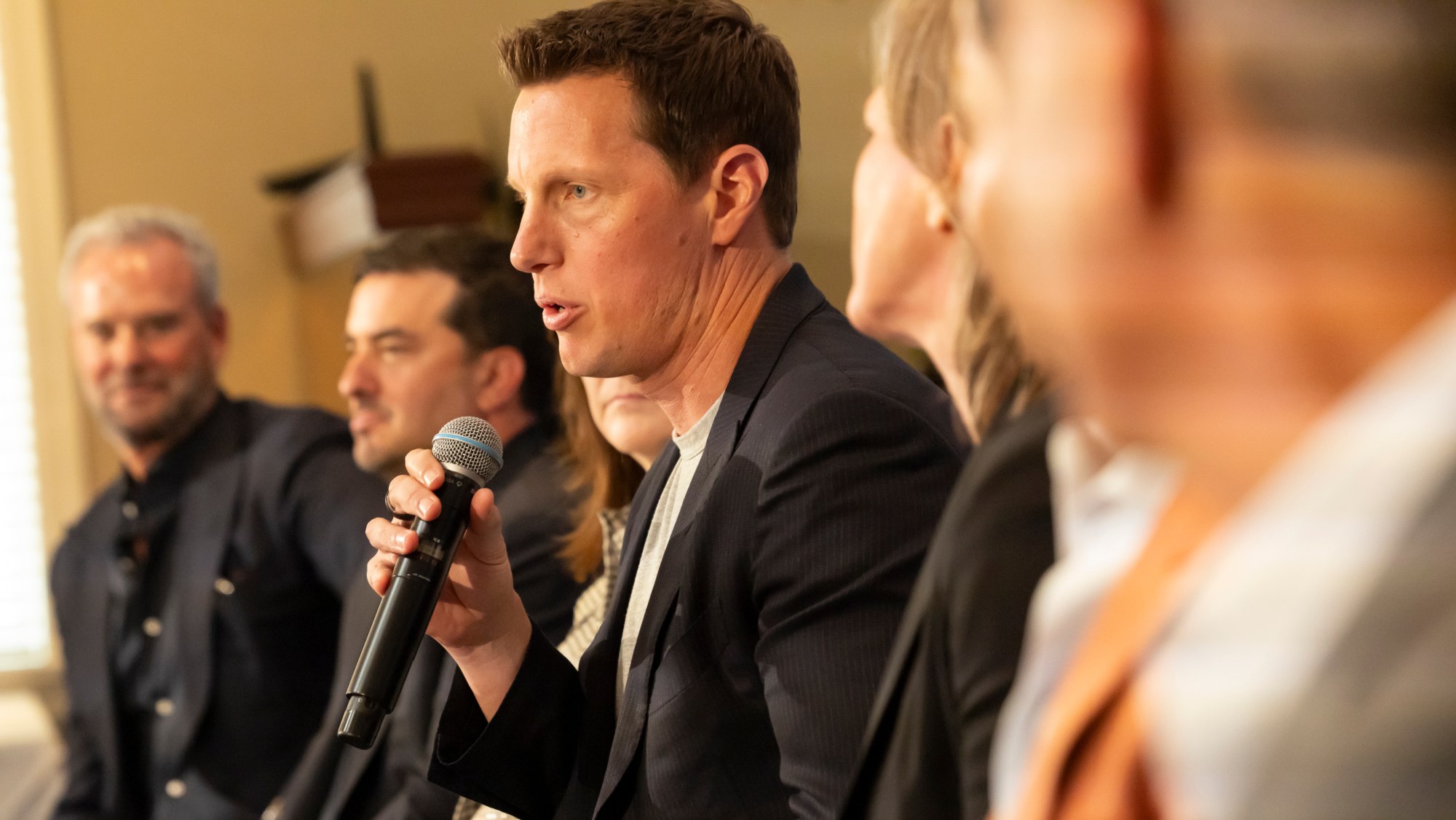
As the sale of Warner Bros. Discovery looms, competition intensifies among major players in the entertainment industry. Paramount, Netflix, and Comcast are each vying for a stake in the studio, particularly in coveted assets such as HBO. Recently, Paramount has escalated its efforts to persuade the Warner Bros. Discovery board to consider its multibillion-dollar offer over the competing bids.
A detailed letter from Paramount’s legal team, sent on December 1, outlines concerns regarding the offers from Netflix and Comcast. This 4,000-word document, prepared by attorneys from Latham & Watkins and Cravath, emphasizes the potential risks associated with these competitors. Paramount argues that a merger with either Netflix or Comcast would face significant regulatory hurdles, both in the United States and internationally.
In the letter, Paramount’s lawyers assert that a transaction involving their company would likely be viewed as pro-competitive, facilitating a smoother approval process. They note, “a transaction with either Netflix or Comcast would face grave uncertainty and significant opposition by competition law enforcement agencies.”
Netflix has emerged as a strong contender for acquiring Warner Bros. Discovery, with its interest focused on the studio and its streaming assets, including HBO and HBO Max. In contrast, Paramount’s proposal includes the acquisition of a broader portfolio, which encompasses cable channels like TNT, TBS, CNN, HGTV, and Food Network.
Comcast’s strategy involves spinning off NBCUniversal as part of a stock-heavy transaction with Warner Bros. Discovery, which may also raise regulatory concerns. Paramount’s legal team highlights potential antitrust issues surrounding Comcast’s extensive reach in the broadband and multichannel video programming distribution (MVPD) sectors.
Paramount’s Concerns Over Competitors
Paramount’s correspondence specifically addresses Netflix’s dominance in the streaming market and the implications of a merger. The letter notes that Netflix controls a significant share of the streaming video on demand (SVOD) market globally, with HBO Max positioned as a key competitor. Paramount’s lawyers argue that allowing Netflix to acquire Warner Bros. would reduce competition and could harm theatrical releases.
Key points from the letter include:
– “Netflix does not have the same incentive to release films in theaters and will be incentivized to use WBD’s world-class IP library to entrench Netflix’s streaming dominance while also harming theatrical distribution.”
– The potential merger would lead to a combined market share of 43% among global SVOD subscribers, raising concerns over its legality under U.S. antitrust laws.
On the Comcast front, the letter raises alarms about potential regulatory scrutiny, particularly concerning consumer access and pricing. Paramount contends that Comcast’s acquisition would consolidate control over major news networks, limiting choice for customers and reducing opportunities for industry talent.
Another point of contention is the existing regulatory environment, with Comcast facing challenges from its previous merger with NBCUniversal in 2011. Paramount warns that a deal with Comcast is likely to encounter significant antitrust scrutiny, especially in Europe, where Comcast operates through subsidiaries like Sky Group.
The Path Forward for Warner Bros. Discovery
As Warner Bros. Discovery navigates this complex sale process, it has signaled a desire to finalize a deal by the end of the year. Paramount’s legal strategies reflect a concerted effort to position itself as the most favorable option for the board.
The evolving dynamics of this bidding war not only highlight the competitive landscape of the media industry but also underscore the broader implications for consumers and content creators. The outcome of these negotiations will shape the future of Warner Bros. Discovery and its extensive portfolio of assets.
As Paramount, Netflix, and Comcast continue their pursuit, the stakes remain high, with each company making compelling arguments to secure a place in the next chapter of entertainment history.

Cosmic Mystery Deepens: Where Are the Universe’s Defects?

Lady Bulldogs Shine in Postseason Awards Following Final Four Run

CALV Hosts Essential Class for Local Real Estate Professionals

Urgent Alert: “Spaving” Surges as Shoppers Overspend Online

Jefferies Initiates Coverage on Insmed with “Buy” Rating

Three Dog Night to Perform with Ambrosia at Mayo Civic Center

Urgent Announcement: Charles M. Payment Passes Away at 78

Houston Education Foundation Donates $4,592 for Student Programs

Beeks Financial Cloud Shares Drop 7% Amid Increased Trading Volume

Foreign Inflows into Japan Stocks Surge to ¥1.34 Trillion

University of Hawaiʻi Joins $25.6M AI Project to Monitor Disasters

Sydney Sweeney Embraces Body Positivity Amid Hollywood Challenges

Hudson Williams Gains Popularity as Breakout Star on Heated Rivalry

Urgent Farewell: Joleen Chaney Leaves Legacy at KFOR

Boeing’s Merger with McDonnell Douglas: A Strategic Move Explained

$1.25M Grant Advances Hawaiʻi’s Real-Time Hazard Monitoring

Derrick Dove and ABAC Band Set for Free Americana Concert

BOYNEXTDOOR’s Jaehyun Faces Backlash Amid BTS-TWICE Controversy
-
Business9 months ago
Foreign Inflows into Japan Stocks Surge to ¥1.34 Trillion
-
Science8 months ago
University of Hawaiʻi Joins $25.6M AI Project to Monitor Disasters
-
 Entertainment9 months ago
Sydney Sweeney Embraces Body Positivity Amid Hollywood Challenges
-
 Entertainment7 months ago
Hudson Williams Gains Popularity as Breakout Star on Heated Rivalry
-
 Top Stories8 months ago
Urgent Farewell: Joleen Chaney Leaves Legacy at KFOR
-
 World9 months ago
Boeing’s Merger with McDonnell Douglas: A Strategic Move Explained
-
 Science7 months ago
$1.25M Grant Advances Hawaiʻi’s Real-Time Hazard Monitoring
-
 Entertainment8 months ago
Derrick Dove and ABAC Band Set for Free Americana Concert
-
 Top Stories9 months ago
BOYNEXTDOOR’s Jaehyun Faces Backlash Amid BTS-TWICE Controversy
-

 Health6 months ago
Bodybuilder Eugene Teo Transitions to Mindful Movement for Health
-

 World6 months ago
San Francisco Airport to Host 16 Nonstop Airlines to Europe in 2026
-

 Top Stories7 months ago
National Coast Guard Museum Set to Open in 2027 After Funding Secured