
Business
Oil Prices Surge as Strait of Hormuz Remains Closed, Fueling Inflation

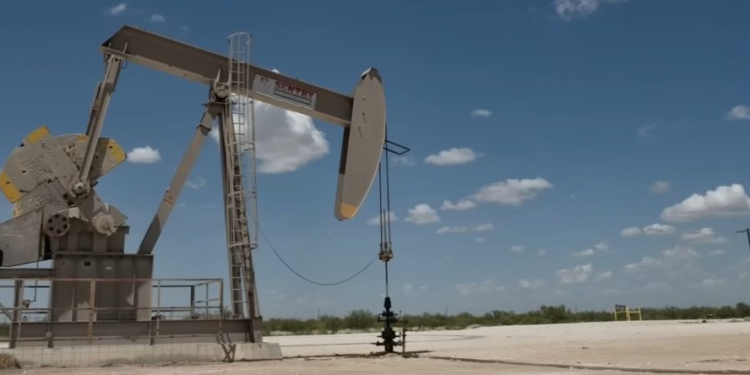
Brent crude oil prices have surged over 24% to more than $90 per barrel as tensions escalate in the Middle East. The increase follows the initiation of Operation Epic Fury, which has significantly disrupted traffic through the Strait of Hormuz. Despite efforts by the U.S. government, including maritime insurance for operators, shipping traffic has plummeted by 90% since retaliatory strikes from Iran began.
This rise in oil prices directly impacts U.S. gasoline costs, with prices increasing from an average of $2.98 to $3.32 per gallon. The American Automobile Association (AAA) reports that each $10 increase in Brent crude typically results in a 24-cent hike at the pump. The current spike has not been seen since the onset of the Russia-Ukraine War in March 2022.
Potential Economic Impacts and Production Cuts
A sustained increase in gasoline prices can lead to broader economic consequences. According to the Federal Reserve, a rise of 25 cents per gallon in gas prices could elevate inflation by approximately 0.25 percentage points. Should the Strait of Hormuz reopen and oil exports resume, there may be a possibility for prices to revert to pre-war levels.
The shipping industry is also feeling the strain. Rates for Very Large Crude Carriers, capable of transporting around 2 million barrels of oil, have skyrocketed from $206,000 to over $480,000 per day since the market opened on Monday. This doubling of rental prices is attributed to ongoing war risk insurance concerns and a shortage of vessels willing to navigate the increasingly perilous waters.
Kayrros Chief Analyst Antoine Halff emphasized the critical issue of storage capacity in the Gulf region. He noted on LinkedIn, “If oil producers reach ‘tank tops’ for lack of export outlets, then they have to curtail output.”
The Iraqi Oil Ministry has reported a reduction in output from its southern oil fields by 1.5 million barrels per day due to storage limitations. If maritime disruptions persist, this figure could potentially double. Iraq, being the second-largest oil producer in the Organization of Petroleum Exporting Countries (OPEC), faces significant challenges ahead.
Kuwait has also announced production cuts as its storage facilities fill to capacity. If these reductions continue and export delays push Brent crude prices over $100 per barrel, U.S. consumers may face gasoline prices exceeding $4 per gallon.
As the situation continues to evolve, the implications for the global economy and consumers remain significant. The closure of the Strait of Hormuz not only affects oil supply but also raises concerns about inflation and economic stability in the U.S. and beyond.

Cosmic Mystery Deepens: Where Are the Universe’s Defects?

Lady Bulldogs Shine in Postseason Awards Following Final Four Run

CALV Hosts Essential Class for Local Real Estate Professionals

Urgent Alert: “Spaving” Surges as Shoppers Overspend Online

Jefferies Initiates Coverage on Insmed with “Buy” Rating

Three Dog Night to Perform with Ambrosia at Mayo Civic Center

Urgent Announcement: Charles M. Payment Passes Away at 78

Houston Education Foundation Donates $4,592 for Student Programs

Beeks Financial Cloud Shares Drop 7% Amid Increased Trading Volume

Foreign Inflows into Japan Stocks Surge to ¥1.34 Trillion

University of Hawaiʻi Joins $25.6M AI Project to Monitor Disasters

Sydney Sweeney Embraces Body Positivity Amid Hollywood Challenges

Hudson Williams Gains Popularity as Breakout Star on Heated Rivalry

Urgent Farewell: Joleen Chaney Leaves Legacy at KFOR

Boeing’s Merger with McDonnell Douglas: A Strategic Move Explained

$1.25M Grant Advances Hawaiʻi’s Real-Time Hazard Monitoring

Derrick Dove and ABAC Band Set for Free Americana Concert

BOYNEXTDOOR’s Jaehyun Faces Backlash Amid BTS-TWICE Controversy
-
Business9 months ago
Foreign Inflows into Japan Stocks Surge to ¥1.34 Trillion
-
Science8 months ago
University of Hawaiʻi Joins $25.6M AI Project to Monitor Disasters
-
 Entertainment9 months ago
Sydney Sweeney Embraces Body Positivity Amid Hollywood Challenges
-
 Entertainment7 months ago
Hudson Williams Gains Popularity as Breakout Star on Heated Rivalry
-
 Top Stories8 months ago
Urgent Farewell: Joleen Chaney Leaves Legacy at KFOR
-
 World9 months ago
Boeing’s Merger with McDonnell Douglas: A Strategic Move Explained
-
 Science7 months ago
$1.25M Grant Advances Hawaiʻi’s Real-Time Hazard Monitoring
-
 Entertainment8 months ago
Derrick Dove and ABAC Band Set for Free Americana Concert
-
 Top Stories9 months ago
BOYNEXTDOOR’s Jaehyun Faces Backlash Amid BTS-TWICE Controversy
-

 Health6 months ago
Bodybuilder Eugene Teo Transitions to Mindful Movement for Health
-

 World6 months ago
San Francisco Airport to Host 16 Nonstop Airlines to Europe in 2026
-

 Top Stories7 months ago
National Coast Guard Museum Set to Open in 2027 After Funding Secured