
Business
Investors React to AI Fears, Stock Markets Face Turmoil

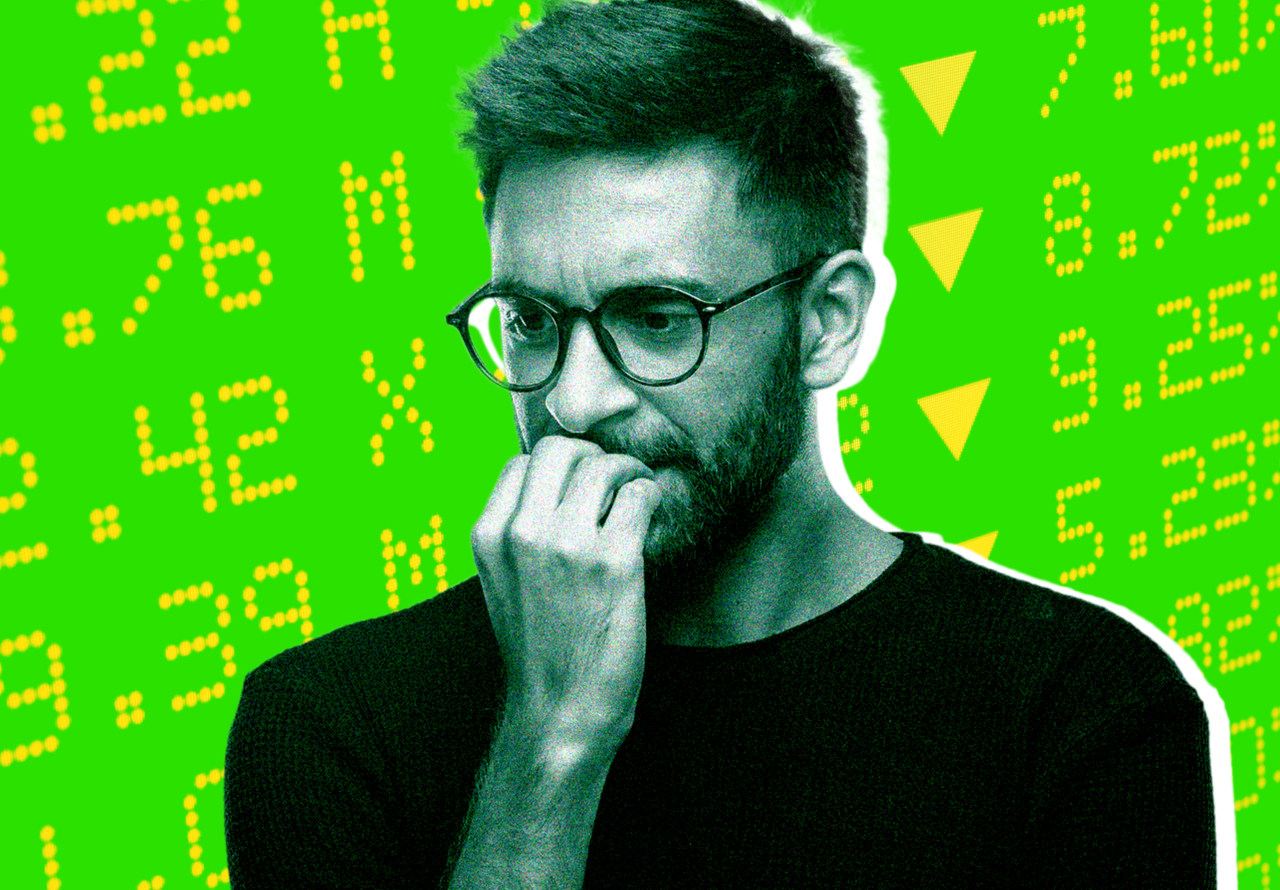
Concerns surrounding the potential impact of artificial intelligence (AI) on job security have led to significant fluctuations in global stock markets. As of October 2023, investors are increasingly wary that AI could disrupt traditional sectors such as insurance and wealth management, prompting a wave of selling in technology stocks and beyond.
The anxiety is palpable as companies adjust to a rapidly evolving landscape. Major financial institutions are reassessing their strategies in light of AI advancements. This shift is evident in the stock prices of firms directly tied to these sectors. For instance, shares in prominent insurance companies have seen declines as analysts predict that AI could streamline operations, potentially reducing the need for human labor.
Market Reactions and Economic Implications
The stock market’s response has been swift and decisive. On October 5, 2023, indices across the board experienced notable drops, with the S&P 500 falling by approximately 3.2% and technology stocks leading the decline. This has raised questions about the wider economic implications of AI integration in established industries.
Investors are not just reacting to immediate market trends; they are also considering the long-term effects of AI on employment. The prospect of machine learning systems performing tasks traditionally carried out by human workers has sparked fears that white-collar jobs could become obsolete. According to a report by the World Economic Forum, it is estimated that 85 million jobs could be displaced by AI by 2025, although the same report suggests that new roles will also emerge, creating a net increase in job opportunities.
Industry Leaders Respond
Industry leaders are voicing their thoughts on the evolving situation. Mark Zuckerberg, CEO of Meta, asserted that while AI has the potential to enhance productivity, it is crucial to approach its implementation with caution to ensure that workers are not left behind. Similarly, Mary Barra, CEO of General Motors, emphasized the need for collaboration between technology and workforce development to mitigate the risks associated with AI adoption.
As companies navigate these challenges, many are investing in retraining programs for employees to adapt to new roles that AI may create. The financial sector, in particular, is focusing on reskilling initiatives to prepare its workforce for a future where human-AI collaboration is the norm.
The current market volatility reflects broader societal concerns about the implications of rapid technological advancements. While AI offers the promise of increased efficiency and innovation, it also raises critical questions about the future of work and the stability of established industries.
In conclusion, as October 2023 unfolds, the stock market’s fluctuations driven by AI apprehensions serve as a reminder of the delicate balance between technological progress and the workforce’s well-being. Investors will continue to watch closely as companies adapt to this new reality.

Cosmic Mystery Deepens: Where Are the Universe’s Defects?

Lady Bulldogs Shine in Postseason Awards Following Final Four Run

CALV Hosts Essential Class for Local Real Estate Professionals

Urgent Alert: “Spaving” Surges as Shoppers Overspend Online

Jefferies Initiates Coverage on Insmed with “Buy” Rating

Three Dog Night to Perform with Ambrosia at Mayo Civic Center

Urgent Announcement: Charles M. Payment Passes Away at 78

Houston Education Foundation Donates $4,592 for Student Programs

Beeks Financial Cloud Shares Drop 7% Amid Increased Trading Volume

Foreign Inflows into Japan Stocks Surge to ¥1.34 Trillion

University of Hawaiʻi Joins $25.6M AI Project to Monitor Disasters

Sydney Sweeney Embraces Body Positivity Amid Hollywood Challenges

Hudson Williams Gains Popularity as Breakout Star on Heated Rivalry

Urgent Farewell: Joleen Chaney Leaves Legacy at KFOR

Boeing’s Merger with McDonnell Douglas: A Strategic Move Explained

$1.25M Grant Advances Hawaiʻi’s Real-Time Hazard Monitoring

Derrick Dove and ABAC Band Set for Free Americana Concert

BOYNEXTDOOR’s Jaehyun Faces Backlash Amid BTS-TWICE Controversy
-
Business9 months ago
Foreign Inflows into Japan Stocks Surge to ¥1.34 Trillion
-
Science9 months ago
University of Hawaiʻi Joins $25.6M AI Project to Monitor Disasters
-
 Entertainment9 months ago
Sydney Sweeney Embraces Body Positivity Amid Hollywood Challenges
-
 Entertainment7 months ago
Hudson Williams Gains Popularity as Breakout Star on Heated Rivalry
-
 Top Stories8 months ago
Urgent Farewell: Joleen Chaney Leaves Legacy at KFOR
-
 World9 months ago
Boeing’s Merger with McDonnell Douglas: A Strategic Move Explained
-
 Science7 months ago
$1.25M Grant Advances Hawaiʻi’s Real-Time Hazard Monitoring
-
 Entertainment8 months ago
Derrick Dove and ABAC Band Set for Free Americana Concert
-
 Top Stories9 months ago
BOYNEXTDOOR’s Jaehyun Faces Backlash Amid BTS-TWICE Controversy
-

 Health6 months ago
Bodybuilder Eugene Teo Transitions to Mindful Movement for Health
-

 World6 months ago
San Francisco Airport to Host 16 Nonstop Airlines to Europe in 2026
-

 Top Stories7 months ago
National Coast Guard Museum Set to Open in 2027 After Funding Secured