
Business
Indiana Lawmakers Propose Elimination of Health-Specific Retirement Benefit

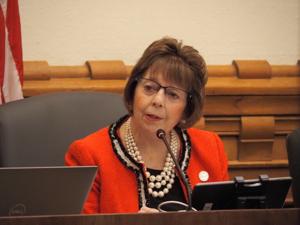
Legislation in Indiana is advancing to phase out a retirement benefit designed to assist with health-related expenses. This initiative, introduced nearly two decades ago, was originally implemented to reduce the state’s payroll costs.
The Indiana General Assembly is currently debating the implications of this move, which could significantly impact retired state employees who rely on this benefit. The health-specific retirement benefit was first established in 2004 as part of broader efforts to streamline state expenditures.
The proposed changes come amid ongoing discussions about state fiscal responsibility and budget allocations. Supporters of the legislation argue that eliminating the health-specific benefit will alleviate financial burdens on the state, allowing for better allocation of resources. Critics, however, express concern about the potential repercussions for retirees who depend on this assistance for medical expenses.
This benefit has provided crucial support for many former state employees, particularly in managing rising healthcare costs. In recent years, healthcare expenditures have increased significantly, making this support even more vital for individuals on fixed incomes.
According to a statement from Governor Eric Holcomb, “As we evaluate our budget, we must ensure that we are making responsible decisions that reflect the needs of all Hoosiers.” The governor’s office has not specified how this proposed change would directly affect retired state workers in terms of their overall financial security.
The Indiana General Assembly is expected to vote on this proposal in the coming weeks. If passed, this legislation could mark a significant shift in the way the state supports its retirees. The outcome of this decision will likely resonate beyond Indiana, potentially influencing similar discussions in other states facing budgetary constraints.
Stakeholders, including advocacy groups for retirees, are closely monitoring this situation. They argue that the phase-out of such benefits could set a precedent that undermines the financial safety net for retired public workers across the nation.
As debates continue in Indianapolis, the implications of this proposed legislation remain uncertain. The discussions reflect broader themes of fiscal responsibility and the balance between state budgets and the welfare of citizens who have dedicated their careers to public service.

Cosmic Mystery Deepens: Where Are the Universe’s Defects?

Lady Bulldogs Shine in Postseason Awards Following Final Four Run

CALV Hosts Essential Class for Local Real Estate Professionals

Urgent Alert: “Spaving” Surges as Shoppers Overspend Online

Jefferies Initiates Coverage on Insmed with “Buy” Rating

Three Dog Night to Perform with Ambrosia at Mayo Civic Center

Urgent Announcement: Charles M. Payment Passes Away at 78

Houston Education Foundation Donates $4,592 for Student Programs

Beeks Financial Cloud Shares Drop 7% Amid Increased Trading Volume

Foreign Inflows into Japan Stocks Surge to ¥1.34 Trillion

University of Hawaiʻi Joins $25.6M AI Project to Monitor Disasters

Sydney Sweeney Embraces Body Positivity Amid Hollywood Challenges

Hudson Williams Gains Popularity as Breakout Star on Heated Rivalry

Urgent Farewell: Joleen Chaney Leaves Legacy at KFOR

Boeing’s Merger with McDonnell Douglas: A Strategic Move Explained

$1.25M Grant Advances Hawaiʻi’s Real-Time Hazard Monitoring

Derrick Dove and ABAC Band Set for Free Americana Concert

BOYNEXTDOOR’s Jaehyun Faces Backlash Amid BTS-TWICE Controversy
-
Business9 months ago
Foreign Inflows into Japan Stocks Surge to ¥1.34 Trillion
-
Science9 months ago
University of Hawaiʻi Joins $25.6M AI Project to Monitor Disasters
-
 Entertainment9 months ago
Sydney Sweeney Embraces Body Positivity Amid Hollywood Challenges
-
 Entertainment8 months ago
Hudson Williams Gains Popularity as Breakout Star on Heated Rivalry
-
 Top Stories9 months ago
Urgent Farewell: Joleen Chaney Leaves Legacy at KFOR
-
 World9 months ago
Boeing’s Merger with McDonnell Douglas: A Strategic Move Explained
-
 Science8 months ago
$1.25M Grant Advances Hawaiʻi’s Real-Time Hazard Monitoring
-
 Entertainment8 months ago
Derrick Dove and ABAC Band Set for Free Americana Concert
-
 Top Stories9 months ago
BOYNEXTDOOR’s Jaehyun Faces Backlash Amid BTS-TWICE Controversy
-

 Health6 months ago
Bodybuilder Eugene Teo Transitions to Mindful Movement for Health
-

 World6 months ago
San Francisco Airport to Host 16 Nonstop Airlines to Europe in 2026
-

 Top Stories7 months ago
National Coast Guard Museum Set to Open in 2027 After Funding Secured