
Business
California Lawmakers Push for Nuclear Energy Revival Amid Energy Crisis

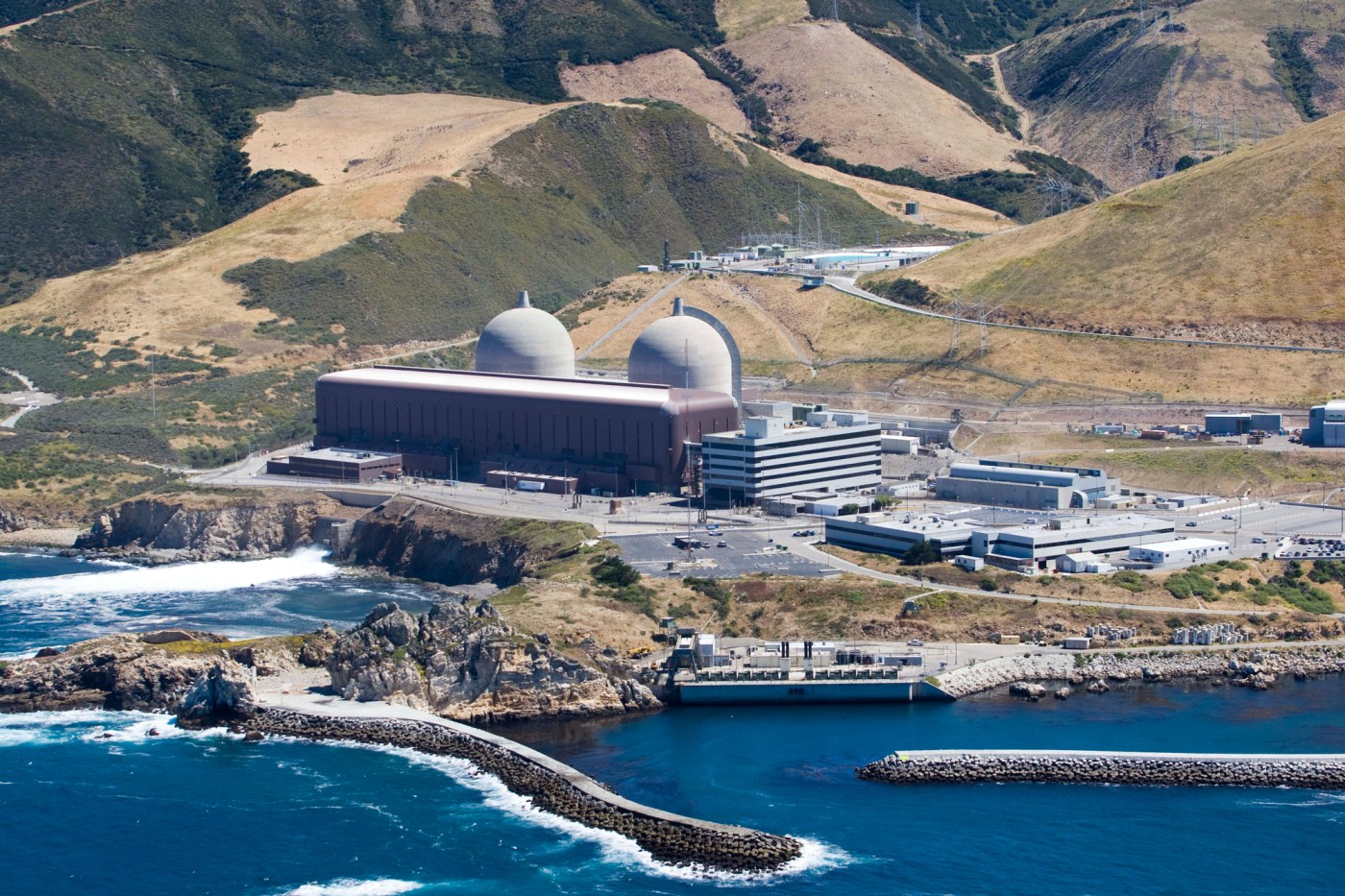
California is moving towards the revival of nuclear energy, as a bipartisan coalition of lawmakers has introduced legislation aimed at exempting modern nuclear reactors from a long-standing moratorium. Led by Democratic Assemblymembers Lisa Calderon, John Harabedian, and Alex Lee, alongside Republican Senator Brian Jones, the proposed law would allow reactors approved by the Nuclear Regulatory Commission since 2005, including the advanced AP1000 design, to be built in the state.
This initiative marks a significant shift in California’s energy policy, particularly given the state’s historical resistance to nuclear energy. Since 1976, California has maintained a moratorium on new nuclear reactors, becoming the first state in the U.S. to impose such restrictions. This decision followed public fears heightened by the Three Mile Island accident, despite the fact that the incident resulted in no fatalities or major environmental damage.
The recent introduction of this legislation reflects a growing recognition of the need for reliable and clean energy sources. California has been grappling with rising electricity prices and grid reliability issues, prompting lawmakers to reconsider the role of nuclear energy in meeting the state’s ambitious environmental goals.
The legislation’s timing is particularly pertinent as California faces increasing challenges related to energy demands and emissions reduction. According to recent studies, state policies such as net metering and renewable portfolio standards have contributed to some of the highest electricity rates in the nation. As concerns about grid reliability mount, lawmakers are increasingly acknowledging the potential benefits of nuclear power.
The ongoing debate surrounding the state’s nuclear capabilities has been underscored by the fate of the Diablo Canyon power plant, California’s last operational nuclear facility. Initially slated for closure in 2025, state officials have since recognized the importance of keeping Diablo Canyon operational to meet both reliability and emissions goals. Extensions have been granted, allowing the plant to remain active until at least 2030.
This evolving perspective on nuclear energy is welcomed by advocates who emphasize its potential to provide a stable and low-emission power source. Advocates argue that modern reactors come equipped with advanced safety features, making them a viable option for addressing California’s energy needs.
The introduction of this legislation is a clear indication that California lawmakers are seeking a balanced approach to energy policy, one that prioritizes reliability, affordability, and emissions reduction. As the fourth-largest economy in the world, California’s energy strategy will significantly influence both state and national energy landscapes.
The renewed openness to nuclear energy could represent a turning point for California, where the longstanding anti-nuclear sentiment has often overshadowed the potential benefits of this energy source. The current energy crisis, marked by high prices and reliability concerns, is prompting a reevaluation of past decisions, suggesting that nuclear energy may play a critical role in the state’s energy future.
As California continues to navigate its energy challenges, the bipartisan support for nuclear energy could pave the way for a more diverse and sustainable energy portfolio, aligning with the state’s environmental objectives while ensuring a reliable power supply for its residents.

Cosmic Mystery Deepens: Where Are the Universe’s Defects?

Lady Bulldogs Shine in Postseason Awards Following Final Four Run

CALV Hosts Essential Class for Local Real Estate Professionals

Urgent Alert: “Spaving” Surges as Shoppers Overspend Online

Jefferies Initiates Coverage on Insmed with “Buy” Rating

Three Dog Night to Perform with Ambrosia at Mayo Civic Center

Urgent Announcement: Charles M. Payment Passes Away at 78

Houston Education Foundation Donates $4,592 for Student Programs

Beeks Financial Cloud Shares Drop 7% Amid Increased Trading Volume

Foreign Inflows into Japan Stocks Surge to ¥1.34 Trillion

University of Hawaiʻi Joins $25.6M AI Project to Monitor Disasters

Sydney Sweeney Embraces Body Positivity Amid Hollywood Challenges

Hudson Williams Gains Popularity as Breakout Star on Heated Rivalry

Urgent Farewell: Joleen Chaney Leaves Legacy at KFOR

Boeing’s Merger with McDonnell Douglas: A Strategic Move Explained

$1.25M Grant Advances Hawaiʻi’s Real-Time Hazard Monitoring

Derrick Dove and ABAC Band Set for Free Americana Concert

BOYNEXTDOOR’s Jaehyun Faces Backlash Amid BTS-TWICE Controversy
-
Business9 months ago
Foreign Inflows into Japan Stocks Surge to ¥1.34 Trillion
-
Science8 months ago
University of Hawaiʻi Joins $25.6M AI Project to Monitor Disasters
-
 Entertainment9 months ago
Sydney Sweeney Embraces Body Positivity Amid Hollywood Challenges
-
 Entertainment7 months ago
Hudson Williams Gains Popularity as Breakout Star on Heated Rivalry
-
 Top Stories8 months ago
Urgent Farewell: Joleen Chaney Leaves Legacy at KFOR
-
 World9 months ago
Boeing’s Merger with McDonnell Douglas: A Strategic Move Explained
-
 Science7 months ago
$1.25M Grant Advances Hawaiʻi’s Real-Time Hazard Monitoring
-
 Entertainment8 months ago
Derrick Dove and ABAC Band Set for Free Americana Concert
-
 Top Stories9 months ago
BOYNEXTDOOR’s Jaehyun Faces Backlash Amid BTS-TWICE Controversy
-

 Health6 months ago
Bodybuilder Eugene Teo Transitions to Mindful Movement for Health
-

 World6 months ago
San Francisco Airport to Host 16 Nonstop Airlines to Europe in 2026
-

 Top Stories7 months ago
National Coast Guard Museum Set to Open in 2027 After Funding Secured