
Lifestyle
Advocates and Faith Leaders Promote Smoke-Free Living for Equity

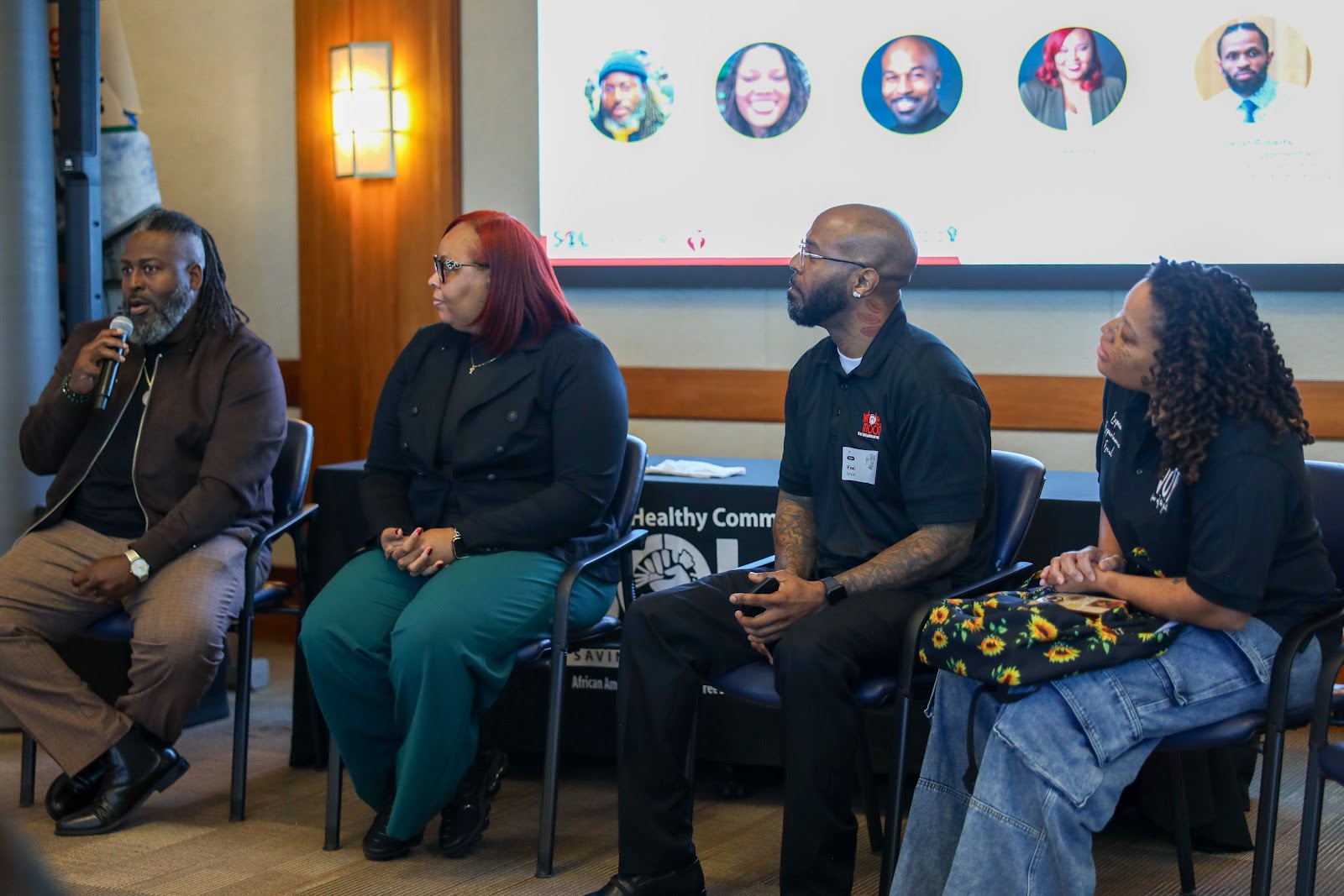
On February 26, 2024, advocates and faith leaders convened at the Sierra Health Foundation in Sacramento, California, to promote smoke-free living as an issue of equity. During the third Faith in Health Collaborative Summit, youth advocate Fxxii Irvin shared personal experiences that highlighted the detrimental effects of smoking in his community. He emphasized the need for collective action and accountability in addressing the tobacco epidemic, particularly in marginalized communities.
The summit, organized by the SOL Project, focused on the harmful effects of tobacco marketing and the importance of community-led initiatives. Kimberly Bankston-Lee, founder and executive director of the SOL Project, stated, “Black communities continue to be disproportionately targeted by the tobacco industry.” She outlined the organization’s mission to protect and advance the health of African Americans through policy changes and culturally relevant education.
According to the California Department of Public Health, while the overall smoking rate in the state has fallen below 10%, approximately 80-85% of Black smokers in the United States use menthol cigarettes. These products are associated with higher addiction rates and are heavily marketed in Black neighborhoods. The summit’s theme, “Black Health in 2026: Strengthening Our Future Through Smoke-Free Living and Community Care,” connected tobacco issues to faith leadership and systemic equity.
During his keynote address, Gregory Bolden, community initiatives program manager with the Center for Black Health and Equity, urged attendees to view tobacco prevention as a cultural and historical movement. “If we want real change, we have to listen and move collectively,” he stated, emphasizing the importance of community engagement in this effort.
Faith leaders present at the summit framed smoke-free living as both a moral obligation and a public health necessity. Pastor Tecoy Porter, senior pastor of Genesis Church Sacramento, highlighted the impact of tobacco on families facing economic stress, stating, “Smoke-free living is about honoring the whole person. Body, mind, and spirit.”
Health officials also participated in discussions on access to care. Savannah Robinson, a community relations professional with Anthem Blue Cross Medi-Cal, shared information about free cessation resources available to Medi-Cal members in Sacramento County. These resources include the EX Program, which provides personalized support and home delivery of cessation medications. Robinson emphasized the importance of primary care visits in supporting individuals who wish to quit smoking.
Despite access to resources, advocates like Rhonda Smith, executive director of the California Black Health Network, stressed that health outcomes for Black Californians still lag behind those of other populations. She noted a life expectancy gap of approximately 6 to 6.5 years for Black residents compared to their counterparts, a disparity exacerbated by the COVID-19 pandemic. “It’s incumbent upon us to figure out what we can do to create a safety net,” she said.
The summit also addressed the need for structural protections against secondhand smoke exposure in multi-unit housing. Speakers pointed out that shared ventilation systems often allow smoke to drift between apartments, putting vulnerable residents at risk. Leila Gholamrezaei-Eha, project director for the tobacco prevention program at the Fresno County Department of Public Health, shared a successful model from Fresno, where community members collaborated with public health officials to implement smoke-free protections in housing.
Participants acknowledged that fear of retaliation from property managers often hinders residents from advocating for smoke-free policies. Most smoke-free housing measures are civil and focused on public health rather than criminal penalties. This approach aims to support residents while providing cessation resources.
As the summit progressed, speakers underscored the importance of engaging youth in tobacco prevention efforts. The 2024 California Youth Tobacco Survey indicated that approximately 6.4% of high school students use tobacco products, including vapes and nicotine pouches. Berry Accius, founder and executive director of Voice of the Youth, highlighted how the discreet nature of vaping devices complicates detection of nicotine use among teenagers.
He noted that marketing strategies often frame smoking as a normalized behavior, making it more appealing to young people. Lorreen Pryor, president and CEO of the Black Leadership Project, emphasized the need for proactive prevention measures that address the unique challenges faced by youth.
To combat misinformation about vaping, Kayla Green, a trauma-informed youth advocate, pointed out that many young people view vaping as a safer alternative to traditional smoking. She stressed the necessity of providing healthier coping mechanisms for youth facing stress and trauma.
As the summit concluded, participants reaffirmed the importance of addressing tobacco’s uneven impact on communities. Fxxii Irvin encapsulated the sense of urgency felt by many advocates: “This isn’t abstract. It’s our families, our kids, our future.” The collective call to action underscored the need for ongoing efforts to ensure smoke-free living and equitable access to resources for all communities.

Cosmic Mystery Deepens: Where Are the Universe’s Defects?

Lady Bulldogs Shine in Postseason Awards Following Final Four Run

CALV Hosts Essential Class for Local Real Estate Professionals

Urgent Alert: “Spaving” Surges as Shoppers Overspend Online

Jefferies Initiates Coverage on Insmed with “Buy” Rating

Three Dog Night to Perform with Ambrosia at Mayo Civic Center

Urgent Announcement: Charles M. Payment Passes Away at 78

Houston Education Foundation Donates $4,592 for Student Programs

Beeks Financial Cloud Shares Drop 7% Amid Increased Trading Volume

Foreign Inflows into Japan Stocks Surge to ¥1.34 Trillion

University of Hawaiʻi Joins $25.6M AI Project to Monitor Disasters

Sydney Sweeney Embraces Body Positivity Amid Hollywood Challenges

Hudson Williams Gains Popularity as Breakout Star on Heated Rivalry

Urgent Farewell: Joleen Chaney Leaves Legacy at KFOR

Boeing’s Merger with McDonnell Douglas: A Strategic Move Explained

$1.25M Grant Advances Hawaiʻi’s Real-Time Hazard Monitoring

Derrick Dove and ABAC Band Set for Free Americana Concert

BOYNEXTDOOR’s Jaehyun Faces Backlash Amid BTS-TWICE Controversy
-
Business9 months ago
Foreign Inflows into Japan Stocks Surge to ¥1.34 Trillion
-
Science8 months ago
University of Hawaiʻi Joins $25.6M AI Project to Monitor Disasters
-
 Entertainment9 months ago
Sydney Sweeney Embraces Body Positivity Amid Hollywood Challenges
-
 Entertainment7 months ago
Hudson Williams Gains Popularity as Breakout Star on Heated Rivalry
-
 Top Stories8 months ago
Urgent Farewell: Joleen Chaney Leaves Legacy at KFOR
-
 World9 months ago
Boeing’s Merger with McDonnell Douglas: A Strategic Move Explained
-
 Science7 months ago
$1.25M Grant Advances Hawaiʻi’s Real-Time Hazard Monitoring
-
 Entertainment8 months ago
Derrick Dove and ABAC Band Set for Free Americana Concert
-
 Top Stories9 months ago
BOYNEXTDOOR’s Jaehyun Faces Backlash Amid BTS-TWICE Controversy
-

 Health6 months ago
Bodybuilder Eugene Teo Transitions to Mindful Movement for Health
-

 World6 months ago
San Francisco Airport to Host 16 Nonstop Airlines to Europe in 2026
-

 Top Stories7 months ago
National Coast Guard Museum Set to Open in 2027 After Funding Secured