
Science
NotebookLM’s Mind Map Transforms Research Organization for Users

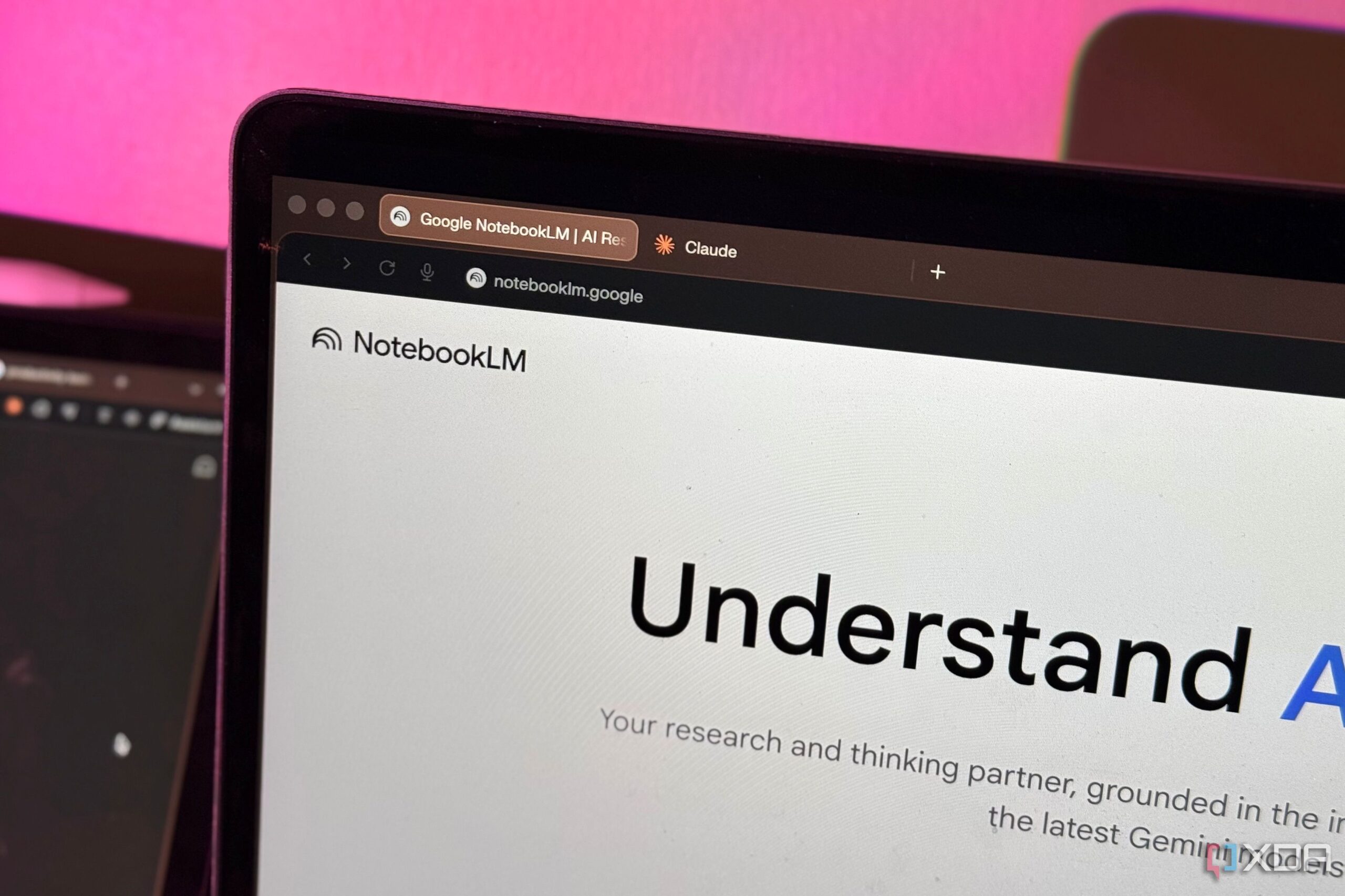
NotebookLM, a versatile note-taking application, has introduced a feature called Mind Map that significantly enhances the way users organize their research. With many individuals struggling to maintain coherent notes, this innovative tool provides clarity by visually connecting disparate ideas and concepts.
Streamlining the Research Process
Users often find themselves overwhelmed by the sheer volume of information they aim to compile. One NotebookLM user noted a transformation in their approach to studying, stating that what initially seemed like just another note-taking app turned out to be a perfect fit for their cognitive style. The Mind Map feature organizes scattered notes effectively, allowing users to visualize how their research links together.
The Mind Map serves as a valuable starting point for those unsure of where to begin. By expanding each branch only upon user interaction, it allows for a controlled exploration of the material. For instance, when a user uploaded their sources related to Python, the Mind Map generated a single node that branched out into various categories, including Programming Language, Biology Genus, and Media and Entertainment. This functionality not only clarifies the multiple meanings associated with “Python” but also enables focused navigation through complex topics.
Efficient Navigation and Organization
As users interact with the Mind Map, they can delve deeper into specific areas of interest. When one user clicked on the Programming Language node, it expanded into six additional categories, including Core Concepts, with answers drawn directly from their uploaded sources. This integration eliminates the need to toggle between multiple tabs, thus saving time and reducing frustration.
The Mind Map also features a button that allows users to expand every node simultaneously. However, this option may lead to visual clutter. One user shared their experience of using this feature, expressing regret as it made the information difficult to decipher. They found that collapsing to the initial view provided a clearer understanding, highlighting the importance of visual organization in learning.
NotebookLM’s Mind Map has proven particularly effective for reviewing familiar subjects. By minimizing visual distractions, users can concentrate on main ideas without being bogged down by extensive text.
Upon testing the Mind Map with ten diverse sources—including a detailed research export from ChatGPT—the user was pleasantly surprised by its automatic organization capabilities. Regardless of file formats, such as PDFs or text exports, the Mind Map consistently presented information in a coherent manner, demonstrating its adaptability and efficiency.
While Mind Map excels in organization, it remains crucial for users to input reliable and up-to-date sources. The quality of the research material directly affects the effectiveness of the Mind Map. Outdated or untrustworthy sources may lead to inaccuracies, as the tool does not inherently assess the credibility or timeliness of the content uploaded.
NotebookLM does not include a built-in feature to scan sources for currency, requiring users to manually verify the age of their materials. Although the Mind Map will not identify weak research, it simplifies the organization of solid content, allowing users to see relationships between topics and identify gaps in their research.
Overall, the Mind Map feature of NotebookLM is a significant advancement in research organization, enabling users to maximize their efficiency and comprehension. As the tool continues to gain traction among students and professionals alike, users can expect to spend less time sorting through notes and more time engaging with and learning from their material.

Cosmic Mystery Deepens: Where Are the Universe’s Defects?

Lady Bulldogs Shine in Postseason Awards Following Final Four Run

CALV Hosts Essential Class for Local Real Estate Professionals

Urgent Alert: “Spaving” Surges as Shoppers Overspend Online

Jefferies Initiates Coverage on Insmed with “Buy” Rating

Three Dog Night to Perform with Ambrosia at Mayo Civic Center

Urgent Announcement: Charles M. Payment Passes Away at 78

Houston Education Foundation Donates $4,592 for Student Programs

Beeks Financial Cloud Shares Drop 7% Amid Increased Trading Volume

Foreign Inflows into Japan Stocks Surge to ¥1.34 Trillion

University of Hawaiʻi Joins $25.6M AI Project to Monitor Disasters

Sydney Sweeney Embraces Body Positivity Amid Hollywood Challenges

Hudson Williams Gains Popularity as Breakout Star on Heated Rivalry

Urgent Farewell: Joleen Chaney Leaves Legacy at KFOR

Boeing’s Merger with McDonnell Douglas: A Strategic Move Explained

$1.25M Grant Advances Hawaiʻi’s Real-Time Hazard Monitoring

Derrick Dove and ABAC Band Set for Free Americana Concert

BOYNEXTDOOR’s Jaehyun Faces Backlash Amid BTS-TWICE Controversy
-
Business7 months ago
Foreign Inflows into Japan Stocks Surge to ¥1.34 Trillion
-
Science7 months ago
University of Hawaiʻi Joins $25.6M AI Project to Monitor Disasters
-
 Entertainment7 months ago
Sydney Sweeney Embraces Body Positivity Amid Hollywood Challenges
-
 Entertainment6 months ago
Hudson Williams Gains Popularity as Breakout Star on Heated Rivalry
-
 Top Stories7 months ago
Urgent Farewell: Joleen Chaney Leaves Legacy at KFOR
-
 World7 months ago
Boeing’s Merger with McDonnell Douglas: A Strategic Move Explained
-
 Science6 months ago
$1.25M Grant Advances Hawaiʻi’s Real-Time Hazard Monitoring
-
 Entertainment6 months ago
Derrick Dove and ABAC Band Set for Free Americana Concert
-
 Top Stories7 months ago
BOYNEXTDOOR’s Jaehyun Faces Backlash Amid BTS-TWICE Controversy
-

 Health4 months ago
Bodybuilder Eugene Teo Transitions to Mindful Movement for Health
-

 Health5 months ago
Hartford’s Abandoned Tower Faces Growing Safety Concerns
-

 Top Stories5 months ago
National Coast Guard Museum Set to Open in 2027 After Funding Secured