
Health
Kennedy’s HPV Vaccine Review Sparks Concerns Over Cancer Rates

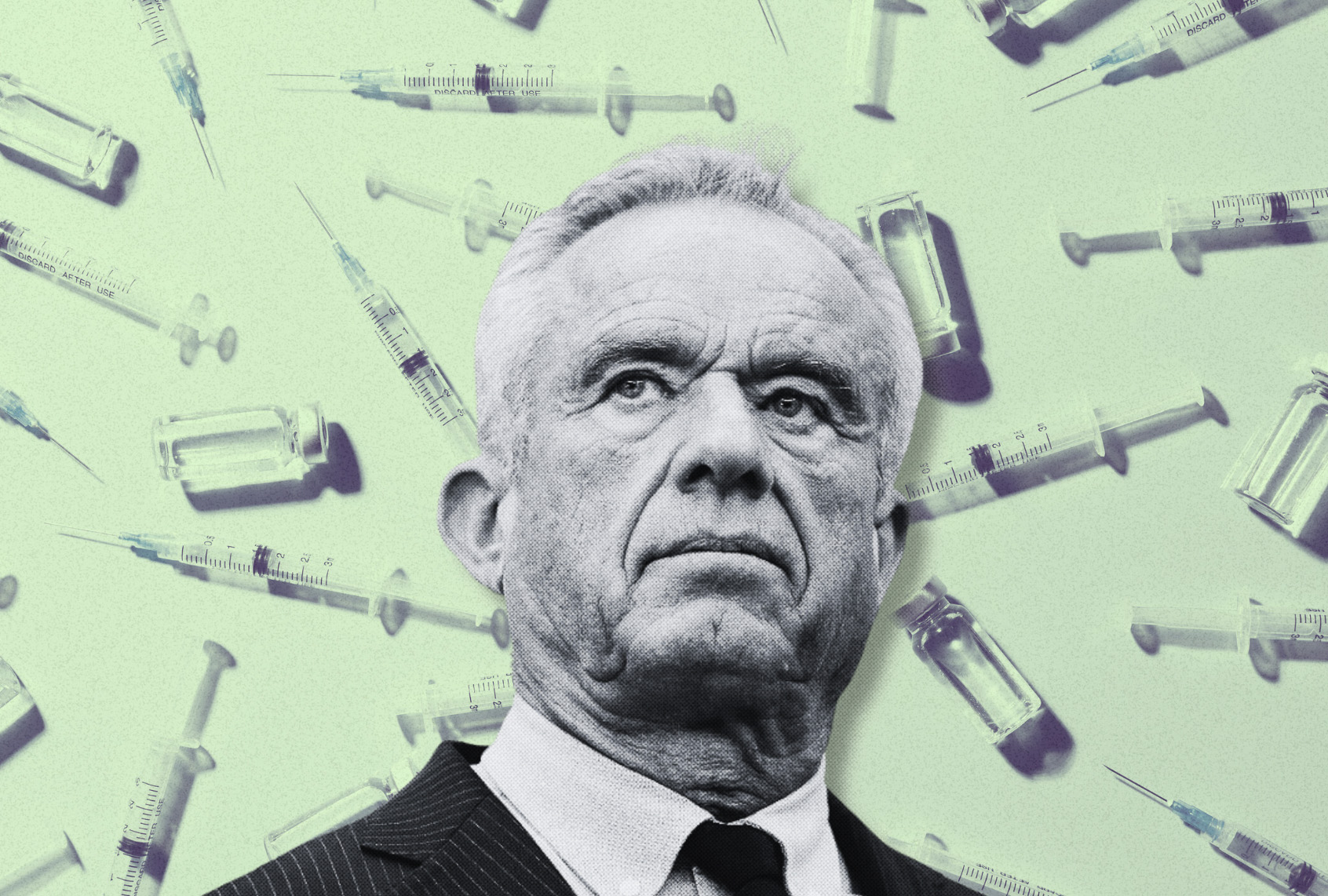
Cervical cancer, which ranks as the fourth most common cancer among women globally, claims approximately 350,000 lives annually. Fortunately, there has been an effective method of prevention for nearly two decades: the HPV vaccine. Studies indicate that girls vaccinated before the age of 16 are 80 percent less likely to develop cervical cancer. However, recent actions by Health and Human Services Secretary Robert F. Kennedy Jr. have raised concerns that these advances could be jeopardized.
Under Kennedy’s leadership, the Centers for Disease Control and Prevention’s Advisory Committee on Immunization Practices (ACIP) has announced plans for a comprehensive review of the HPV vaccine’s efficacy, safety, and vaccination schedule. This review aims to reassess the recommended age for routine vaccination and may lead to new policy recommendations regarding the vaccine.
Kennedy, who founded the anti-vaccine organization Children’s Health Defense, has publicly criticized the HPV vaccine. In 2021, he referred to the Gardasil vaccine as “dangerous and defective,” making the unfounded claim that it increases the risk of cervical cancer. His financial ties to Wisner Baum, a law firm currently litigating against vaccine manufacturers, have also come under scrutiny.
In response to these developments, Senators Edward Markey, Elizabeth Warren, Richard Blumenthal, and Angela Alsobrooks sent a letter to Kennedy and Attorney General Pam Bondi, urging him to recuse himself from matters related to vaccine injury compensation. They expressed concerns about potential conflicts of interest arising from Kennedy’s financial ties to vaccine litigation and the implications for public health policy.
Medical professionals have voiced strong opinions against the need for further scrutiny of the HPV vaccine. Dr. Melissa Simon, an obstetrician-gynecologist at Northwestern Medicine, criticized the review as being driven by ideology rather than scientific evidence. “Cervical cancer is largely caused by HPV, and therefore any forced ‘re-review’ is not based on any new scientific evidence,” she stated.
The stigma surrounding the HPV vaccine has persisted since its approval in 2006. Many individuals associate it with sexual activity, leading to hesitance among parents to vaccinate their children. However, between 70 and 80 percent of sexually active individuals will contract the HPV virus at some stage in their lives, with certain types linked to various cancers, including cervical cancer. The Gardasil 9 vaccine protects against the strains of HPV most commonly associated with these cancers.
Dr. Helen Bedford, a professor of children’s health at University College London, noted that while vaccination rates have declined, it is still important to target younger individuals. In the U.S., the recommendation has often been to begin vaccinations around ages 11 or 12, although it can start as early as age nine. Currently, the U.K. offers the vaccine as part of a school vaccination program at ages 12 and 13.
Kennedy’s review will potentially consider changing the recommended age for vaccination, but experts agree that early vaccination is key. With the ACIP’s reassessment of the vaccine’s safety and efficacy, recent studies continue to support its effectiveness. A modeling study published in the Annals of Internal Medicine revealed that individuals vaccinated between ages 12 and 24 may require cervical cancer screenings only once every 15 to 25 years, indicating that the vaccine significantly reduces the need for frequent screenings.
Furthermore, a review published by Cochrane in November 2025 reaffirmed that HPV vaccines effectively prevent cervical cancer, especially when administered before exposure to the virus. A study from Public Health Scotland reported no cervical cancer cases among fully vaccinated women who received the vaccine between ages 12 and 13 since the program commenced in 2008.
The CDC has already modified its recommendations for the HPV vaccine, suggesting one dose instead of two. While the World Health Organization supports this one-dose schedule based on recent findings, experts maintain that two to three doses are essential for older individuals and those with weakened immune systems.
Dr. Simon emphasized that current evidence suggests one dose is sufficient for long-term protection against HPV-related cervical cancer. Despite these advancements, the potential decline in vaccination rates poses a significant risk. “If HPV vaccination rates fall, it’s possible cervical cancer rates can rise,” Bedford stated.
The international perspective on this ongoing debate is troubling. Bedford remarked, “We’ve always looked to the United States to see how things are going in vaccine programs,” highlighting the global implications of Kennedy’s actions. The evidence supporting the HPV vaccine continues to accumulate, reinforcing its critical role in preventing cancer and protecting public health.
As discussions continue, the importance of evidence-based health policies remains paramount to safeguarding the well-being of future generations.

Cosmic Mystery Deepens: Where Are the Universe’s Defects?

Lady Bulldogs Shine in Postseason Awards Following Final Four Run

CALV Hosts Essential Class for Local Real Estate Professionals

Urgent Alert: “Spaving” Surges as Shoppers Overspend Online

Jefferies Initiates Coverage on Insmed with “Buy” Rating

Three Dog Night to Perform with Ambrosia at Mayo Civic Center

Urgent Announcement: Charles M. Payment Passes Away at 78

Houston Education Foundation Donates $4,592 for Student Programs

Beeks Financial Cloud Shares Drop 7% Amid Increased Trading Volume

Foreign Inflows into Japan Stocks Surge to ¥1.34 Trillion

University of Hawaiʻi Joins $25.6M AI Project to Monitor Disasters

Sydney Sweeney Embraces Body Positivity Amid Hollywood Challenges

Hudson Williams Gains Popularity as Breakout Star on Heated Rivalry

Urgent Farewell: Joleen Chaney Leaves Legacy at KFOR

Boeing’s Merger with McDonnell Douglas: A Strategic Move Explained

$1.25M Grant Advances Hawaiʻi’s Real-Time Hazard Monitoring

Derrick Dove and ABAC Band Set for Free Americana Concert

BOYNEXTDOOR’s Jaehyun Faces Backlash Amid BTS-TWICE Controversy
-
Business9 months ago
Foreign Inflows into Japan Stocks Surge to ¥1.34 Trillion
-
Science8 months ago
University of Hawaiʻi Joins $25.6M AI Project to Monitor Disasters
-
 Entertainment9 months ago
Sydney Sweeney Embraces Body Positivity Amid Hollywood Challenges
-
 Entertainment7 months ago
Hudson Williams Gains Popularity as Breakout Star on Heated Rivalry
-
 Top Stories8 months ago
Urgent Farewell: Joleen Chaney Leaves Legacy at KFOR
-
 World9 months ago
Boeing’s Merger with McDonnell Douglas: A Strategic Move Explained
-
 Science7 months ago
$1.25M Grant Advances Hawaiʻi’s Real-Time Hazard Monitoring
-
 Entertainment8 months ago
Derrick Dove and ABAC Band Set for Free Americana Concert
-
 Top Stories9 months ago
BOYNEXTDOOR’s Jaehyun Faces Backlash Amid BTS-TWICE Controversy
-

 Health6 months ago
Bodybuilder Eugene Teo Transitions to Mindful Movement for Health
-

 World6 months ago
San Francisco Airport to Host 16 Nonstop Airlines to Europe in 2026
-

 Top Stories7 months ago
National Coast Guard Museum Set to Open in 2027 After Funding Secured