
World
Australians Turn to Black Market as Cigarette Prices Soar

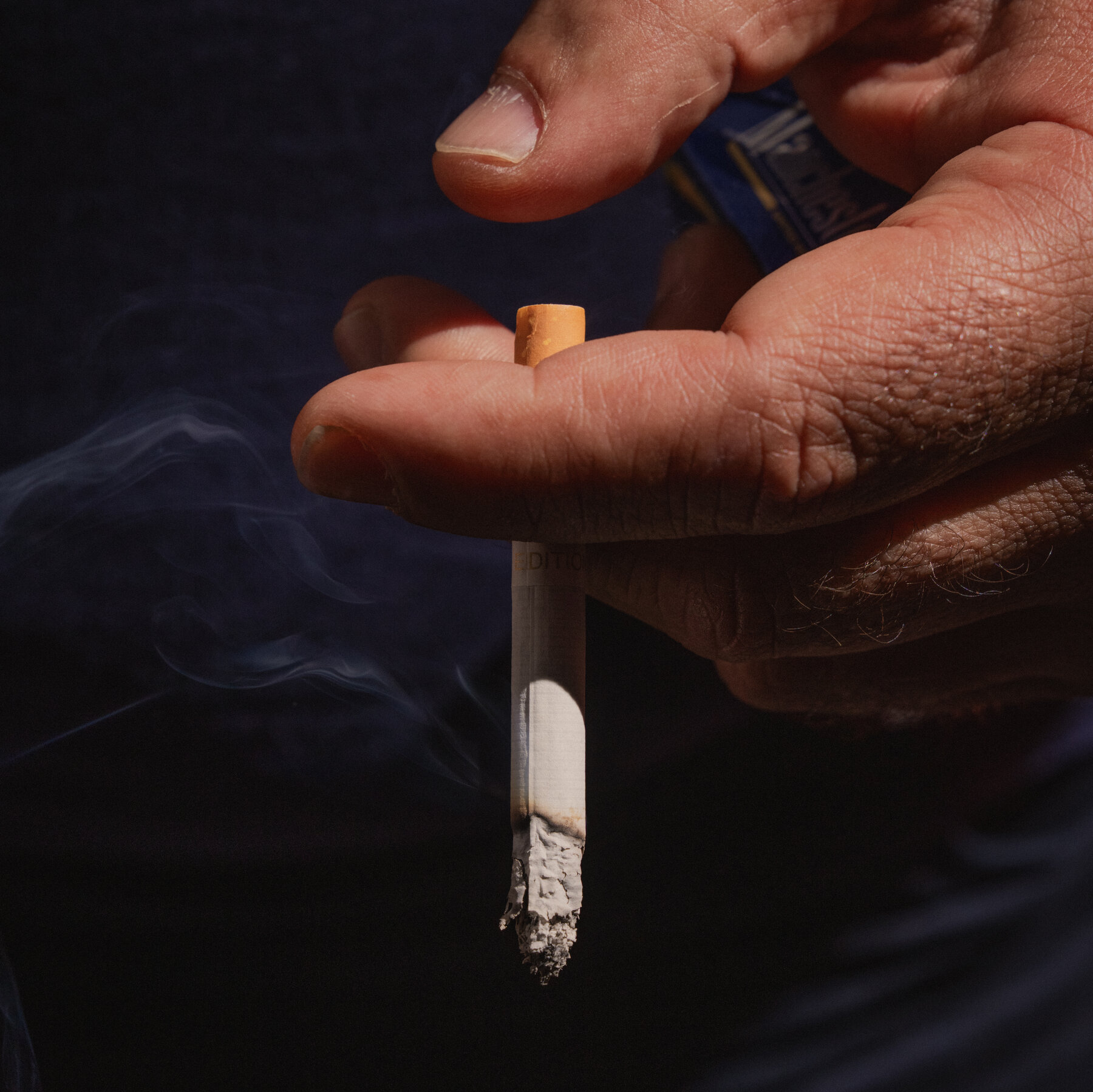
The rising cost of cigarettes in Australia, now priced at approximately $40 per pack, has driven many smokers to seek cheaper alternatives on the black market. This significant price increase, primarily due to government tax hikes, has inadvertently fueled a multibillion-dollar illegal tobacco trade.
Australia has established itself as having the most expensive cigarettes globally, following a series of tax increases aimed at reducing smoking rates. According to the Australian Taxation Office, the average price for a pack of cigarettes has increased by over 300% since 2010. The intention behind these policies was clear: discourage smoking by making it financially burdensome. However, the unintended consequence has been a surge in demand for illicit tobacco products.
The black market for tobacco has seen substantial growth, with estimates suggesting that around 14.5% of smokers in Australia now purchase their cigarettes illegally. This shift is not only a response to high prices but also reflects the challenges associated with quitting smoking. Many individuals, particularly those in lower income brackets, report feeling cornered by the steep costs of legal tobacco products.
Impact on Health and Crime
The rise of bootleg tobacco has raised serious health concerns. Illicit products often lack quality control and may contain harmful substances. Health officials warn that these unregulated cigarettes could be even more dangerous than their legal counterparts.
Additionally, the black market has become a breeding ground for organized crime. As demand for cheaper tobacco increases, so does the involvement of criminal enterprises. Law enforcement agencies struggle to combat this growing issue, and the resources required to tackle the illegal trade are substantial. Australian Federal Police have reported that the illegal tobacco trade is now a multi-billion dollar industry, complicating efforts to reduce smoking rates and protect public health.
Smokers who engage in this black market often cite economic necessity. Many believe that the government’s strategy to deter smoking through taxation has backfired, pushing them into the arms of illegal vendors. A recent survey indicated that 60% of current smokers in Australia are aware of someone who purchases tobacco products from the black market.
Government Response and Future Considerations
In response to the escalating black market, the Australian government has initiated discussions on how to address this growing issue. Some policymakers advocate for a comprehensive approach that includes both education on the dangers of illicit tobacco and stricter penalties for those caught selling it. Others propose exploring alternative methods to reduce smoking rates that do not rely solely on taxation.
The situation presents a complex challenge. While the goal of reducing smoking rates is undeniably important, the current approach may require reevaluation. As the black market flourishes, it becomes increasingly clear that simply raising prices may not be the solution to the public health crisis posed by tobacco use.
The Australian experience serves as a cautionary tale for other countries considering similar tax policies. As governments worldwide seek to curb smoking, they must weigh the potential for unintended consequences that can arise from aggressive taxation strategies. The balance between public health and economic realities is delicate, and further dialogue is essential to create effective solutions that genuinely address smoking rates while minimizing the rise of unlawful activities.

Cosmic Mystery Deepens: Where Are the Universe’s Defects?

Lady Bulldogs Shine in Postseason Awards Following Final Four Run

CALV Hosts Essential Class for Local Real Estate Professionals

Urgent Alert: “Spaving” Surges as Shoppers Overspend Online

Jefferies Initiates Coverage on Insmed with “Buy” Rating

Three Dog Night to Perform with Ambrosia at Mayo Civic Center

Urgent Announcement: Charles M. Payment Passes Away at 78

Houston Education Foundation Donates $4,592 for Student Programs

Beeks Financial Cloud Shares Drop 7% Amid Increased Trading Volume

Foreign Inflows into Japan Stocks Surge to ¥1.34 Trillion

University of Hawaiʻi Joins $25.6M AI Project to Monitor Disasters

Sydney Sweeney Embraces Body Positivity Amid Hollywood Challenges

Hudson Williams Gains Popularity as Breakout Star on Heated Rivalry

Urgent Farewell: Joleen Chaney Leaves Legacy at KFOR

Boeing’s Merger with McDonnell Douglas: A Strategic Move Explained

$1.25M Grant Advances Hawaiʻi’s Real-Time Hazard Monitoring

Derrick Dove and ABAC Band Set for Free Americana Concert

BOYNEXTDOOR’s Jaehyun Faces Backlash Amid BTS-TWICE Controversy
-
Business9 months ago
Foreign Inflows into Japan Stocks Surge to ¥1.34 Trillion
-
Science9 months ago
University of Hawaiʻi Joins $25.6M AI Project to Monitor Disasters
-
 Entertainment9 months ago
Sydney Sweeney Embraces Body Positivity Amid Hollywood Challenges
-
 Entertainment7 months ago
Hudson Williams Gains Popularity as Breakout Star on Heated Rivalry
-
 Top Stories8 months ago
Urgent Farewell: Joleen Chaney Leaves Legacy at KFOR
-
 World9 months ago
Boeing’s Merger with McDonnell Douglas: A Strategic Move Explained
-
 Science7 months ago
$1.25M Grant Advances Hawaiʻi’s Real-Time Hazard Monitoring
-
 Entertainment8 months ago
Derrick Dove and ABAC Band Set for Free Americana Concert
-
 Top Stories9 months ago
BOYNEXTDOOR’s Jaehyun Faces Backlash Amid BTS-TWICE Controversy
-

 Health6 months ago
Bodybuilder Eugene Teo Transitions to Mindful Movement for Health
-

 World6 months ago
San Francisco Airport to Host 16 Nonstop Airlines to Europe in 2026
-

 Top Stories7 months ago
National Coast Guard Museum Set to Open in 2027 After Funding Secured