
Top Stories
Urgent Update: 38% of Adults Now Face Prediabetes Risk

URGENT UPDATE: New data reveals that approximately 38 percent of adults in the U.S. now face the risk of prediabetes, a condition that can lead to serious health complications if left unchecked. This alarming statistic underscores the need for immediate dietary and lifestyle changes among millions of Americans.
Authorities confirm that prediabetes often goes unnoticed due to a lack of symptoms, making regular A1C tests crucial for early detection. Recent findings show that the prevalence of prediabetes is strikingly high: 28 percent among adults aged 18 to 44, 45 percent for those aged 45 to 64, and nearly 49 percent for individuals aged 65 and older.
Experts like Marc O’Meara, a senior nutritionist at Brigham and Women’s Hospital, emphasize that many Americans consume diets rich in processed foods, leading to higher blood sugar levels. “As we age, we don’t burn sugars as well,” O’Meara warns, stressing the importance of understanding how carbohydrate intake affects blood glucose levels.
The good news? Prediabetes is reversible. Simple adjustments in diet and exercise can significantly reduce blood sugar levels. O’Meara advises combining protein with carbohydrates to slow the absorption of sugars into the bloodstream, which can prevent spikes that lead to potential diabetes.
According to the American Diabetes Association, the recommended minimum carbohydrate intake is 130 grams per day. However, the type of carbohydrate is crucial; complex carbs high in fiber are preferable over refined carbs, which cause quick spikes in blood sugar.
Physical activity also plays a vital role in managing blood glucose levels. Teresa Fung, an adjunct professor of nutrition at the Harvard T.H. Chan School of Public Health, states, “The combination of eating well and exercise gives you the biggest bang for your buck.” She explains that physical activity helps draw glucose from the blood into cells, effectively lowering blood sugar.
In a personal account, a recent A1C test showed a drop from 6 percent to 5.5 percent after adopting healthier eating habits. This improvement serves as a powerful motivator for many facing similar challenges.
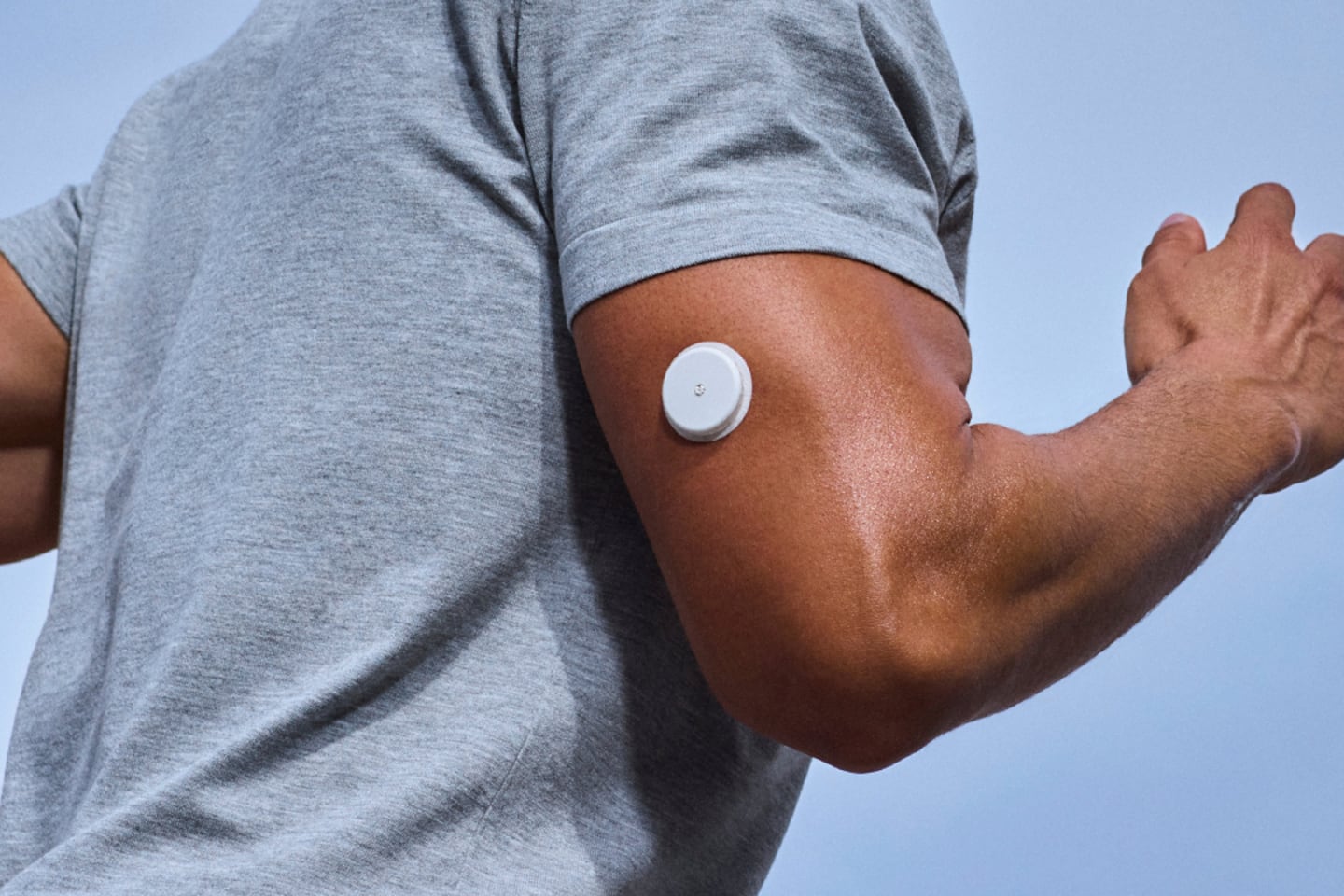
Healthcare professionals recommend using continuous glucose monitors (CGMs) to gain insights into how different foods affect blood sugar levels in real time. These devices can provide valuable data for individuals to tailor their diet and exercise plans precisely.
As more adults confront the reality of prediabetes, experts urge immediate action. Regular monitoring, combined with dietary adjustments and increased physical activity, could mean the difference between managing blood sugar levels and developing type 2 diabetes.
For those who find themselves at risk, proactive measures are essential. The path to reversing prediabetes hinges on making informed choices about nutrition and lifestyle. Share this urgent message with friends and family to raise awareness and encourage healthy habits today.

Cosmic Mystery Deepens: Where Are the Universe’s Defects?

Lady Bulldogs Shine in Postseason Awards Following Final Four Run

CALV Hosts Essential Class for Local Real Estate Professionals

Urgent Alert: “Spaving” Surges as Shoppers Overspend Online

Jefferies Initiates Coverage on Insmed with “Buy” Rating

Three Dog Night to Perform with Ambrosia at Mayo Civic Center

Urgent Announcement: Charles M. Payment Passes Away at 78

Houston Education Foundation Donates $4,592 for Student Programs

Beeks Financial Cloud Shares Drop 7% Amid Increased Trading Volume

Foreign Inflows into Japan Stocks Surge to ¥1.34 Trillion

University of Hawaiʻi Joins $25.6M AI Project to Monitor Disasters

Sydney Sweeney Embraces Body Positivity Amid Hollywood Challenges

Hudson Williams Gains Popularity as Breakout Star on Heated Rivalry

Urgent Farewell: Joleen Chaney Leaves Legacy at KFOR

Boeing’s Merger with McDonnell Douglas: A Strategic Move Explained

$1.25M Grant Advances Hawaiʻi’s Real-Time Hazard Monitoring

Derrick Dove and ABAC Band Set for Free Americana Concert

BOYNEXTDOOR’s Jaehyun Faces Backlash Amid BTS-TWICE Controversy
-
Business9 months ago
Foreign Inflows into Japan Stocks Surge to ¥1.34 Trillion
-
Science8 months ago
University of Hawaiʻi Joins $25.6M AI Project to Monitor Disasters
-
 Entertainment9 months ago
Sydney Sweeney Embraces Body Positivity Amid Hollywood Challenges
-
 Entertainment7 months ago
Hudson Williams Gains Popularity as Breakout Star on Heated Rivalry
-
 Top Stories8 months ago
Urgent Farewell: Joleen Chaney Leaves Legacy at KFOR
-
 World9 months ago
Boeing’s Merger with McDonnell Douglas: A Strategic Move Explained
-
 Science7 months ago
$1.25M Grant Advances Hawaiʻi’s Real-Time Hazard Monitoring
-
 Entertainment8 months ago
Derrick Dove and ABAC Band Set for Free Americana Concert
-
 Top Stories9 months ago
BOYNEXTDOOR’s Jaehyun Faces Backlash Amid BTS-TWICE Controversy
-

 Health6 months ago
Bodybuilder Eugene Teo Transitions to Mindful Movement for Health
-

 World6 months ago
San Francisco Airport to Host 16 Nonstop Airlines to Europe in 2026
-

 Top Stories7 months ago
National Coast Guard Museum Set to Open in 2027 After Funding Secured