
Sports
U.S. Athletes Navigate Political Tensions During Winter Olympics

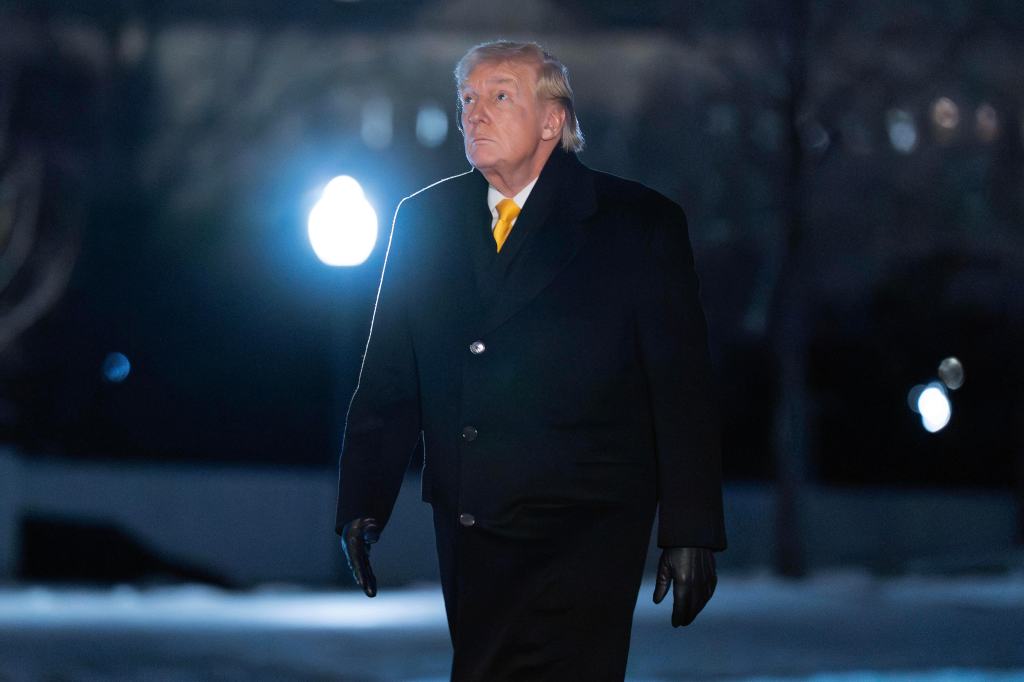
As the Winter Olympics commenced in Milan on February 10, 2026, the event quickly became entangled in the political climate surrounding the United States. Vice President JD Vance described the Olympics as “one of the few things that unites the entire country,” but that sentiment was soon overshadowed by discussions of President Donald Trump’s contentious immigration policies. American athletes found themselves facing persistent questions regarding their comfort in representing a nation grappling with increasingly controversial policies on the global stage.
American freestyle skier Hunter Hess, competing for the U.S., expressed his discomfort, stating, “There’s obviously a lot going on that I’m not the biggest fan of and I think a lot of people aren’t.” Hess spoke of the “mixed emotions” he felt about the representation of the U.S., emphasizing that wearing the flag does not equate to endorsing every aspect of the country’s policies. His comments drew an immediate response from Trump, who criticized Hess on social media as a “real loser” and suggested he “shouldn’t have tried out for the team.”
The backlash from Trump marks a significant shift from the traditionally unifying and apolitical stance typically taken by administrations during the Olympics. This incident underscores how political tensions, particularly regarding immigration enforcement, have infiltrated the world of sports.
Athletes Speak Out Amidst Controversy
The Olympics have always been a platform for political and cultural expression. Historical moments, such as the raised fists of Tommie Smith and John Carlos during the 1968 Games, highlight the intersection of sports and activism. Today, with the aid of social media, athletes are increasingly vocal about their views on pressing issues.
In Italy, the backdrop of the Games has intensified discussions among athletes regarding Trump’s administration. Chris Lillis, another American freestyle skier, conveyed his heartbreak over the current state of affairs in the U.S. He stated, “As a country, we need to focus on respecting everybody’s rights and making sure that we’re treating our citizens as well as anybody with love and respect.”
Skiing star Mikaela Shiffrin echoed these sentiments. Quoting Nelson Mandela, she noted the global hardships and expressed hope to represent values of inclusivity and kindness during her competitions, saying, “It can be tough to reconcile that when you’re also competing for medals in an Olympic event.”
American figure skater Amber Glenn, known for her activism on LGBTQ+ rights, highlighted the struggles facing the queer community under Trump’s administration. Following threats on social media, she announced her decision to step back from these platforms, indicating the personal toll of political discourse on athletes.
Sporting Events as a Reflection of Society
The intersection of politics and athletics can create a challenging environment for competitors. Many athletes opt to remain neutral, focusing on their performance rather than engaging in political debates. During the recent Australian Open, player Amanda Anisimova dismissed questions regarding U.S. politics as “not relevant,” while Taylor Fritz expressed concerns about being misquoted or taken out of context.
Back at the Olympics, U.S. speedskater Casey Dawson acknowledged the ongoing political situation but emphasized that “politics don’t apply to us” at the Games. “We’re here to skate,” he affirmed, underscoring the athletes’ focus on their sports rather than the surrounding controversies.
As the United States prepares to host significant global sporting events, including the upcoming World Cup and the 2028 Summer Olympics in Los Angeles, the political landscape is unlikely to stabilize. Some observers, including Ashleigh Huffman, who served as the chief of sports diplomacy during both the Biden and Trump administrations, believe that sports can facilitate dialogue and understanding. “There’s this really magical thing that sport can do,” she remarked. “It can lower the temperature of the room.”
The Winter Olympics, while showcasing athletic prowess, also reflect the broader societal issues facing the United States. As athletes navigate this complex landscape, their voices contribute to an ongoing conversation about identity, representation, and the impact of politics on sport.

Cosmic Mystery Deepens: Where Are the Universe’s Defects?

Lady Bulldogs Shine in Postseason Awards Following Final Four Run

CALV Hosts Essential Class for Local Real Estate Professionals

Urgent Alert: “Spaving” Surges as Shoppers Overspend Online

Jefferies Initiates Coverage on Insmed with “Buy” Rating

Three Dog Night to Perform with Ambrosia at Mayo Civic Center

Urgent Announcement: Charles M. Payment Passes Away at 78

Houston Education Foundation Donates $4,592 for Student Programs

Beeks Financial Cloud Shares Drop 7% Amid Increased Trading Volume

Foreign Inflows into Japan Stocks Surge to ¥1.34 Trillion

University of Hawaiʻi Joins $25.6M AI Project to Monitor Disasters

Sydney Sweeney Embraces Body Positivity Amid Hollywood Challenges

Hudson Williams Gains Popularity as Breakout Star on Heated Rivalry

Urgent Farewell: Joleen Chaney Leaves Legacy at KFOR

Boeing’s Merger with McDonnell Douglas: A Strategic Move Explained

$1.25M Grant Advances Hawaiʻi’s Real-Time Hazard Monitoring

Derrick Dove and ABAC Band Set for Free Americana Concert

BOYNEXTDOOR’s Jaehyun Faces Backlash Amid BTS-TWICE Controversy
-
Business9 months ago
Foreign Inflows into Japan Stocks Surge to ¥1.34 Trillion
-
Science8 months ago
University of Hawaiʻi Joins $25.6M AI Project to Monitor Disasters
-
 Entertainment9 months ago
Sydney Sweeney Embraces Body Positivity Amid Hollywood Challenges
-
 Entertainment7 months ago
Hudson Williams Gains Popularity as Breakout Star on Heated Rivalry
-
 Top Stories8 months ago
Urgent Farewell: Joleen Chaney Leaves Legacy at KFOR
-
 World9 months ago
Boeing’s Merger with McDonnell Douglas: A Strategic Move Explained
-
 Science7 months ago
$1.25M Grant Advances Hawaiʻi’s Real-Time Hazard Monitoring
-
 Entertainment8 months ago
Derrick Dove and ABAC Band Set for Free Americana Concert
-
 Top Stories9 months ago
BOYNEXTDOOR’s Jaehyun Faces Backlash Amid BTS-TWICE Controversy
-

 Health6 months ago
Bodybuilder Eugene Teo Transitions to Mindful Movement for Health
-

 World6 months ago
San Francisco Airport to Host 16 Nonstop Airlines to Europe in 2026
-

 Top Stories7 months ago
National Coast Guard Museum Set to Open in 2027 After Funding Secured