
Health
Bodybuilder Eugene Teo Transitions to Mindful Movement for Health

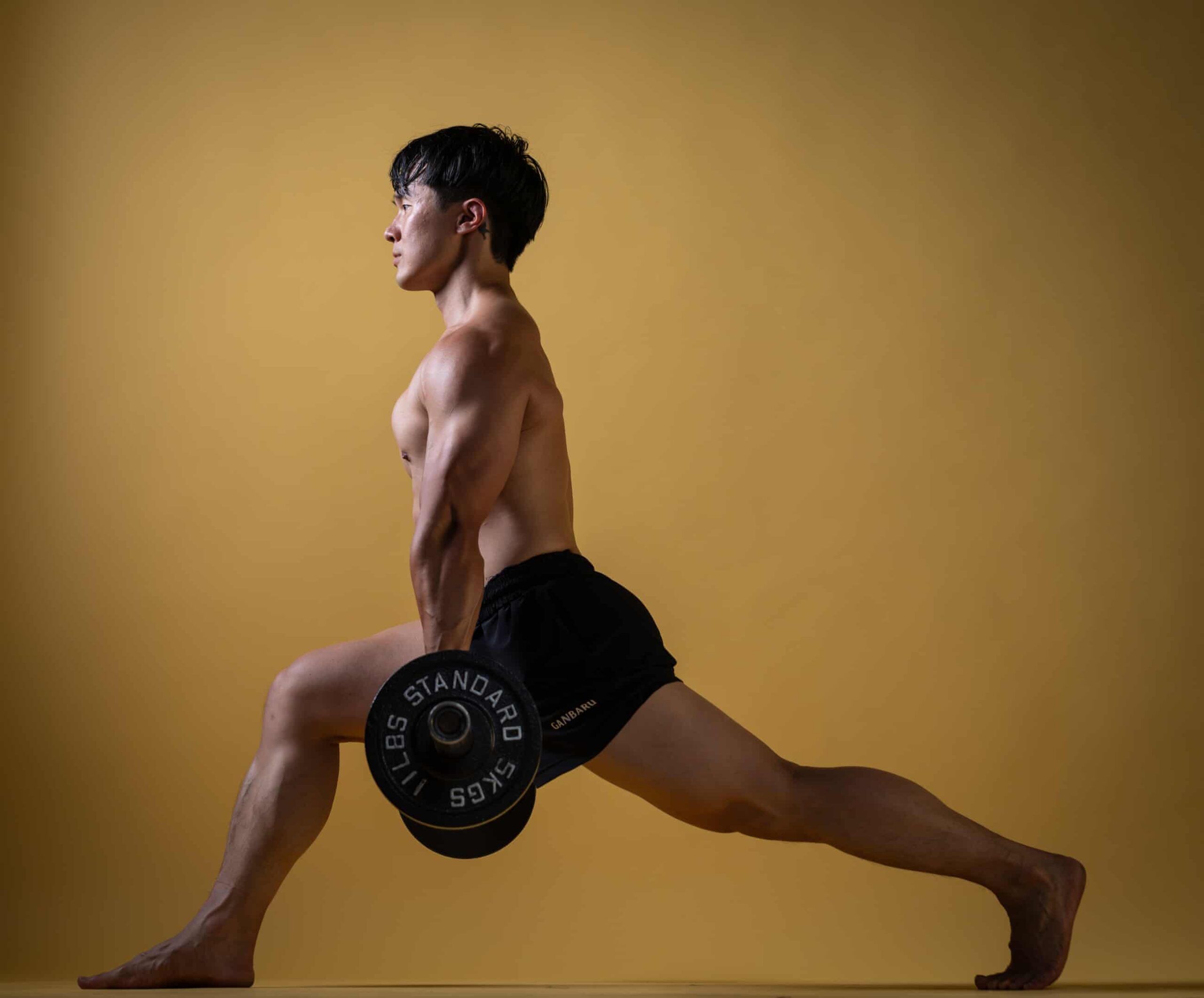
Eugene Teo, a former competitive bodybuilder, has shifted his focus from extreme muscle building to a more balanced and mindful approach to fitness. At 34, Teo, who resides on the Gold Coast, Australia, reflects on his decade-long journey that began when he started lifting weights at the age of 13, driven by a desire for validation and confidence.
Teo dedicated his teenage years to bodybuilding, training intensively from the age of 16 to 24. During this period, he often spent up to four hours a day lifting weights, striving for a physique that epitomized the ideals of the bodybuilding community. He describes his obsession with the need for extreme thinness in his skin, particularly around his stomach and glutes, stating, “If you grab your eyelid and feel that skin, that’s the skin thinness you want on your bum and abs.” This fixation led him to follow unsafe practices, including severe dehydration before competitions and an extreme diet of “clean” foods such as sweet potatoes, brown rice, and boiled chicken.
His rigid approach to nutrition and training came at a personal cost. Teo avoided social gatherings that involved food, even skipping his own birthday celebrations. He carried scales to family dinners to ensure he adhered to his strict diet, creating an unhealthy relationship with food. “There were a lot of dysmorphic associations around food,” he explains, reflecting on how his body became a project that consumed his life and strained personal relationships.
Despite achieving a muscular physique, Teo experienced physical limitations that prompted a reevaluation of his priorities. He recalls, “I could lift a lot of weight. I looked exceptional, but I was out of breath from simple tasks.” Everyday activities like walking across the gym caused lower back pain, and even tying his shoes became a challenge. The realization that his body was not functioning as it should led him to seek a change.
Shifting Focus to Mobility and Functionality
Teo began altering his training regimen, moving away from the singular goal of muscle size. He incorporated activities aimed at improving mobility, power, and cardiovascular endurance, including running, stretching, and cycling. This transition also involved a significant shift in mindset. Teo started questioning whether his previous extreme approach was bringing him happiness. “This is now an obsessive trait in my personality, and it’s not bringing me joy,” he recognized.
A decade later, Teo emphasizes the importance of relationships and personal well-being over physical appearance. He no longer adheres to a daily workout routine and adopts a more relaxed approach to his diet. “If I’m out with my daughter and she wants an ice cream, I’ll have one with her,” he shares, illustrating his newfound balance.
Physically, Teo’s body has changed significantly since he began this journey. He has lost approximately 15 kg of muscle mass but reports that his overall performance and well-being have improved dramatically. “It’s definitely smaller,” he acknowledges, yet he feels more athletic and capable around his daughter. He can now jump twice as high as before and run 5 km in 22 minutes, a stark contrast to the 40 minutes it took him to complete his first 5 km run during his competitive days.
Reflecting on his transformation, Teo states, “Ten years ago, my body was capable of turning heads on the street. That was fun – but it was the only thing it was capable of.” Today, he takes pride in a body built for function rather than mere aesthetics. Eugene Teo continues to share his journey and insights as a fitness coach on his YouTube channel, @coacheugeneteo, and as the founder of the fitness app Ganbaru Method. His story serves as a reminder of the importance of balance in fitness and the pursuit of well-being over societal expectations.

Cosmic Mystery Deepens: Where Are the Universe’s Defects?

Lady Bulldogs Shine in Postseason Awards Following Final Four Run

CALV Hosts Essential Class for Local Real Estate Professionals

Urgent Alert: “Spaving” Surges as Shoppers Overspend Online

Jefferies Initiates Coverage on Insmed with “Buy” Rating

Three Dog Night to Perform with Ambrosia at Mayo Civic Center

Urgent Announcement: Charles M. Payment Passes Away at 78

Houston Education Foundation Donates $4,592 for Student Programs

Beeks Financial Cloud Shares Drop 7% Amid Increased Trading Volume

Foreign Inflows into Japan Stocks Surge to ¥1.34 Trillion

University of Hawaiʻi Joins $25.6M AI Project to Monitor Disasters

Sydney Sweeney Embraces Body Positivity Amid Hollywood Challenges

Hudson Williams Gains Popularity as Breakout Star on Heated Rivalry

Urgent Farewell: Joleen Chaney Leaves Legacy at KFOR

Boeing’s Merger with McDonnell Douglas: A Strategic Move Explained

$1.25M Grant Advances Hawaiʻi’s Real-Time Hazard Monitoring

Derrick Dove and ABAC Band Set for Free Americana Concert

BOYNEXTDOOR’s Jaehyun Faces Backlash Amid BTS-TWICE Controversy
-
Business9 months ago
Foreign Inflows into Japan Stocks Surge to ¥1.34 Trillion
-
Science8 months ago
University of Hawaiʻi Joins $25.6M AI Project to Monitor Disasters
-
 Entertainment9 months ago
Sydney Sweeney Embraces Body Positivity Amid Hollywood Challenges
-
 Entertainment7 months ago
Hudson Williams Gains Popularity as Breakout Star on Heated Rivalry
-
 Top Stories8 months ago
Urgent Farewell: Joleen Chaney Leaves Legacy at KFOR
-
 World9 months ago
Boeing’s Merger with McDonnell Douglas: A Strategic Move Explained
-
 Science7 months ago
$1.25M Grant Advances Hawaiʻi’s Real-Time Hazard Monitoring
-
 Entertainment8 months ago
Derrick Dove and ABAC Band Set for Free Americana Concert
-
 Top Stories9 months ago
BOYNEXTDOOR’s Jaehyun Faces Backlash Amid BTS-TWICE Controversy
-

 World6 months ago
San Francisco Airport to Host 16 Nonstop Airlines to Europe in 2026
-

 Top Stories7 months ago
National Coast Guard Museum Set to Open in 2027 After Funding Secured
-

 Health6 months ago
Hartford’s Abandoned Tower Faces Growing Safety Concerns