
Health
Study Reveals Hidden Dangers of Household Plastic Burning

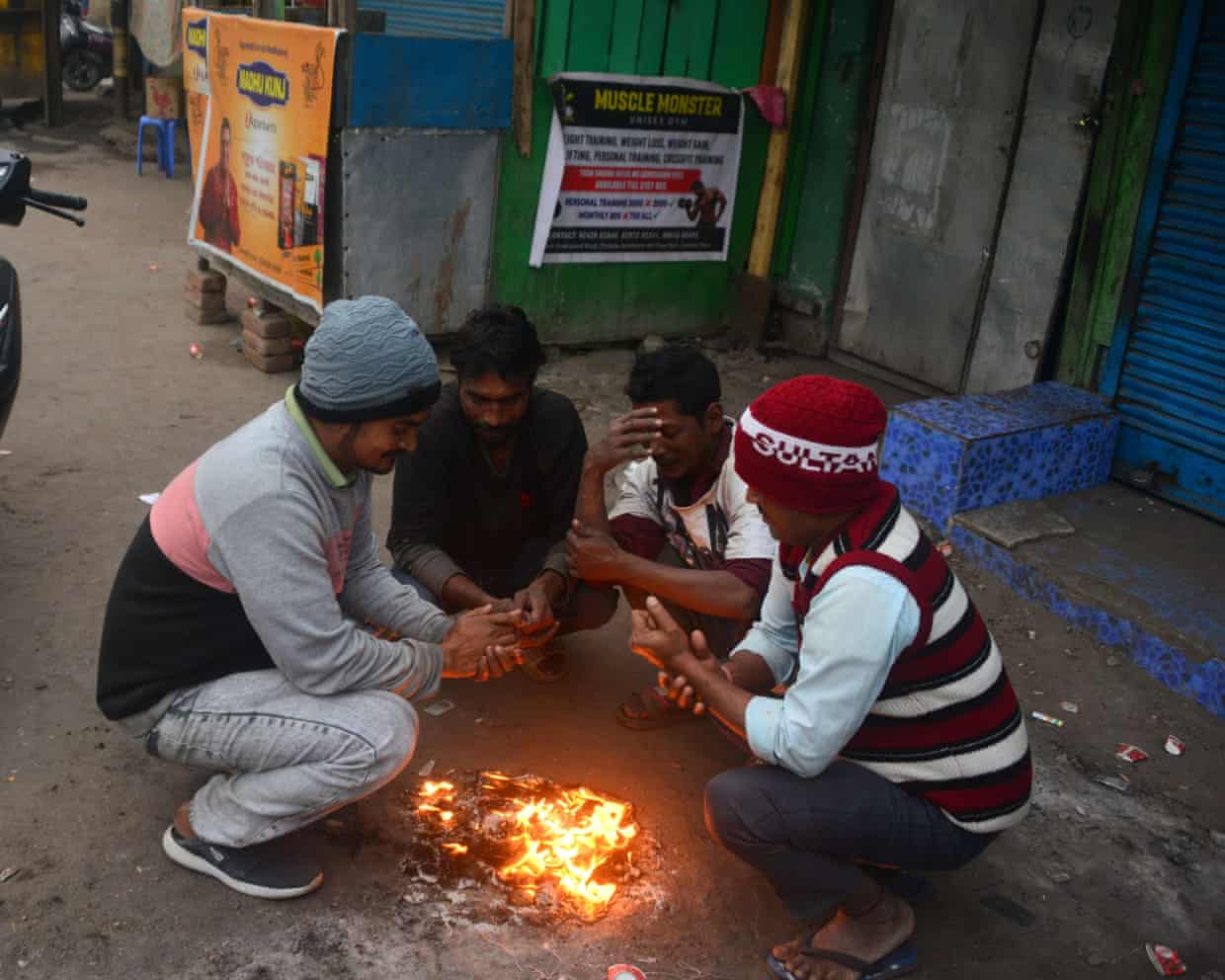
The household burning of plastic waste for heating and cooking in developing countries poses a significant health risk, according to a recent study published in the journal Nature Communications. The research, which surveyed over 1,000 respondents across 26 countries, reveals that approximately one in three individuals are aware of this practice, and 16% of those surveyed admitted to burning plastic themselves.
Many participants were engaged with low-income urban neighbourhoods and included researchers, government officials, and community leaders. The lead author of the study, Dr Bishal Bharadwaj, a research associate at the University of Calgary, highlighted the challenges in obtaining accurate data on this issue. He stated, “When families can’t afford cleaner fuels and have no reliable waste collection, plastic becomes both a nuisance and a last-resort energy source.”
The study found that individuals burn a variety of plastics, including bags, wrappers, and bottles, to meet essential household needs. Bharadwaj emphasized that this practice occurs predominantly in marginalized communities, which often lack the infrastructure for proper waste management and access to cleaner energy options.
Health and Environmental Risks
The burning of plastic not only contributes to environmental degradation but also poses severe health risks. Respondents reported inhaling toxic emissions in confined spaces, which can lead to serious respiratory issues and other health complications. Burning plastic releases harmful compounds such as dioxins, furans, and heavy metals. Previous studies have indicated the presence of these toxic substances in egg samples collected near plastic burn sites.
The research team surveyed participants in low- and middle-income countries across Asia, Africa, and Latin America. They concluded that plastic burning is not merely a consequence of energy poverty; it also represents an informal solution to the pervasive problem of mismanaged plastic waste.
According to Prof Peta Ashworth, the director of the Curtin Institute for Energy Transition and a co-author of the study, this issue arises from a “confluence of factors.” She pointed out that individuals in these communities often lack the financial means to purchase cleaner cooking fuels. Additionally, the escalating plastic pollution and inadequate waste disposal systems exacerbate the problem.
Future Solutions and Urgency
The OECD has projected that global plastic waste will nearly triple by 2060, highlighting the urgent need for effective waste management strategies. Ashworth advocates for improved waste management programs and increased access to clean cooking alternatives through subsidies and other interventions.
The researchers propose educational campaigns to raise awareness about the dangers of burning plastic, as well as the introduction of new technologies to facilitate cleaner methods of burning plastic. They stress that as urbanization accelerates and outpaces the expansion of essential services, the urgency to implement these solutions will intensify further.
Overall, this study serves as a critical initial step in addressing the overlooked issue of household plastic burning, calling for immediate action to enhance health outcomes and environmental protection in vulnerable communities worldwide.

Cosmic Mystery Deepens: Where Are the Universe’s Defects?

Lady Bulldogs Shine in Postseason Awards Following Final Four Run

CALV Hosts Essential Class for Local Real Estate Professionals

Urgent Alert: “Spaving” Surges as Shoppers Overspend Online

Jefferies Initiates Coverage on Insmed with “Buy” Rating

Three Dog Night to Perform with Ambrosia at Mayo Civic Center

Urgent Announcement: Charles M. Payment Passes Away at 78

Houston Education Foundation Donates $4,592 for Student Programs

Beeks Financial Cloud Shares Drop 7% Amid Increased Trading Volume

Foreign Inflows into Japan Stocks Surge to ¥1.34 Trillion

University of Hawaiʻi Joins $25.6M AI Project to Monitor Disasters

Sydney Sweeney Embraces Body Positivity Amid Hollywood Challenges

Hudson Williams Gains Popularity as Breakout Star on Heated Rivalry

Urgent Farewell: Joleen Chaney Leaves Legacy at KFOR

Boeing’s Merger with McDonnell Douglas: A Strategic Move Explained

$1.25M Grant Advances Hawaiʻi’s Real-Time Hazard Monitoring

Derrick Dove and ABAC Band Set for Free Americana Concert

BOYNEXTDOOR’s Jaehyun Faces Backlash Amid BTS-TWICE Controversy
-
Business9 months ago
Foreign Inflows into Japan Stocks Surge to ¥1.34 Trillion
-
Science9 months ago
University of Hawaiʻi Joins $25.6M AI Project to Monitor Disasters
-
 Entertainment9 months ago
Sydney Sweeney Embraces Body Positivity Amid Hollywood Challenges
-
 Entertainment8 months ago
Hudson Williams Gains Popularity as Breakout Star on Heated Rivalry
-
 Top Stories8 months ago
Urgent Farewell: Joleen Chaney Leaves Legacy at KFOR
-
 World9 months ago
Boeing’s Merger with McDonnell Douglas: A Strategic Move Explained
-
 Science8 months ago
$1.25M Grant Advances Hawaiʻi’s Real-Time Hazard Monitoring
-
 Entertainment8 months ago
Derrick Dove and ABAC Band Set for Free Americana Concert
-
 Top Stories9 months ago
BOYNEXTDOOR’s Jaehyun Faces Backlash Amid BTS-TWICE Controversy
-

 Health6 months ago
Bodybuilder Eugene Teo Transitions to Mindful Movement for Health
-

 World6 months ago
San Francisco Airport to Host 16 Nonstop Airlines to Europe in 2026
-

 Top Stories7 months ago
National Coast Guard Museum Set to Open in 2027 After Funding Secured