
Health
Fear of ‘Humanized’ Pigs Hinders Advances in Organ Transplantation

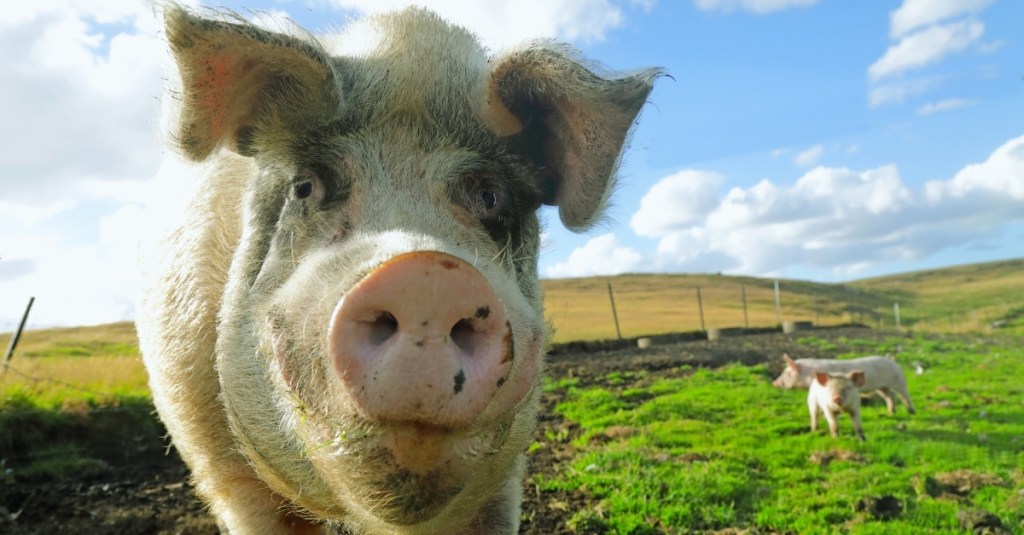
Research aimed at growing human organs inside pigs has encountered significant regulatory hurdles, primarily due to concerns about the ethical implications of creating “humanized” animals. While gene-edited pig kidneys are being successfully transplanted into patients, federally funded efforts to develop fully human organs in pigs remain stalled.
This regulatory impasse stems from a decision made by the National Institutes of Health (NIH) in 2015, which halted funding for projects that involved introducing human stem cells into animal embryos. The NIH’s rationale centered on fears that human cells could migrate to the brain of the animal, potentially altering its cognitive functions. Such concerns have led to a cautious approach toward xenotransplantation, where organs from one species are transplanted into another.
In October 2025, surgeons in New York performed a groundbreaking procedure by transplanting a genetically modified pig kidney into a living patient. This marked the first clinical trial of its kind, focusing on pig organs engineered to minimize immune rejection rather than those developed with human cells. Six patients are participating in the trial, which seeks to determine the safety and functionality of gene-edited pig organs in humans, according to Live Science.
The field of xenotransplantation is driven by a pressing need. In the United States, over 100,000 individuals are on organ transplant waiting lists, with thousands dying each year while awaiting a compatible donor. Researchers have explored cross-species organ solutions for decades, ranging from baboon hearts in the 1960s to modern pigs modified with precision gene-editing techniques like CRISPR.
Despite advancements, the immune response remains a significant barrier. Recipients of pig organs often require lifelong immunosuppressant medications to prevent rejection. A patient from New Hampshire, who received a pig kidney in January 2025, had to have the organ removed nine months later due to a decline in its function, highlighting the ongoing challenges in this area.
The initial excitement surrounding the possibility of using a patient’s own cells to grow organs in animals has diminished following the NIH’s suspension of funding. Researchers had envisioned a process whereby an animal’s ability to develop a specific organ could be disabled, allowing human stem cells to take over. This method promised to create patient-matched organs with a significantly reduced risk of rejection. Successful proof-of-concept studies had previously demonstrated the feasibility of growing a mouse pancreas inside a rat.
Ethical considerations, rather than technical limitations, have impeded this promising line of research. Regulators remain focused on the potential for human cells to influence an animal’s brain and moral status. Ethicists argue that this distinction is arbitrary, especially since pigs already contain human genes to facilitate organ transplants. The current regulatory framework tracks species rather than the cellular composition of the organisms involved.
Consequently, the medical community navigates a complex regulatory landscape. While the transplantation of pig organs into humans is widely accepted, the pursuit of developing human organs within pigs remains off-limits. This situation reflects a broader tension between scientific innovation and ethical concerns, underscoring the challenges that still lie ahead in the quest for viable organ transplantation solutions.

Cosmic Mystery Deepens: Where Are the Universe’s Defects?

Lady Bulldogs Shine in Postseason Awards Following Final Four Run

CALV Hosts Essential Class for Local Real Estate Professionals

Urgent Alert: “Spaving” Surges as Shoppers Overspend Online

Jefferies Initiates Coverage on Insmed with “Buy” Rating

Three Dog Night to Perform with Ambrosia at Mayo Civic Center

Urgent Announcement: Charles M. Payment Passes Away at 78

Houston Education Foundation Donates $4,592 for Student Programs

Beeks Financial Cloud Shares Drop 7% Amid Increased Trading Volume

Foreign Inflows into Japan Stocks Surge to ¥1.34 Trillion

University of Hawaiʻi Joins $25.6M AI Project to Monitor Disasters

Sydney Sweeney Embraces Body Positivity Amid Hollywood Challenges

Hudson Williams Gains Popularity as Breakout Star on Heated Rivalry

Urgent Farewell: Joleen Chaney Leaves Legacy at KFOR

Boeing’s Merger with McDonnell Douglas: A Strategic Move Explained

$1.25M Grant Advances Hawaiʻi’s Real-Time Hazard Monitoring

Derrick Dove and ABAC Band Set for Free Americana Concert

BOYNEXTDOOR’s Jaehyun Faces Backlash Amid BTS-TWICE Controversy
-
Business9 months ago
Foreign Inflows into Japan Stocks Surge to ¥1.34 Trillion
-
Science8 months ago
University of Hawaiʻi Joins $25.6M AI Project to Monitor Disasters
-
 Entertainment9 months ago
Sydney Sweeney Embraces Body Positivity Amid Hollywood Challenges
-
 Entertainment7 months ago
Hudson Williams Gains Popularity as Breakout Star on Heated Rivalry
-
 Top Stories8 months ago
Urgent Farewell: Joleen Chaney Leaves Legacy at KFOR
-
 World9 months ago
Boeing’s Merger with McDonnell Douglas: A Strategic Move Explained
-
 Science7 months ago
$1.25M Grant Advances Hawaiʻi’s Real-Time Hazard Monitoring
-
 Entertainment8 months ago
Derrick Dove and ABAC Band Set for Free Americana Concert
-
 Top Stories9 months ago
BOYNEXTDOOR’s Jaehyun Faces Backlash Amid BTS-TWICE Controversy
-

 Health6 months ago
Bodybuilder Eugene Teo Transitions to Mindful Movement for Health
-

 World6 months ago
San Francisco Airport to Host 16 Nonstop Airlines to Europe in 2026
-

 Top Stories7 months ago
National Coast Guard Museum Set to Open in 2027 After Funding Secured