
Science
Nintendo Faces Profit Pressure Amid Surging Memory Costs

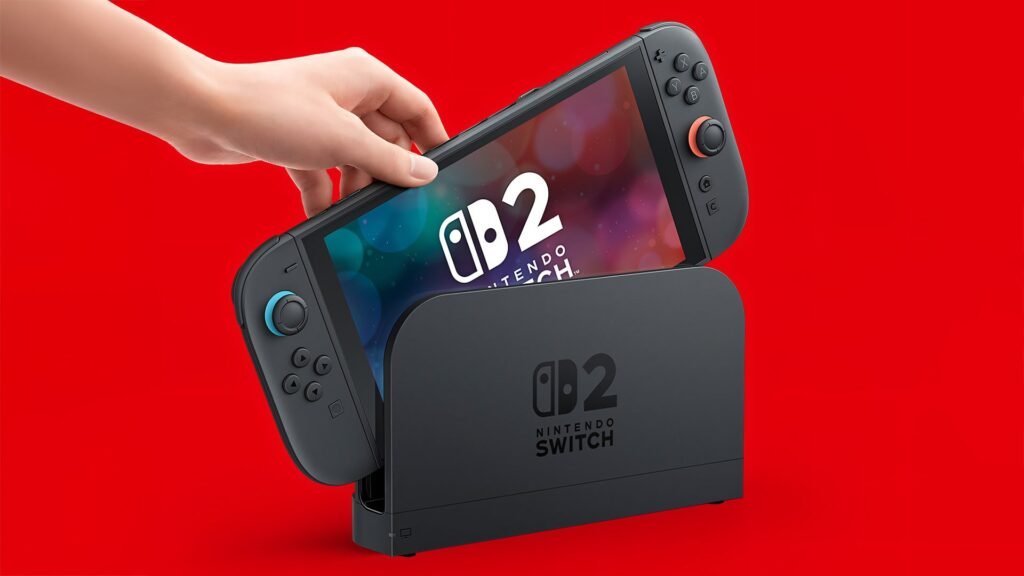
Nintendo is grappling with rising costs for RAM and flash memory, which are impacting its profitability. The surge in prices, largely driven by increased demand from the AI sector, is creating significant financial pressure for the Japanese gaming giant. The cost of RAM for the Switch 2 has risen by approximately 40%, forcing the company to reassess its financial outlook.
Despite initially strong sales following the launch of the Switch 2, Nintendo’s fortunes are shifting. According to a report from Bloomberg, the company’s share price fell by up to 4.7 percent on the latest trading day, reflecting investor concerns about how escalating memory prices will affect sales. Over the past week, Nintendo has seen a decline of nearly 10 percent in its market value, translating to a loss of around $14 billion.
The price increases for memory components have been swift. The total 12 gigabytes of RAM in the Switch 2 has experienced a 41 percent increase in cost, while the flash memory has gone up by 8 percent. Market analysts suggest that the optimism surrounding the Switch 2’s sales is dissipating, as rising hardware costs are squeezing profit margins.
If Nintendo chooses to raise prices to offset these costs, it risks making its consoles less appealing to consumers, potentially reducing demand. Additionally, the price of memory cards necessary for the Switch 2, which utilize flash memory, is also climbing. These essential accessories, particularly those that provide the required read and write speeds, are becoming increasingly expensive, leading to higher costs for consumers.
In response to the challenging market conditions, Nintendo is exploring unconventional strategies. Notably, the company recently offered a discounted bundle featuring the game Mario Kart World. This promotion allows customers to essentially receive the game for free when purchasing the console. The strategy appears to aim at quickly increasing the availability of console hardware, enabling Nintendo to generate revenue from games and services before hardware sales potentially slow due to rising memory costs.
Yasir Zeb, a digital marketing professional with extensive experience in technology, highlighted that this situation reflects broader trends in the tech industry. The ongoing memory crisis poses challenges not only for Nintendo but for all companies reliant on these critical components, emphasizing the need for adaptive strategies in a rapidly changing market.

Cosmic Mystery Deepens: Where Are the Universe’s Defects?

Lady Bulldogs Shine in Postseason Awards Following Final Four Run

CALV Hosts Essential Class for Local Real Estate Professionals

Urgent Alert: “Spaving” Surges as Shoppers Overspend Online

Jefferies Initiates Coverage on Insmed with “Buy” Rating

Three Dog Night to Perform with Ambrosia at Mayo Civic Center

Urgent Announcement: Charles M. Payment Passes Away at 78

Houston Education Foundation Donates $4,592 for Student Programs

Beeks Financial Cloud Shares Drop 7% Amid Increased Trading Volume

Foreign Inflows into Japan Stocks Surge to ¥1.34 Trillion

University of Hawaiʻi Joins $25.6M AI Project to Monitor Disasters

Sydney Sweeney Embraces Body Positivity Amid Hollywood Challenges

Hudson Williams Gains Popularity as Breakout Star on Heated Rivalry

Urgent Farewell: Joleen Chaney Leaves Legacy at KFOR

Boeing’s Merger with McDonnell Douglas: A Strategic Move Explained

$1.25M Grant Advances Hawaiʻi’s Real-Time Hazard Monitoring

Derrick Dove and ABAC Band Set for Free Americana Concert

BOYNEXTDOOR’s Jaehyun Faces Backlash Amid BTS-TWICE Controversy
-
Business9 months ago
Foreign Inflows into Japan Stocks Surge to ¥1.34 Trillion
-
Science9 months ago
University of Hawaiʻi Joins $25.6M AI Project to Monitor Disasters
-
 Entertainment9 months ago
Sydney Sweeney Embraces Body Positivity Amid Hollywood Challenges
-
 Entertainment8 months ago
Hudson Williams Gains Popularity as Breakout Star on Heated Rivalry
-
 Top Stories9 months ago
Urgent Farewell: Joleen Chaney Leaves Legacy at KFOR
-
 World9 months ago
Boeing’s Merger with McDonnell Douglas: A Strategic Move Explained
-
 Science8 months ago
$1.25M Grant Advances Hawaiʻi’s Real-Time Hazard Monitoring
-
 Entertainment8 months ago
Derrick Dove and ABAC Band Set for Free Americana Concert
-
 Top Stories9 months ago
BOYNEXTDOOR’s Jaehyun Faces Backlash Amid BTS-TWICE Controversy
-

 Health6 months ago
Bodybuilder Eugene Teo Transitions to Mindful Movement for Health
-

 World6 months ago
San Francisco Airport to Host 16 Nonstop Airlines to Europe in 2026
-

 Top Stories7 months ago
National Coast Guard Museum Set to Open in 2027 After Funding Secured