
Science
Comprehensive Analysis Advances Astrometric Instrument for HWO

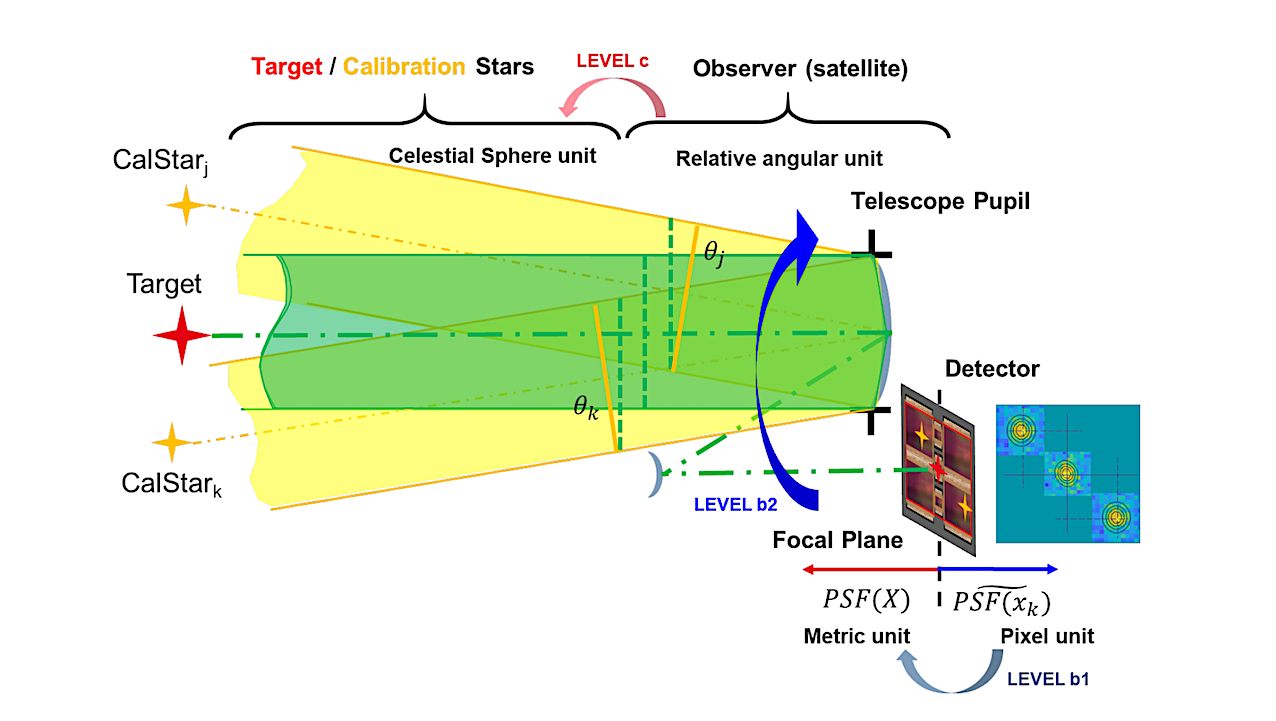
A recent study has outlined a detailed system analysis for an advanced astrometric instrument intended for the Habitable Worlds Observatory (HWO). This instrument aims to achieve high-precision, high-accuracy differential astrometry, primarily focused on determining the mass of Earth-like planets orbiting the nearest Sun-like stars.
The analysis encompasses multiple facets, including the mission profile, the instrumental concept architecture, and an error budget that delineates the primary contributors to the required sub-micro arcsecond precision for individual measurements. A critical part of this budget includes the estimation of the photo-center for both the target stars and the calibration stars utilized in the differential astrometry process.
Another significant contributor to the overall precision involves the control of systematics during the reconstruction of differential angle measurements. This process spans from pixel data—obtained through focal plane calibration—to the line of sight on the sky, which requires telescope distortion calibration.
To meet the end-of-mission astrometric goals, the mission necessitates approximately 100 observations of the same target over its operational lifespan. The research evaluates the mission profile to determine the percentage of survey time dedicated to astrometric studies, ensuring the scientific objectives are met.
Instrument Architecture and Technological Readiness
The proposed architectural framework for the instrument is derived from the error budget and mission constraints. It features a large visible detector array, comprised of multiple CMOS sensor chips, which collectively create a gigapixel focal plane. This design enables the instrument to capture and analyze vast amounts of astrometric data with remarkable precision.
The study also assesses the Technology Readiness Level (TRL) of the instrument, recommending a strategy to achieve TRL 5 by the Mission Consolidation Review in 2029. Achieving this level of readiness is crucial for the successful deployment and operation of the astrometric instrument within the HWO mission framework.
The collaborative effort includes contributions from a team of experts, including Jérôme Amiaux, Fabien Malbet, and several others, reflecting a broad spectrum of expertise in astrophysics and instrumentation.
This comprehensive analysis represents a significant step forward in the endeavor to explore the potential of Earth-like planets beyond our solar system. The findings are documented in the study available on arXiv, under reference arXiv:2511.07113.
As the mission progresses, further developments will likely emerge, advancing our understanding of habitable worlds and their characteristics, ultimately guiding future explorations in astrobiology and planetary science.

Cosmic Mystery Deepens: Where Are the Universe’s Defects?

Lady Bulldogs Shine in Postseason Awards Following Final Four Run

CALV Hosts Essential Class for Local Real Estate Professionals

Urgent Alert: “Spaving” Surges as Shoppers Overspend Online

Jefferies Initiates Coverage on Insmed with “Buy” Rating

Three Dog Night to Perform with Ambrosia at Mayo Civic Center

Urgent Announcement: Charles M. Payment Passes Away at 78

Houston Education Foundation Donates $4,592 for Student Programs

Beeks Financial Cloud Shares Drop 7% Amid Increased Trading Volume

Foreign Inflows into Japan Stocks Surge to ¥1.34 Trillion

University of Hawaiʻi Joins $25.6M AI Project to Monitor Disasters

Sydney Sweeney Embraces Body Positivity Amid Hollywood Challenges

Hudson Williams Gains Popularity as Breakout Star on Heated Rivalry

Urgent Farewell: Joleen Chaney Leaves Legacy at KFOR

Boeing’s Merger with McDonnell Douglas: A Strategic Move Explained

$1.25M Grant Advances Hawaiʻi’s Real-Time Hazard Monitoring

Derrick Dove and ABAC Band Set for Free Americana Concert

BOYNEXTDOOR’s Jaehyun Faces Backlash Amid BTS-TWICE Controversy
-
Business9 months ago
Foreign Inflows into Japan Stocks Surge to ¥1.34 Trillion
-
Science9 months ago
University of Hawaiʻi Joins $25.6M AI Project to Monitor Disasters
-
 Entertainment9 months ago
Sydney Sweeney Embraces Body Positivity Amid Hollywood Challenges
-
 Entertainment7 months ago
Hudson Williams Gains Popularity as Breakout Star on Heated Rivalry
-
 Top Stories8 months ago
Urgent Farewell: Joleen Chaney Leaves Legacy at KFOR
-
 World9 months ago
Boeing’s Merger with McDonnell Douglas: A Strategic Move Explained
-
 Science7 months ago
$1.25M Grant Advances Hawaiʻi’s Real-Time Hazard Monitoring
-
 Entertainment8 months ago
Derrick Dove and ABAC Band Set for Free Americana Concert
-
 Top Stories9 months ago
BOYNEXTDOOR’s Jaehyun Faces Backlash Amid BTS-TWICE Controversy
-

 Health6 months ago
Bodybuilder Eugene Teo Transitions to Mindful Movement for Health
-

 World6 months ago
San Francisco Airport to Host 16 Nonstop Airlines to Europe in 2026
-

 Top Stories7 months ago
National Coast Guard Museum Set to Open in 2027 After Funding Secured