
Top Stories
Urgent Update: Raspberry Pi Fails as Wi-Fi Router in Test

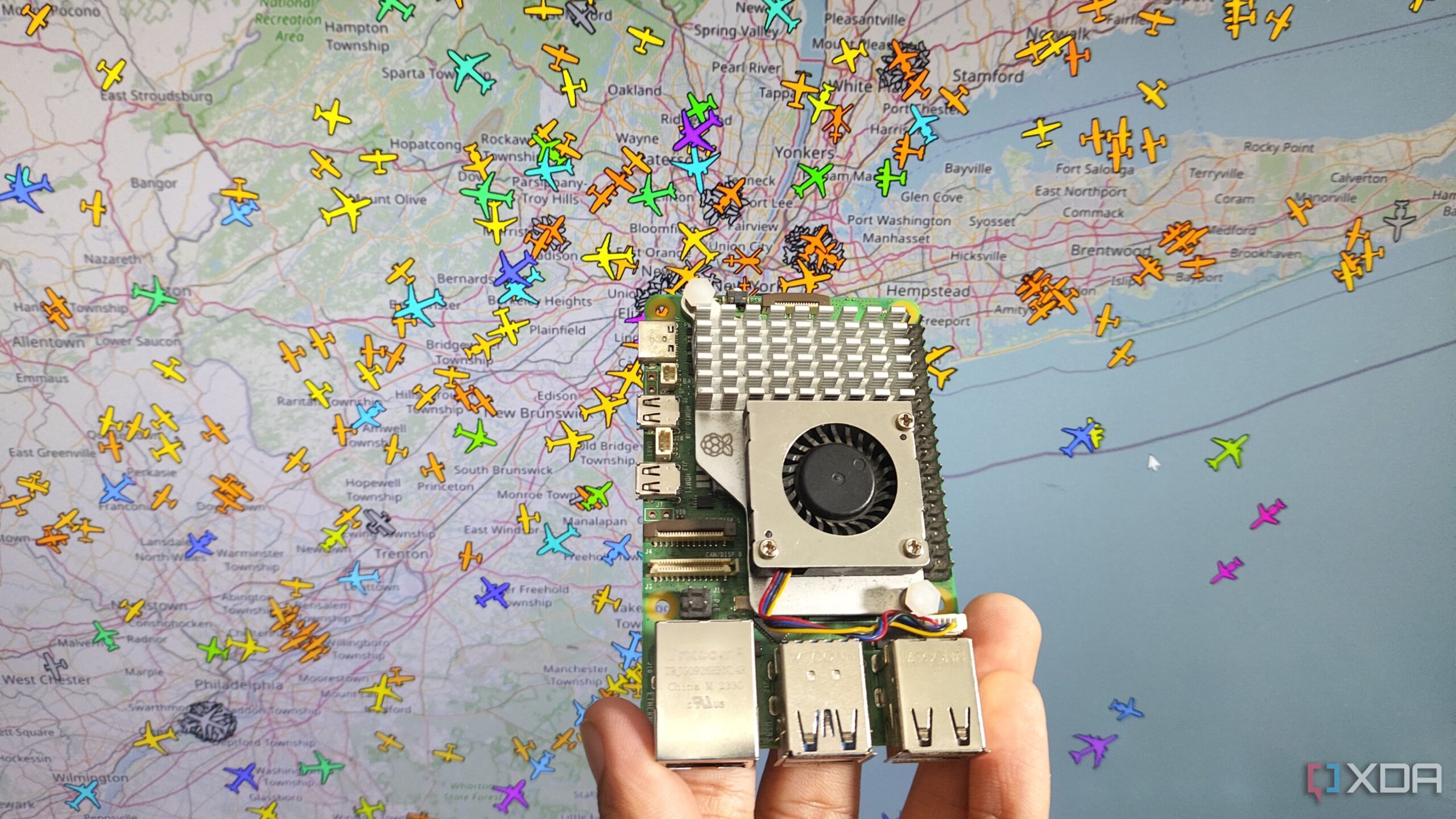
UPDATE: A recent hands-on experiment reveals that transforming a Raspberry Pi into a Wi-Fi router may not deliver the expected results. Although the project seemed promising for tech enthusiasts, the struggle with performance and reliability is raising alarms among DIY networkers.
The experiment, conducted just days ago, aimed to replace a conventional router with a Raspberry Pi, leveraging the device’s flexibility and customization potential. However, quick assessments show that the Pi’s limitations in handling wireless workloads could leave users frustrated and disconnected.
Many guides suggest that a Raspberry Pi could outperform budget routers, but the reality is proving different. The Pi 5 is indeed faster than its predecessors, but it falls short when faced with real-world demands like streaming or multiple devices vying for bandwidth. Users report significant lag, especially when utilizing an external USB Wi-Fi adapter that fails to match the capabilities of retail options.
The most pressing issue is the Pi’s inability to provide reliable coverage across several rooms. While the idea of a customizable router is appealing, the lack of built-in radio hardware suited for modern tasks creates major performance bottlenecks. As multiple devices connect, the Raspberry Pi struggles to keep up, leading to frustrating interruptions.
Moreover, the reliability of such a DIY setup is questionable. Unlike commercial routers which come with optimized firmware, a Raspberry Pi’s performance hinges entirely on the user’s configuration skills. A single misstep can disrupt essential functions like DNS or DHCP, complicating the troubleshooting process.
Despite these challenges, the Raspberry Pi project offers invaluable learning opportunities. Users emerge with a deeper understanding of networking, enabling them to troubleshoot existing setups more effectively. The experience also highlights the engineering behind consumer networking hardware, illuminating the unseen optimizations that ensure smoother operations.
For those eager to dive into their own Raspberry Pi routing experience, experts emphasize the need for robust external hardware, such as a dual-band or tri-band USB Wi-Fi adapter. Additionally, utilizing polished software like OpenWrt can ease the learning curve, providing a more user-friendly interface.
Still, it’s crucial to approach this project as an experiment rather than a permanent solution. The Raspberry Pi is best suited for those looking to learn and explore rather than for families in need of reliable internet connectivity.
The takeaway? While the Raspberry Pi may not be ready to replace dedicated routers, its potential for experimentation and education remains compelling. Developers and DIY enthusiasts can still benefit from the insights gained, making the endeavor a worthwhile experience for those willing to embrace the learning process.
Stay tuned for more updates as tech enthusiasts continue to explore the capabilities and limitations of this innovative device.

Cosmic Mystery Deepens: Where Are the Universe’s Defects?

Lady Bulldogs Shine in Postseason Awards Following Final Four Run

CALV Hosts Essential Class for Local Real Estate Professionals

Urgent Alert: “Spaving” Surges as Shoppers Overspend Online

Jefferies Initiates Coverage on Insmed with “Buy” Rating

Three Dog Night to Perform with Ambrosia at Mayo Civic Center

Urgent Announcement: Charles M. Payment Passes Away at 78

Houston Education Foundation Donates $4,592 for Student Programs

Beeks Financial Cloud Shares Drop 7% Amid Increased Trading Volume

Foreign Inflows into Japan Stocks Surge to ¥1.34 Trillion

University of Hawaiʻi Joins $25.6M AI Project to Monitor Disasters

Sydney Sweeney Embraces Body Positivity Amid Hollywood Challenges

Hudson Williams Gains Popularity as Breakout Star on Heated Rivalry

Urgent Farewell: Joleen Chaney Leaves Legacy at KFOR

Boeing’s Merger with McDonnell Douglas: A Strategic Move Explained

$1.25M Grant Advances Hawaiʻi’s Real-Time Hazard Monitoring

Derrick Dove and ABAC Band Set for Free Americana Concert

BOYNEXTDOOR’s Jaehyun Faces Backlash Amid BTS-TWICE Controversy
-
Business9 months ago
Foreign Inflows into Japan Stocks Surge to ¥1.34 Trillion
-
Science8 months ago
University of Hawaiʻi Joins $25.6M AI Project to Monitor Disasters
-
 Entertainment9 months ago
Sydney Sweeney Embraces Body Positivity Amid Hollywood Challenges
-
 Entertainment7 months ago
Hudson Williams Gains Popularity as Breakout Star on Heated Rivalry
-
 Top Stories8 months ago
Urgent Farewell: Joleen Chaney Leaves Legacy at KFOR
-
 World9 months ago
Boeing’s Merger with McDonnell Douglas: A Strategic Move Explained
-
 Science7 months ago
$1.25M Grant Advances Hawaiʻi’s Real-Time Hazard Monitoring
-
 Entertainment8 months ago
Derrick Dove and ABAC Band Set for Free Americana Concert
-
 Top Stories9 months ago
BOYNEXTDOOR’s Jaehyun Faces Backlash Amid BTS-TWICE Controversy
-

 Health6 months ago
Bodybuilder Eugene Teo Transitions to Mindful Movement for Health
-

 World6 months ago
San Francisco Airport to Host 16 Nonstop Airlines to Europe in 2026
-

 Top Stories7 months ago
National Coast Guard Museum Set to Open in 2027 After Funding Secured