
Politics
Black New Yorkers Demand Change as Mamdani Assumes Office

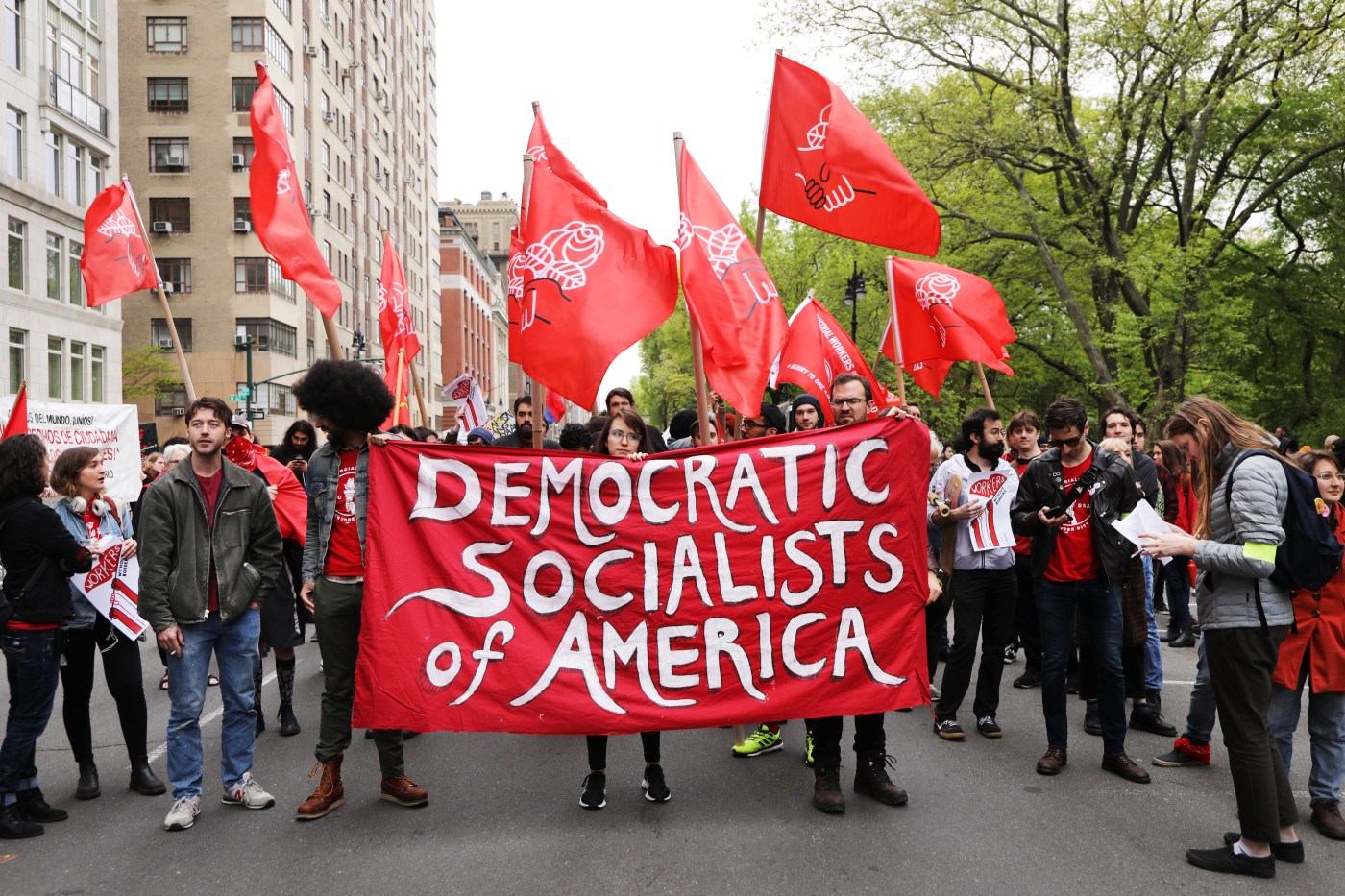
The recent mayoral election in New York City revealed a significant shift in voter sentiment, particularly among Black residents. Zohran Mamdani secured the mayoralty, primarily driven by the urgent economic realities facing Black communities rather than a wholesale endorsement of the Democratic Socialists of America (DSA) platform. Voters in these neighborhoods expressed a collective desire for immediate solutions to rising living costs, which threaten the stability of families who have long contributed to the city’s cultural and economic landscape.
Many residents cast their ballots out of necessity, seeking a candidate who might alleviate the financial burdens they face daily. This choice, however, should not be misconstrued as an acceptance of the DSA’s more divisive policies. The distinction is vital as Mamdani prepares to lead a diverse city where the needs of Black neighborhoods must remain a top priority.
Challenges Ahead for the New Mayor
As Mamdani steps into his role, a pressing question looms: will he govern independently, prioritizing the needs of all New Yorkers, particularly those from Black communities, or will he align closely with an organization that has often clashed with their interests? The DSA’s agenda has faced criticism for its failure to adequately address issues critical to these neighborhoods. If Mamdani wishes to maintain the trust of Black voters, he must clearly delineate his administration from DSA’s more controversial proposals.
Historically, the DSA has promoted ideas that sound appealing in theory but often fail in practice. Many Black New Yorkers are wary of being used as a testing ground for policies that overlook their everyday realities. The community has experienced the repercussions of policy failures too often, leading to a reluctance to embrace radical changes that lack consideration for their safety, education, and economic stability.
Public safety stands out as a crucial concern for many in Black neighborhoods. While Mamdani has distanced himself from the DSA’s proposals to abolish police and prisons, the organization continues to advocate this agenda. The demand for reforms that ensure fairness without compromising safety is paramount. There is a growing belief that the DSA’s proposals, such as the call to defund the police, may resonate in more affluent areas but sound like neglect in communities grappling with high levels of violence.
Education and Community Well-Being at Stake
The DSA’s stance on education also raises alarms. Their opposition to charter schools threatens the educational options available to approximately 130,000 predominantly Black and Brown students. Families often turn to charter schools in search of better educational outcomes that traditional public schools have failed to deliver. Proposals to defund these schools could strip away one of the few avenues for upward mobility available to many families.
Additionally, the DSA’s push to legalize certain drugs and decriminalize sex work is framed as harm reduction. Yet for communities still healing from the traumas of the crack epidemic and the opioid crisis, such proposals appear to exacerbate existing issues rather than mitigate them. Many residents view these measures as creating more harm than good, as they could facilitate exploitation rather than safeguard vulnerable individuals.
Concerns also extend to policing practices. The DSA’s characterization of the NYPD’s gang database as discriminatory is met with skepticism by many community leaders who see it as a potentially effective tool for preventing violence. While reforms may be necessary, outright dismantling of such systems could be perceived as reckless and detrimental to community safety.
The priorities of Black New Yorkers often diverge sharply from the perspectives held by the DSA, which tends to come from a worldview insulated from the direct consequences of policy decisions. This disconnect is a reminder of the importance of Mamdani’s independence. As he begins his mayoral tenure, he has the opportunity to chart a new course—one that prioritizes clarity, pragmatism, and respect for those facing the most significant challenges.
The mandate from Black New Yorkers is clear: they seek governance that listens and responds to their needs, not one that imposes ideologies that may not resonate with their lived experiences. The question remains whether Mamdani will act upon these voices or allow external pressures to dictate his administration’s direction. The future of Black New York is at stake, and the community will undoubtedly continue to assert its voice in shaping the city they have helped build.
Jones, president of the National Black Empowerment Action Fund, emphasizes that the time for change is now, urging the new mayor to take heed of the community’s call for a more responsive and equitable governance.

Cosmic Mystery Deepens: Where Are the Universe’s Defects?

Lady Bulldogs Shine in Postseason Awards Following Final Four Run

CALV Hosts Essential Class for Local Real Estate Professionals

Urgent Alert: “Spaving” Surges as Shoppers Overspend Online

Jefferies Initiates Coverage on Insmed with “Buy” Rating

Three Dog Night to Perform with Ambrosia at Mayo Civic Center

Urgent Announcement: Charles M. Payment Passes Away at 78

Houston Education Foundation Donates $4,592 for Student Programs

Beeks Financial Cloud Shares Drop 7% Amid Increased Trading Volume

Foreign Inflows into Japan Stocks Surge to ¥1.34 Trillion

University of Hawaiʻi Joins $25.6M AI Project to Monitor Disasters

Sydney Sweeney Embraces Body Positivity Amid Hollywood Challenges

Hudson Williams Gains Popularity as Breakout Star on Heated Rivalry

Urgent Farewell: Joleen Chaney Leaves Legacy at KFOR

Boeing’s Merger with McDonnell Douglas: A Strategic Move Explained

$1.25M Grant Advances Hawaiʻi’s Real-Time Hazard Monitoring

Derrick Dove and ABAC Band Set for Free Americana Concert

BOYNEXTDOOR’s Jaehyun Faces Backlash Amid BTS-TWICE Controversy
-
Business9 months ago
Foreign Inflows into Japan Stocks Surge to ¥1.34 Trillion
-
Science8 months ago
University of Hawaiʻi Joins $25.6M AI Project to Monitor Disasters
-
 Entertainment9 months ago
Sydney Sweeney Embraces Body Positivity Amid Hollywood Challenges
-
 Entertainment7 months ago
Hudson Williams Gains Popularity as Breakout Star on Heated Rivalry
-
 Top Stories8 months ago
Urgent Farewell: Joleen Chaney Leaves Legacy at KFOR
-
 World9 months ago
Boeing’s Merger with McDonnell Douglas: A Strategic Move Explained
-
 Science7 months ago
$1.25M Grant Advances Hawaiʻi’s Real-Time Hazard Monitoring
-
 Entertainment8 months ago
Derrick Dove and ABAC Band Set for Free Americana Concert
-
 Top Stories9 months ago
BOYNEXTDOOR’s Jaehyun Faces Backlash Amid BTS-TWICE Controversy
-

 Health6 months ago
Bodybuilder Eugene Teo Transitions to Mindful Movement for Health
-

 World6 months ago
San Francisco Airport to Host 16 Nonstop Airlines to Europe in 2026
-

 Top Stories7 months ago
National Coast Guard Museum Set to Open in 2027 After Funding Secured