
World
Sharks Face Threat as Teeth Corrode from Ocean Acidification

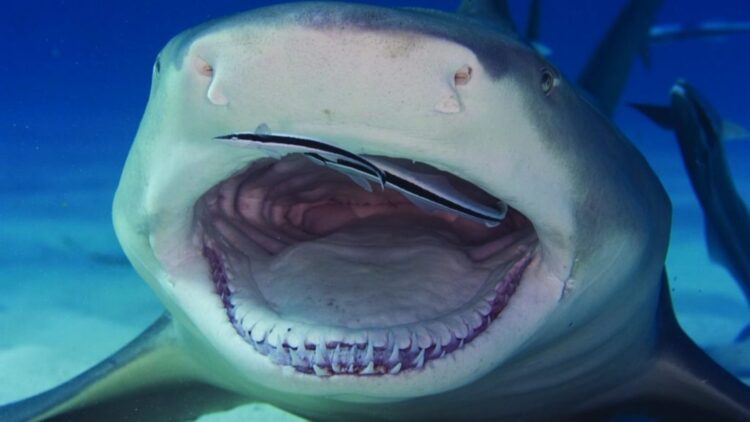
A recent study has revealed alarming evidence that sharks could be on the brink of losing one of their most vital assets: their teeth. Research led by Maximilan Baum from the University of Düsseldorf, published in the journal Frontiers in Marine Science, indicates that increasing acidification of the oceans poses a significant threat to the dental health of these apex predators.
The study specifically examined the teeth of the blacktip reef shark (Carcharhinus melanopterus) and found that exposure to extreme pH conditions, projected to occur by the year 2300, leads to considerable corrosion. Under these conditions, the minerals that form the teeth weaken, increasing their fragility and risk of fracture. Baum likens this deterioration to “the effects of drinking a cola” on human enamel, underscoring the potential dangers sharks face in a changing ocean environment.
Sharks’ Remarkable Dental Adaptations
Sharks possess a fascinating dental system that allows them to replace lost teeth continuously. Over the course of nearly 400 million years of evolution, they have developed a biological conveyor belt of teeth. For example, the lemon shark (Negaprion brevirostris) can generate over 30,000 teeth in its lifetime. Each tooth is not anchored by gums like those of humans but rather by connective tissue, allowing sharks to swiftly replace any teeth lost during hunting or combat.
Despite this remarkable adaptation, the structure of shark teeth, which includes a highly mineralized enamel and a dentin base, now faces a new vulnerability due to changing chemical conditions in the oceans. The continuous renewal of teeth, while advantageous, does not protect them from the corrosive effects of acidification.
The Impact of Ocean Acidification
The primary threat to shark teeth is not biological but chemical. The increase in carbon dioxide (CO2) emissions has been absorbed by the oceans, lowering the water’s pH and making it more acidic. This acidification disrupts the stability of calcium and phosphate minerals in shark teeth, which thrive in the normal alkaline conditions of seawater.
In the study, Baum’s team subjected naturally shed teeth from the blacktip reef shark to simulated extreme acidity conditions. The results were striking: researchers observed increased corrosion, the emergence of structural cracks, and a general weakening of the dental crowns. This research effectively demonstrated how the mineralized tissue is vulnerable to dissolution, highlighting a critical ecological concern.
Unlike mammals, whose tooth roots are protected within the gums, shark tooth roots are exposed directly to seawater. This lack of protection leaves them susceptible to the corrosive effects of acidification, raising concerns that the ecological impacts could be felt sooner than anticipated. Even minor reductions in pH, when combined with other stressors like overfishing and pollution, could severely impact shark populations.
The findings emphasize an urgent need for further research into the long-term effects of ocean acidification on marine ecosystems, particularly for species that depend on their dental health for survival. The implications of this study may extend far beyond sharks, potentially destabilizing marine food webs and affecting biodiversity on a larger scale.
With the health of ocean ecosystems hanging in the balance, understanding and addressing the causes of ocean acidification will be critical in preserving these ancient and vital marine predators.

Cosmic Mystery Deepens: Where Are the Universe’s Defects?

Lady Bulldogs Shine in Postseason Awards Following Final Four Run

CALV Hosts Essential Class for Local Real Estate Professionals

Urgent Alert: “Spaving” Surges as Shoppers Overspend Online

Jefferies Initiates Coverage on Insmed with “Buy” Rating

Three Dog Night to Perform with Ambrosia at Mayo Civic Center

Urgent Announcement: Charles M. Payment Passes Away at 78

Houston Education Foundation Donates $4,592 for Student Programs

Beeks Financial Cloud Shares Drop 7% Amid Increased Trading Volume

Foreign Inflows into Japan Stocks Surge to ¥1.34 Trillion

University of Hawaiʻi Joins $25.6M AI Project to Monitor Disasters

Sydney Sweeney Embraces Body Positivity Amid Hollywood Challenges

Hudson Williams Gains Popularity as Breakout Star on Heated Rivalry

Urgent Farewell: Joleen Chaney Leaves Legacy at KFOR

Boeing’s Merger with McDonnell Douglas: A Strategic Move Explained

$1.25M Grant Advances Hawaiʻi’s Real-Time Hazard Monitoring

Derrick Dove and ABAC Band Set for Free Americana Concert

BOYNEXTDOOR’s Jaehyun Faces Backlash Amid BTS-TWICE Controversy
-
Business9 months ago
Foreign Inflows into Japan Stocks Surge to ¥1.34 Trillion
-
Science8 months ago
University of Hawaiʻi Joins $25.6M AI Project to Monitor Disasters
-
 Entertainment9 months ago
Sydney Sweeney Embraces Body Positivity Amid Hollywood Challenges
-
 Entertainment7 months ago
Hudson Williams Gains Popularity as Breakout Star on Heated Rivalry
-
 Top Stories8 months ago
Urgent Farewell: Joleen Chaney Leaves Legacy at KFOR
-
 World9 months ago
Boeing’s Merger with McDonnell Douglas: A Strategic Move Explained
-
 Science7 months ago
$1.25M Grant Advances Hawaiʻi’s Real-Time Hazard Monitoring
-
 Entertainment8 months ago
Derrick Dove and ABAC Band Set for Free Americana Concert
-
 Top Stories9 months ago
BOYNEXTDOOR’s Jaehyun Faces Backlash Amid BTS-TWICE Controversy
-

 Health6 months ago
Bodybuilder Eugene Teo Transitions to Mindful Movement for Health
-

 World6 months ago
San Francisco Airport to Host 16 Nonstop Airlines to Europe in 2026
-

 Top Stories7 months ago
National Coast Guard Museum Set to Open in 2027 After Funding Secured